
 EN
EN
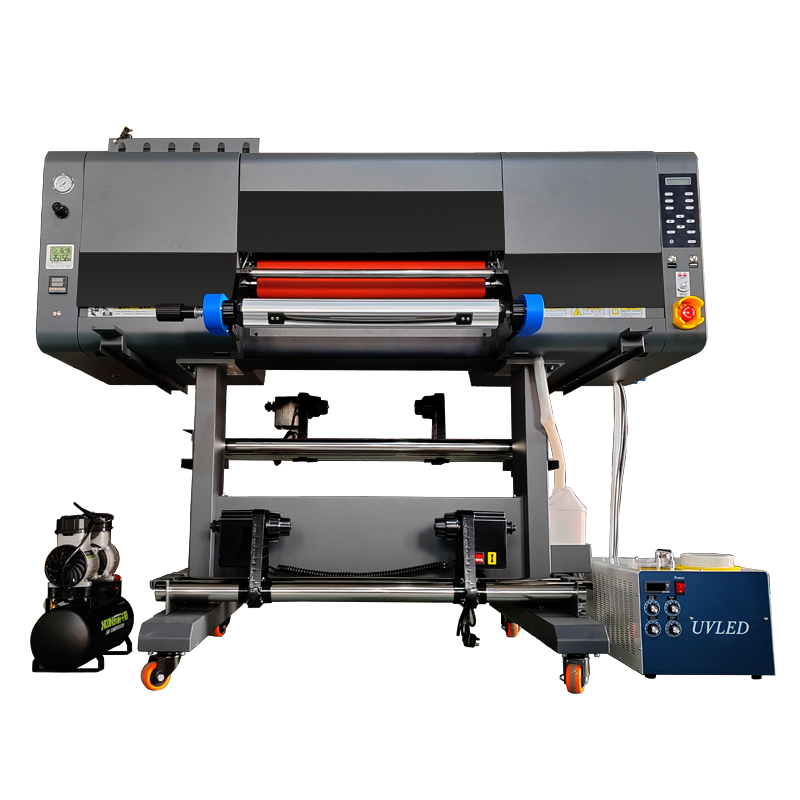
Acrylic and Rigid Plastics: Optimal Substrates for UV Flatbed Printer Adhesion and Curing
Surface Energy Management and Primer-Free Adhesion on Acrylic & Polycarbonate
The surface energy levels of acrylic and polycarbonate typically fall between around 38 to 46 dynes per centimeter, which is actually pretty good for getting strong UV ink adhesion without needing any primer at all. Because these materials work so well together, high performance UV flatbed printers can bond ink to clean surfaces with something like over ninety five percent efficiency. When manufacturers skip the pretreatment steps, they save time on their production lines but still get durable results. The printed materials stay scratch resistant too, often meeting or beating the standard 3H pencil test for hardness. This makes them great choices for things like busy storefront signs or those big display panels we see in modern buildings.
UV Curing Consistency Across Thicknesses (3–12 mm) in High-Performance UV Flatbed Printer Workflows
The latest generation of UV flatbed systems comes with either calibrated mercury vapor lamps or powerful LED arrays that can cure acrylic sheets right through their entire thickness, even when they're as thick as 12mm. These machines target specific wavelengths between 365 and 395 nanometers, which means the material gets fully polymerized from top to bottom without leaving any uncured spots or causing tiny cracks on the surface. When working with thinner materials around 3mm thick, these systems have been fine tuned so they actually use 22 percent less energy during operation. At the same time, they still manage to achieve over 90 percent cross linking density. This level of performance helps maintain colors for years and makes the finished products resistant to common solvents, cleaning agents, and regular wear and tear in industrial settings.
Metal Substrates: Aluminum, Stainless Steel, and Coated Metals for Durable UV Flatbed Printer Output
Pre-Treatment Protocols—Corona, Plasma, and Primer Selection for Reliable UV Flatbed Printer Adhesion
Metals—including aluminum, stainless steel, and coated alloys—pose adhesion challenges due to their non-porous, low-surface-energy nature. Effective bonding requires intentional surface engineering before printing. Three industry-standard pre-treatment methods are deployed based on material and application demands:
- Corona treatment, which uses electrical discharge to oxidize the surface and improve ink wetting;
- Plasma activation, employing ionized gas to micro-etch the substrate and create mechanical anchor points;
- Specialty primers, which chemically bridge metal surfaces and UV-curable inks where native adhesion is insufficient.
When it comes to abrasion resistance, UV printed metal beats solvent-based options by around 38% according to the Print Quality Consortium from 2023. But make no mistake about it - this edge only exists if the pre-treatment process is done right. Take aluminum for example. Without proper treatment, most samples fall under the 3B mark in those ASTM D3359 cross hatch tests. However, when we apply plasma treatment, these same samples regularly hit that top score of 5B. Now here's where things get interesting alloy specific validation just can’t be skipped. Brushed aluminum usually works fine with just corona treatment alone, but stainless steel tells a different story. Most manufacturers find they need either plasma treatment or some kind of epoxy primer for good results there. And before moving into full-scale production, don’t forget to run those final adhesion tests. Climate cycling, scratch testing, and regular tape adhesion checks are all part of the package. Skipping any of these steps could lead to big problems down the road.
Glass and Ceramics: Maintaining Optical Clarity and Long-Term Durability with UV Flatbed Printer Technology
Surface Activation Strategies—Plasma vs. Silane Coupling for Low-Energy Glass in UV Flatbed Printer Applications
Glass’s low surface energy and chemical inertness necessitate targeted activation to ensure durable UV ink adhesion without compromising optical clarity. Two proven approaches dominate high-end applications:
- Plasma treatment, which increases surface energy by 40–60 dynes/cm via controlled ion bombardment, creating microscopic texture for mechanical interlock while preserving >95% light transmission;
- Silane coupling, which forms covalent bonds between silanol groups on glass and functional groups in UV inks—delivering superior humidity and chemical resistance in demanding environments.
| Method | Processing Time | Bond Strength | Environmental Resistance |
|---|---|---|---|
| Plasma Treatment | < 2 minutes | High | Moderate |
| Silane Coupling | 10–15 minutes | Very High | Excellent |
Plasma excels for architectural glass ≥5 mm, delivering uniform edge-to-edge adhesion critical for large-format façades. Silane remains the preferred choice for laboratory, pharmaceutical, or food-processing settings where sustained exposure to moisture or aggressive cleaning agents is expected—both methods reliably prevent delamination while maintaining transparency and aesthetic integrity.
Composite and Engineered Hard Materials: PVC, Sintra, and Wood-Based Panels for UV Flatbed Printer Versatility
Moisture Control, Dimensional Stability, and Print-Ready Preparation for Wood and PVC in UV Flatbed Printer Environments
Managing moisture levels is really important when working with wood based panels, particularly MDF, if we want to avoid problems like warping or issues with ink not sticking properly during UV flatbed printing jobs. For best results, aim for around 45 to 55 percent humidity in the environment where printing takes place, while making sure the actual panel has between 8 and 12 percent moisture content prior to starting any printing work. This helps maintain stable dimensions and gets the ink to adhere properly. On the other hand, materials like PVC and Sintra don't absorb moisture so easily but tend to collect mold release oils and static dust during production processes. A quick clean with something like rubbing alcohol wipes away those pesky contaminants and allows for good bonding without needing primer first. Most materials will also show better results after some gentle sanding for wooden surfaces and checking that everything lies flat within about half a millimeter tolerance across each panel surface. This helps prevent annoying print flaws such as banding effects or uneven color distribution. When all these prep steps are done right, UV inks apply evenly onto these surfaces, creating long lasting, sharp detailed prints perfect for things like shop signs, indoor decorations, and display stands at exhibitions.
FAQs
What surface energy levels are optimal for UV ink adhesion on acrylic and polycarbonate?
The surface energy levels of acrylic and polycarbonate typically fall between 38 to 46 dynes per centimeter, which is sufficient for strong UV ink adhesion without a primer.
Why are pre-treatment protocols important for metal substrates in UV printing?
Metal substrates like aluminum and stainless steel have low surface energy, making adhesion challenging. Effective pre-treatment methods, such as corona, plasma, and primers, improve bonding by modifying the surface.
What is the impact of UV curing on acrylic sheets of different thicknesses?
UV flatbed systems target specific wavelengths to ensure full polymerization of acrylic sheets of varying thicknesses, maintaining consistent performance and reducing energy use for thinner materials.
How do plasma and silane treatments affect glass substrates?
Plasma treatment increases glass surface energy for better adhesion, while silane coupling creates covalent bonds that offer superior humidity and chemical resistance, crucial for different environmental demands.
Table of Contents
- Acrylic and Rigid Plastics: Optimal Substrates for UV Flatbed Printer Adhesion and Curing
- Metal Substrates: Aluminum, Stainless Steel, and Coated Metals for Durable UV Flatbed Printer Output
- Glass and Ceramics: Maintaining Optical Clarity and Long-Term Durability with UV Flatbed Printer Technology
- Composite and Engineered Hard Materials: PVC, Sintra, and Wood-Based Panels for UV Flatbed Printer Versatility
-
FAQs
- What surface energy levels are optimal for UV ink adhesion on acrylic and polycarbonate?
- Why are pre-treatment protocols important for metal substrates in UV printing?
- What is the impact of UV curing on acrylic sheets of different thicknesses?
- How do plasma and silane treatments affect glass substrates?