
 EN
EN
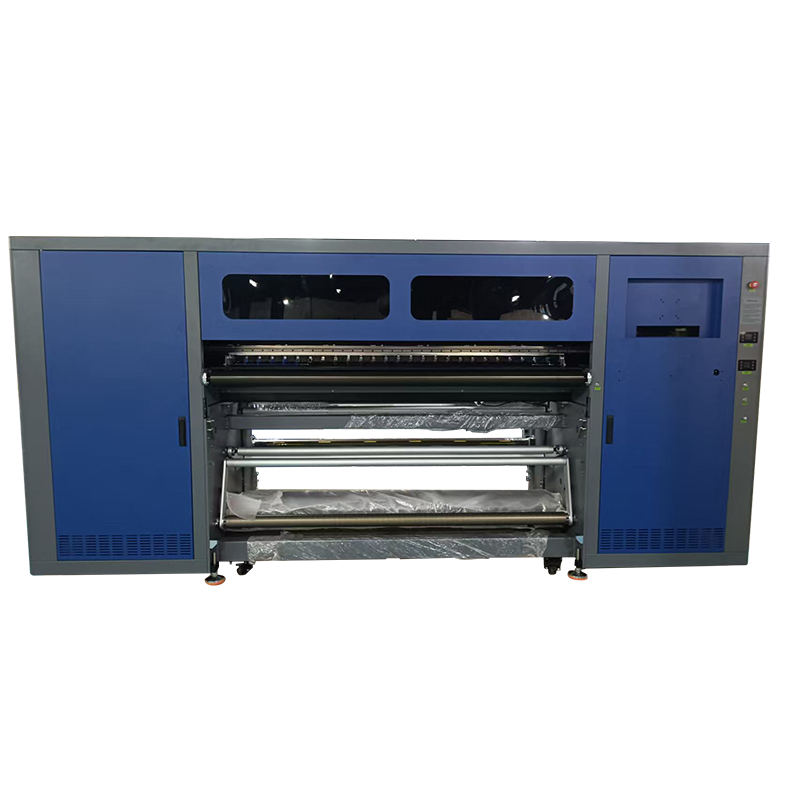
Digital Textile Printing: Inkjet and Dye-Sublimation Systems for Precision and Versatility
Inkjet textile printers: High-resolution output, low-waste operation, and compatibility with reactive, acid, and pigment inks
Today's inkjet systems can produce images with photo quality details at resolutions over 1200 dpi. The way these machines control ink droplets helps cut down on wasted material too. Some reports say they actually use about 40% less dye than older analog printing techniques did back in the day. What makes them really versatile is their compatibility with different types of inks. For example, reactive inks work well on natural fabrics such as cotton and linen materials. Acid based inks are good for synthetic textiles made from proteins like nylon and silk fabrics. And then there are pigment inks that handle almost anything from fabric blends to those tricky non woven materials. Because of how these systems are built, changing between different ink types happens quickly without needing any special hardware changes. This flexibility lets manufacturers switch production runs easily when working with all sorts of textile products.
Dye-sublimation printers: Ideal for polyester-based textiles—enabling permanent, vibrant, wash-fast color infusion
Dye sublimation printers work by heating solid dyes until they turn into gas through heat presses that run hotter than 200 degrees Celsius. When this happens, the gaseous dye actually gets absorbed deep into polyester fibers instead of just sitting on top. The result? Prints that stay vibrant even after dozens of industrial laundry cycles without any cracking or fading issues. These printers can produce colors covering around 90 percent of all shades found in the PANTONE Textile Color System, which is pretty impressive for most applications. What makes this technology stand out though is how it works with the fabric itself. Since the dye becomes part of the material rather than forming a separate layer, everything from feel to breathability stays intact. That's why so many manufacturers rely on dye sublimation when producing high quality sports apparel, flags, and other types of flexible signage where durability matters most.
Direct-to-Garment (DTG) and Direct-to-Film (DTF) Printers: Matching Equipment to Fabric, Volume, and Detail Requirements
DTG printers: Best for cotton-rich, low-to-mid volume apparel with photorealistic detail—requires pretreatment and moisture management
DTG printing works by injecting water based inks straight into cotton rich fabrics, which creates those amazing photo like gradients, sharp details, and all sorts of colors we want. Cotton needs special treatment before printing though, otherwise the ink won't stick properly, fade after washing, or look dull overall. Getting the fabric moisture right matters too because if it's wrong during printing, the ink might crack or not soak in well enough. When working with dark colored clothes, printers have to apply a white base layer first, which eats up more ink and takes extra time to dry. Most machines can handle between 30 to maybe 100 shirts each hour, but this depends heavily on how complicated the designs are and whether there's automated equipment involved. The 2025 Digital Textile Report actually found something interesting about small batches too: when someone wants fewer than 50 items printed, DTG tends to get things done around 45 percent quicker compared to traditional screen printing methods.
DTF printers: Solves dark/non-cotton limitations via PET film transfer—expanding textile printing flexibility without substrate pretreatment
The Direct-to-Film (DTF) method gets around those pesky material limitations by printing first on special PET film with CMYK plus white inks, then moving the design over to almost any fabric type like polyester, nylon, leather, even dark cotton mixes, all in one step with just a regular heat press. There's no need for special treatments on the fabric beforehand, which means we're not stuck with cotton anymore like with DTG printing. This cuts down on both labor work and chemicals needed for processing. When it comes to getting good coverage on black fabrics, DTF manages about 95% opacity without needing extra layers underneath. And if things are done right during curing, these prints can last through at least fifty washes before fading starts to show. Each transfer takes roughly between fifteen to thirty seconds per piece of clothing, making it pretty efficient for running batches. Speaking of efficiency, companies have found that for orders mixing different fabrics together, DTF actually saves around 28% in operating expenses compared to traditional DTG methods according to what was published in last year's Textile Tech Review.
Key Selection Criteria for Textile Printing Equipment: Throughput, Substrate Compatibility, and Operational Cost
Selecting optimal textile printing equipment hinges on three interdependent criteria: throughput capacity, substrate adaptability, and total cost of ownership.
Throughput determines scalability. Rotary screen printing remains unmatched for uniform, high-volume runs—exceeding 1,000 units/hour—while DTG systems operate efficiently at 30–100 shirts/hour for small-batch, detail-intensive work. Inkjet roll-to-roll and dye-sublimation systems scale between these extremes, balancing speed and quality for mid-volume fashion and décor applications.
What materials work best determines where these technologies can actually be used. DTF printing stands out for being really versatile it works on things like polyester fabrics, nylon stuff, canvas materials, even leather surfaces and dark cotton without needing any special preparation first. DTG printing? Well that's pretty much just for cotton fabrics that have been pre-treated or mixed with lots of cotton content. Then there's dye sublimation which only works well on fabrics that are at least 85 percent polyester, but when it does work, the colors stay vibrant forever and the fabric feels great after printing. Inkjet systems come with multiple ink options that help cover both natural fibers and synthetic ones too as long as the right kind of ink gets paired properly with whatever material type we're dealing with.
Operational cost encompasses capital investment, consumables, labor, energy, and maintenance:
- Entry-level DTG starts around $10,000; fully automated rotary or hybrid inkjet systems exceed $500,000
- Specialty inks (e.g., reactive, sublimation, or high-opacity white) influence gross margins by 15–40%
- Labor intensity remains highest for screen printing—requiring skilled technicians for screen preparation, registration, and cleanup—whereas digital platforms reduce manual intervention by up to 70%
- Energy use varies significantly: industrial dye-sublimation dryers draw 30–50 kW/hour, while modern DTG/DTF systems consume under 10 kW/hour
- Printhead replacement—critical for inkjet reliability—costs $2,000–$5,000 annually, depending on usage and model
Prioritizing these factors in alignment with your core applications—fashion sampling, technical textiles, promotional goods, or soft signage—ensures equipment selection supports both immediate output needs and long-term ROI.
FAQ
What is digital textile printing?
Digital textile printing refers to dyeing or applying color to textiles using inkjet or dye-sublimation techniques for precision and versatility, producing high-resolution and vibrant colors.
Which types of inks are compatible with inkjet textile printers?
Inkjet textile printers can work with reactive, acid, and pigment inks, making them compatible with various fabric types, including cotton, linen, silk, and synthetic blends.
How does dye-sublimation printing work?
Dye-sublimation printing involves heating solid dyes to a gaseous state and infusing them into polyester fibers, ensuring permanent and vibrant colors that withstand numerous washes.
What are the key advantages of Direct-to-Film (DTF) printing?
DTF printing allows transferring designs onto various fabric types without substrate pretreatment, offering a versatile and efficient solution for mixed fabric orders.
Table of Contents
- Digital Textile Printing: Inkjet and Dye-Sublimation Systems for Precision and Versatility
- Direct-to-Garment (DTG) and Direct-to-Film (DTF) Printers: Matching Equipment to Fabric, Volume, and Detail Requirements
- Key Selection Criteria for Textile Printing Equipment: Throughput, Substrate Compatibility, and Operational Cost
- FAQ