
 EN
EN
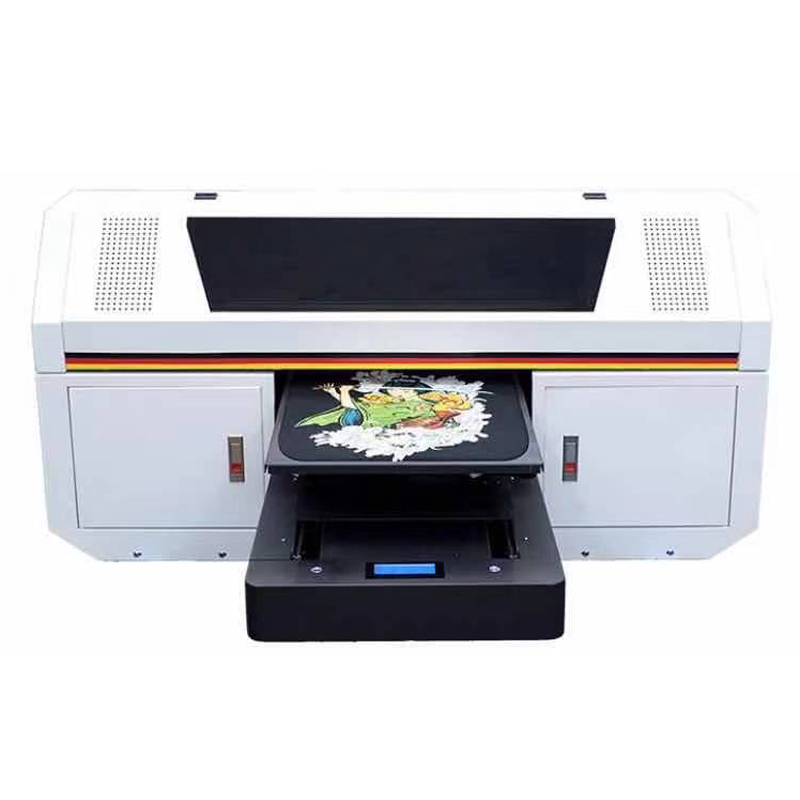
Print Quality: Resolution, Color Accuracy, and Detail Fidelity for Custom Tshirt Printing
DTG vs. DTF: How Technology Choice Impacts Photorealism and Fine-Line Clarity
DTG printing works really well for creating photo-like images with smooth color transitions, which makes it great for detailed pictures on pure cotton shirts. The water based inks soak into the fabric itself, so the printed design feels almost like part of the garment rather than something slapped on top. On the flip side, DTF uses a different approach altogether. It applies polymer ink through an adhesive film layer first, giving much better coverage on synthetic fabrics and darker materials. This method produces brighter colors and clearer lines for things like company logos or tiny text details. Since the ink sits on the film before being transferred to the fabric, there's no risk of colors bleeding into each other during printing, keeping those sharp edges intact even with intricate designs. DTG does handle gradual color changes more smoothly, but DTF can work on almost any fabric type without needing special pre treatments. For businesses looking to print vibrant graphics with precise details across various fabric compositions, DTF tends to come out ahead most of the time.
Why 600–1200 DPI Resolution Is Critical for Small-Batch Brand Integrity
Fabric Compatibility: Matching Your Tshirt Printer to Cotton, Blends, and Specialty Materials
Cotton, Polyester, and Blends: Pretreatment Needs and Ink Adhesion Realities
Cotton takes in water based inks pretty well but needs some kind of pretreatment first if we want to stop the colors from bleeding out and keep them looking vibrant. This becomes really important when working on photos or anything with fine details. Polyester is different though because it doesn't take regular inks so easily. We need special stuff like dye sublimation or pigment based inks instead. If these aren't cured properly, the dyes can actually move around and mess up the colors completely. Cotton polyester blends, especially those 50/50 mixes, are tricky business. The cotton part lets the ink soak in while the polyester adds strength and makes clothes less likely to wrinkle. When people skip proper pretreatment on these blends, the colors tend to fade about 40% faster after only 15 regular washes at home. Water based inks work okay on blends but just don't give the same rich saturation as pure cotton does. Plastisol inks are better for coverage and lasting power through washing cycles, as long as they get fully cured all over evenly.
Beyond Basics: Handling Fleece, Performance Knits, and High-Stretch Fabrics
The thick, looped texture of fleece means printers need to deposit more ink and spend extra time curing it properly (around 45 to 60 seconds at temperatures between 320 and 340 degrees Fahrenheit). Otherwise, the prints just won't penetrate deeply enough while keeping that soft feel we all want from fleece garments. Prints that aren't fully cured tend to start peeling right at the seams after only a few wears. Many moisture wicking fabrics come with silicone or fluorocarbon coatings that basically push away regular inks. To get good results on these materials, most shops find they need special adhesion promoters or do some kind of pre-washing treatment first. When dealing with stretchy fabrics that have about 15 to 30 percent elastane or spandex content, flexible hybrid inks work best because they stay elastic even after dozens of stretch cycles without cracking. Most experienced printers will tell you that going slow is better here. Start with a quick 10 second pass at around 300 degrees Fahrenheit then let things cool down gradually. This approach prevents those nasty thermal shocks that can damage polymers and helps keep both the printed design and the fabric itself performing well over time.
Production Scalability: Throughput, Automation, and Workflow Integration for Growing Businesses
When it comes to scaling up custom apparel production, what companies really need are printers built for flexibility rather than just raw speed. The best high-volume machines can crank out anywhere from 60 to over 100 prints an hour thanks to fast drying inks, dual printheads working in tandem, and specially designed drying areas that keep things moving smoothly. Many modern systems come packed with automation features these days too. Think automatic pallet loaders that save time, regular cleaning routines set on timers, and smart job queues that prioritize tasks efficiently. These automated functions cut down on hands-on work by around 70 percent, which means employees can focus more on creative design work, managing orders, and actually talking to customers. When printers connect seamlessly with design software like Adobe Creative Cloud, along with order tracking systems and inventory records, businesses get real time visibility into their production pipeline. This kind of integration makes scaling much easier since companies can add new printing units or switch between different product lines without throwing everything else into chaos or compromising on quality standards across batches.
Print Durability and Wash Resistance: Validating Long-Term Performance of Tshirt Printer Outputs
Real-World Wash Testing: Water-Based, Pigment, and Hybrid Inks Compared Across 25+ Cycles
The real test of how clothes hold up over time depends on whether the ink stays put long term, not just how good they look when first worn. Water based inks tend to soak into natural fabrics pretty deep, but they break down quicker when subjected to regular wear and heat exposure. Pigment inks stay more on top of the fabric surface though, which means colors stay brighter for longer periods and resist rubbing off better. There's also something called hybrid formulas that try to get the best of both worlds here, sticking well to fabrics while still keeping those bright colors intact. Some actual lab tests have found that Direct to Film or DTF printing actually forms stronger connections because of that special sticky film layer it uses. After going through about 25 full machine washes in industrial settings, these DTF printed items perform noticeably better than traditional DTG methods. What did those tests actually find?
- Water-based prints lose color integrity 40% faster than pigment-based equivalents
- Hybrid inks retain 95% of original color fidelity after 50 washes
- Cotton-polyester blends show 30% less cracking than 100% synthetic fabrics under identical stress conditions
Crucially, curing quality outweighs ink chemistry: insufficient heat reduces wash resistance by up to 60%, regardless of formulation. Selecting a t-shirt printer with precise, repeatable temperature control—and verifying cure parameters per substrate—is foundational to ensuring lasting print performance and protecting brand reputation through garment longevity.
FAQs
What are the differences between DTG and DTF printing methods?
DTG printing uses water-based inks absorbed by the fabric, perfect for smooth transitions in images on cotton. DTF applies ink through an adhesive film, which is better for synthetic fabrics and darker materials offering brighter colors and precise details.
Why is 600-1200 DPI resolution important in t-shirt printing?
High DPI ensures detailed images with smooth color transitions, crucial for maintaining brand integrity even on small-batch prints.
How does fabric type affect t-shirt printing?
Cotton may require pretreatment, while polyester needs special inks like dye-sublimation. Blends need proper pretreatment to prevent fast color fading, while intricating prints need correct curing for durability.
How can scalability be achieved in custom apparel production?
Scalability is achieved with high-volume machines offering automated features such as pallet loaders, drying areas, and design software integration.
What's the importance of washing tests for print durability?
Washing tests validate the long-term performance of different inks. Water-based inks may break down quicker, while hybrid and pigment inks offer longer color retention.
Table of Contents
- Print Quality: Resolution, Color Accuracy, and Detail Fidelity for Custom Tshirt Printing
- Fabric Compatibility: Matching Your Tshirt Printer to Cotton, Blends, and Specialty Materials
- Production Scalability: Throughput, Automation, and Workflow Integration for Growing Businesses
- Print Durability and Wash Resistance: Validating Long-Term Performance of Tshirt Printer Outputs
- FAQs