
 EN
EN
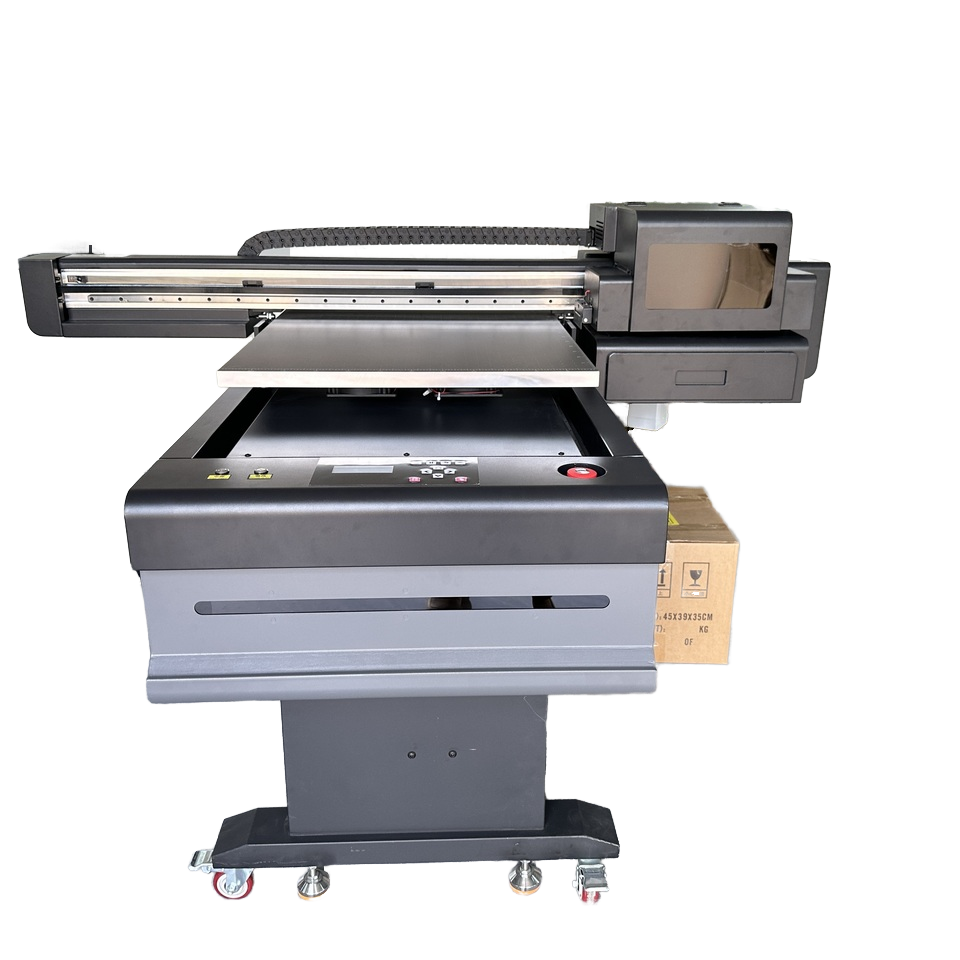
UV Printer Durability: Engineered for Extreme Outdoor Conditions
How UV-Cured Inks Form Weatherproof Polymer Layers
UV printing relies on special inks that harden almost immediately when exposed to ultraviolet light. What happens next is pretty cool chemistry stuff - basically, these inks undergo this reaction where they form a thick, interconnected polymer layer. When this happens, the colors actually stick right onto materials like metal panels, plastic sheets, or even those wraps people put on cars. The end result isn't just something slapped on top; instead, the printed image becomes part of the material itself. That makes a huge difference for durability. Moisture can't really get through, sunlight doesn't fade things as fast, and extreme temperatures won't cause problems either. Traditional solvent based inks just don't hold up against all these factors. And let's face it, nobody wants their prints peeling off or changing colors over time. Since the ink integrates so well with whatever surface it's printed on, issues like flaking, breaking apart, or losing vibrancy become much less common.
Real-World Longevity: ASTM G154 & ISO 11341 Test Results on Fade, Scratch, and Water Resistance
Tests that speed up weathering processes show just how well UV printing holds up against actual outdoor conditions. When looking at standards like ASTM G154 for fluorescent UV exposure and ISO 11341 for xenon arc simulation, quality UV printed materials keep around 90% of their original colors even after about five to seven years worth of simulated sun beating down on them. That's way better than what we see from solvent based prints, which tend to lose more than 30% of their color intensity within just two or three years under similar conditions. And it's not just about color retention either mechanical tests back this up too, showing these prints can withstand regular wear and tear much longer than traditional alternatives.
| Performance Metric | UV Prints | Solvent Prints |
|---|---|---|
| Fade Resistance | >90% after 5-7 years | <70% after 2-3 years |
| Abrasion Resistance | 10,000+ rub cycles | 3,000-5,000 rub cycles |
| Water Resistance | Zero blistering/swelling | Frequent substrate warping |
These results reflect consistent performance across harsh conditions—including salt spray, freeze-thaw cycling, and industrial pollutants—without requiring protective laminates. UV-cured outputs extend display lifespans by 200–300% compared to traditional methods, reducing replacement frequency and long-term maintenance costs.
UV Printer Versatility Across High-Impact Outdoor Applications
Adhesion & Performance on Challenging Substrates: Aluminum Composites, Polycarbonate, and Vehicle Wraps
UV printing sticks really well to those tricky surfaces that don't absorb ink easily, including ones that react to heat changes or have texture. This matters a lot when stuff needs to last outside. When applied to materials commonly found in transportation graphics like aluminum composite panels, polycarbonate sheets, and cast vinyl, the quick curing under UV light actually forms bonds at the molecular level. These bonds handle temperature swings between minus 20 degrees Celsius all the way up to 60 without needing any special preparation beforehand or aftercare treatments later. What makes this particularly useful for wrapping vehicles is how the printed material's polymer structure stays intact around edges and can bend without breaking while driving at high speeds. Drivers rarely see their wraps coming loose or peeling off complicated body shapes thanks to this property.
Scalable Impact: UV-Printed Billboards, Transit Ads, and Light Boxes
UV tech works just as well on tiny signs as it does on huge formats like those massive 48 sheet billboards we see everywhere these days plus those fancy backlit displays at bus stops. What makes UV so great? Well, regular solvent inks need time to dry between printing passes and often end up smudged or misaligned layers. But UV inks cover everything in one go and hit that perfect Pantone match right away. For stuff like glowing light boxes or those big transit ads people pass every day, getting the colors exactly right matters a lot for brand recognition. Take a look around town sometime – actual installations show how durable these prints are. National drink companies have been running outdoor campaigns without lamination for 18 to 24 months straight. These prints survive all sorts of punishment too, whether it's salty air near the coast, dirt from city streets, or constant sun exposure.
UV Printer vs. Solvent Printing: Total Cost of Ownership and Sustainability Advantages
Eliminating Laminates, Reducing VOCs, and Accelerating Turnaround – Why 68% of Premium Projects Switched to UV
UV printing actually saves money over time while helping companies meet their green targets too. The process creates surfaces that last longer without needing any kind of laminating layer on top. Getting rid of that extra step means saving around 30% on materials and labor costs alone. What makes UV inks stand out is how clean they are compared to traditional solvent-based options. Most people don't realize this, but regular solvent inks give off harmful fumes when they dry, which isn't good for workers or the environment. With UV printing, there's almost nothing coming off those inks at all. Plus, the fact that prints cure instantly cuts down production time by about half. This lets businesses finish jobs the same day and get them installed quickly something that matters a lot for outdoor projects where timing is everything. According to recent market research, nearly seven out of ten upscale outdoor advertising campaigns these days specify UV printed materials because of all these advantages.
Strategic Brand Value: How UV Printers Support Consistent, High-Fidelity Outdoor Messaging
Outdoor signage becomes much more than just decoration when we use UV printing technology. The same look stays consistent no matter what material gets printed on - think aluminum sheets, clear acrylic panels, those stretchy mesh banners, even wrapping around vehicles. These special UV inks hold their color really well against all kinds of weather conditions. According to industry standards (ISO 11341), most signs won't fade noticeably for at least five years outside. That means businesses don't have to keep replacing their signs so often, which saves money and keeps messages visible day and night without interruption. Retail chains actually see about 37 percent better customer interaction rates with these UV printed materials compared to regular laminated ones. People just notice them more because colors stay vibrant longer in busy city settings where everything competes for attention. Beyond lasting longer though, there's something else going on here too. When brands maintain the same appearance everywhere customers encounter them, it builds recognition and makes the company seem more professional overall.
FAQ
1. What is UV printing?
UV printing is a printing process that uses UV light to cure specially formulated inks instantly, creating durable and vibrant prints suitable for outdoor use.
2. How do UV-cured inks enhance durability?
UV-cured inks form a polymer layer that integrates with the material, providing resistance to moisture, sunlight, and extreme temperatures.
3. What are the advantages of UV printing compared to solvent printing?
UV printing offers longer-lasting prints, faster drying times, reduced VOC emissions, and eliminates the need for protective laminates.
4. What types of materials can be printed with UV printers?
UV printers can print on a wide range of materials including metal panels, plastic sheets, aluminum composites, polycarbonate, and vehicle wraps.
5. How does UV printing contribute to sustainability?
UV printing reduces material and labor costs, diminishes harmful emissions, and supports quicker project completions, contributing to more environmentally friendly practices.
Table of Contents
- UV Printer Durability: Engineered for Extreme Outdoor Conditions
- UV Printer Versatility Across High-Impact Outdoor Applications
- UV Printer vs. Solvent Printing: Total Cost of Ownership and Sustainability Advantages
- Strategic Brand Value: How UV Printers Support Consistent, High-Fidelity Outdoor Messaging