
 EN
EN
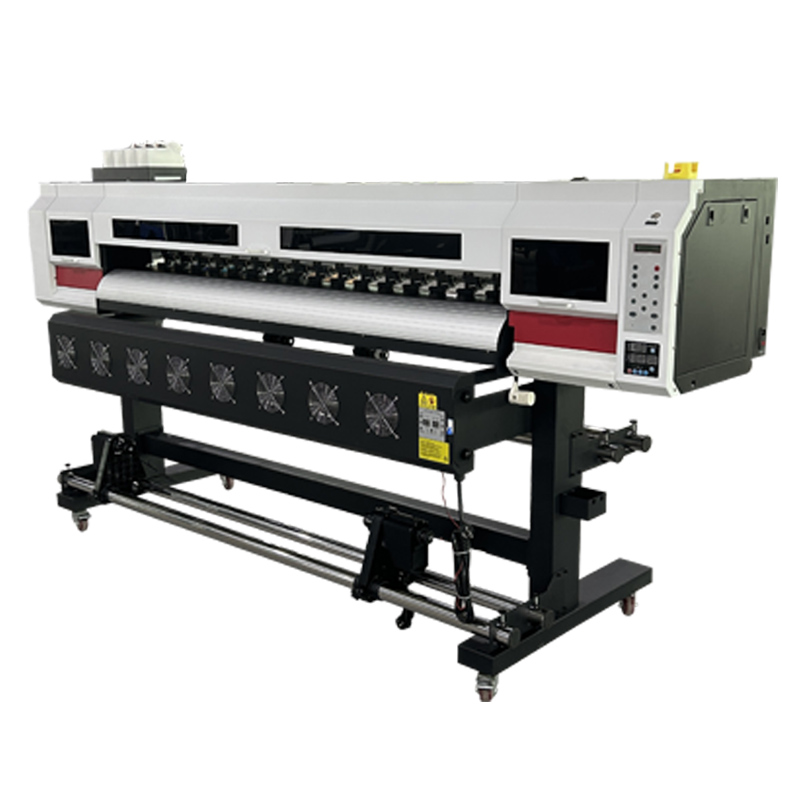
How Sublimation Printing Works: The Science Behind Fabric Compatibility
The sublimation process: From solid ink to gas-phase dye diffusion
Sublimation printers work by heating special dyes between around 350 and 400 degrees Fahrenheit while applying pressure. This process turns solid dye into gas without going through a liquid stage first. The gas then works its way into polyester fabrics at a microscopic level, getting absorbed into the material rather than sitting on the surface. When things cool down, the dye becomes solid again right inside those fibers, forming a lasting connection that stands up to washing after washing. Compared to methods like screen printing or direct garment printing, sublimation creates images that don't crack, flake off, or lose color over time. For this technique to work properly, there are really only two must-have components: proper dye-sublimation inks and fabrics containing enough polyester. The heat basically acts as a temporary door opener for the fabric's internal structure, letting the dye sink deep in before everything seals back up when cooled.
Why molecular structure matters: Polyester’s crystalline polymer chains vs. natural fiber limitations
The synthetic nature of polyester creates those perfect little pockets where sublimated dye molecules can settle in and stay put, forming strong bonds that won't wash away easily or wear off from regular use. Natural fibers such as cotton are different altogether though. Cotton has this amorphous cellulose structure that just doesn't play well with sublimation dyes at all. Most of the time, cotton absorbs very little dye to begin with and what does get absorbed tends to come right back out when washed. According to various textile tests, pure polyester keeps around 98% of its original color brightness even after being through 50 industrial wash cycles. Meanwhile, cotton fabrics start losing their colors pretty quickly and the fading is usually permanent once it starts happening. Because of these basic differences in how materials interact with dyes, polyester isn't just better for sublimation printing - it's actually necessary if someone wants professional quality results that last.
100% Polyester Fabrics: The Optimal Choice for Professional Sublimation Printers
Performance benchmarks: Color vibrancy, wash-fastness, and long-term durability
Pure polyester is still king when it comes to sublimation printing because of how well it works at the molecular level. When heated between around 385 to 400 degrees Fahrenheit, the polymer chains actually open up enough to soak in those gas-based dyes, creating strong bonds that stick around. The numbers back this up too industry tests typically show about 95 to 98 percent of the dye stays put on pure polyester, way better than what happens with 40 percent polyester blends that barely hit 50 to 60 percent retention. Most printed designs can handle over fifty industrial washes without showing cracks, fading colors, or moving around, something hybrid fabrics just cant match since their natural fibers tend to let dye escape over time. Plus, the material holds up against sunlight pretty well too, keeping colors looking fresh for roughly two to three years even on things like outdoor banners and signs where exposure is constant.
Common high-yield polyester substrates (supplex, neoprene, polyester knits & wovens)
Manufacturers leverage specialized polyester variants to meet performance demands across markets:
- Supplex®: A nylon-infused polyester engineered for moisture-wicking athletic wear, delivering photo-grade print clarity and durability
- Neoprene: Closed-cell foam laminated with a polyester face layer—ideal for swimwear, yoga mats, and accessories requiring bold, flexible prints
- Polyester knits: Lightweight, 4-way stretch fabrics (150–200 gsm) optimized for seamless leggings, performance tees, and activewear
-
Polyester wovens: Dense, non-stretch textiles (180–300 gsm) built for high-abrasion use in flags, backpacks, and trade show graphics
All achieve >95% color gamut coverage on modern sublimation printers, making them foundational for sportswear, technical apparel, and promotional products.
Polyester Blends: Balancing Stretch, Comfort, and Sublimation Quality
Polyester-spandex blends (e.g., 92/8, 95/5) for athletic wear and fit-driven applications
When it comes to fabric blends, polyester-spandex combinations really hit the sweet spot between color holding power from polyester and that amazing stretch we get from spandex. Most manufacturers shoot for around 92% polyester mixed with 8% spandex or something close to that ratio. What this does is keep colors looking bright after many washes while still allowing athletes to move freely in their gear whether they're wearing compression shorts, leggings or workout shirts. The magic happens because spandex adds stretch without messing up how dyes bond to the fabric during printing processes. Even after lots of laundry cycles and intense workouts, these fabrics hold onto prints much better than other materials out there. That's why so many sportswear brands rely on these blends when designing clothes that need to look good and perform well at the same time.
Polyester-cotton blends: When and how they work — and why >65% polyester is critical
Sublimation works on polyester-cotton blends but there's a catch. The fabric needs at least 65% polyester content for good results. When we hit that magic number, the material holds onto dyes pretty well too around 75 to 85% color retention after multiple washes while staying stable even under high heat pressing conditions. Drop below 65% and things get tricky because cotton starts taking over the surface area. What happens then? Uneven coloring, colors fading faster than expected, and those old fashioned faded looks nobody wants. Blends close to 50/50 ratios are particularly problematic since dyes tend to move around between different fibers creating all sorts of inconsistencies. These mixed materials work best for everyday items such as comfortable t-shirts or breathable shopping bags where people care more about feeling good than having museum quality prints. Before starting any production run though, double check what percentage of polyester actually goes into the fabric mix. Getting this wrong remains the top reason why sublimation fails completely on blended textiles.
FAQ
What is sublimation printing?
Sublimation printing is a technique where special dyes are heated to turn them into a gas, which then penetrates fabric fibers at a microscopic level, resulting in vibrant, long-lasting prints.
Why can't sublimation be done on 100% cotton fabrics?
Cotton's structure doesn't bond well with sublimation dyes, leading to poor dye retention and rapid fading after washes.
Why is polyester preferred for sublimation printing?
Polyester's synthetic crystalline structure absorbs dyes at a molecular level, leading to vivid prints and superior durability.
What is the recommended polyester content for blends used in sublimation?
For good sublimation results, a fabric blend should contain at least 65% polyester content.