
 EN
EN
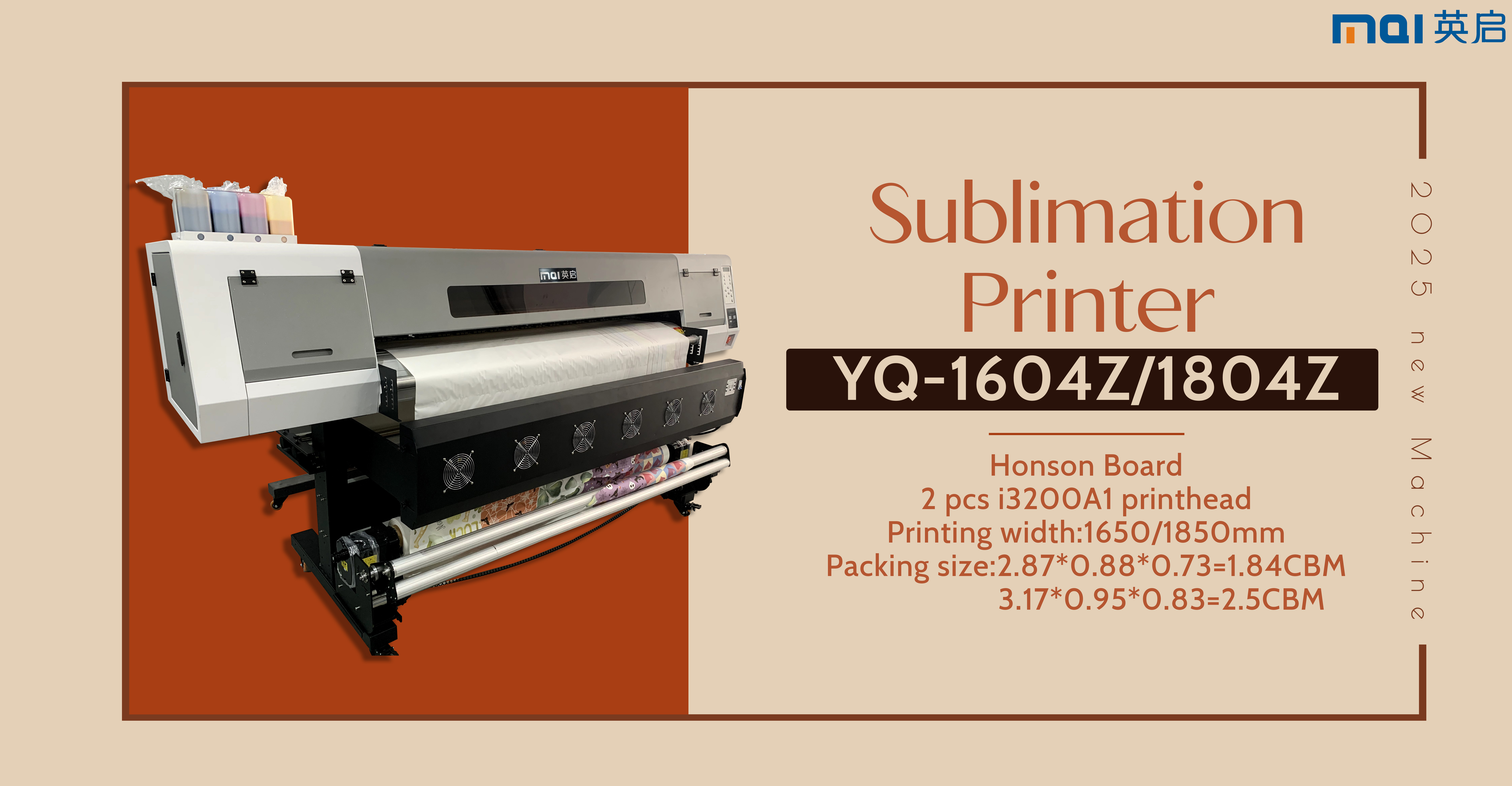
Core Safety & Regulatory Certifications for Bulk Sublimation Printers
CE, UL, and IEC 62368-1: Non-Negotiable Electrical and Operational Safety Marks
When looking at industrial sublimation printers, electrical safety certifications should always come first. The CE mark basically means the printer meets EU requirements for electromagnetic compatibility and works safely with low voltage systems, which matters a lot if these machines will be used around the world. UL certification follows IEC 62368-1 now (this replaced the older IEC 60950-1 standard), so it shows the printer has gone through tough tests in North America regarding heat control, proper insulation, and protection against faults in equipment that runs constantly. This becomes really important for large scale printers that operate over 18 hours each day because they generate a lot of heat that can lead to dangerous arcs and insulation problems over time. According to NFPA data from 2023, places without properly certified equipment experience electrical issues nearly half again as often. What these standards actually require includes several layers of fire protection, those ground fault circuit interrupters we all know about, plus automatic systems that shut down the printer when temperatures get too hot.
OSHA Compliance Implications for High-Capacity Sublimation Printer Installations
The OSHA regulations found in 29 CFR 1910 Subpart S are what really control how those big sublimation printers get installed and run day to day. For machines that draw over 5 kW power, which is pretty much standard stuff in textile manufacturing these days, there needs to be special circuit breakers along with proper arc flash labels according to NFPA 70E standards. Safety comes first when it comes to workers, so there should always be at least 36 inches of space cleared out around all moving parts and where people need to reach for servicing. We see plenty of problems showing up on inspection reports though. A lot of facilities forget to guard against moving parts during repairs, mess up their lockout/tagout procedures, or just don't have enough air circulation to handle the ozone coming off the printers. These issues account for about one third of all citations handed out to printing operations according to BLS data from last year. Getting everything right doesn't just save money either. Companies that follow all the rules tend to spend roughly seven hundred forty thousand dollars less each year on accident response costs based on Ponemon Institute research. Plus, they keep their production lines running smoothly without unexpected shutdowns.
Quality & Environmental Management Certifications That Signal Manufacturer Trustworthiness
ISO 9001 (Quality) and ISO 14001 (Environmental): What They Reveal About Sublimation Printer Consistency and Lifecycle Responsibility
The ISO 9001 and ISO 14001 certifications act as real world indicators of how mature a manufacturing operation truly is. When a company gets ISO 9001 certification, it means they've put together proper quality management practices covering everything from controlling production processes to preventing defects and constantly improving their methods. This helps maintain consistent colors, reliable mechanical performance, and dependable results even when running thousands of prints at once. The ISO 14001 standard takes things one step beyond basic quality control. It forces companies to document their environmental management approach, keeping tabs on energy usage, watching those waste streams closely, setting targets for better resource utilization, and making sure dangerous stuff like old ink solvents get handled properly. What we find in practice is that manufacturers certified under ISO 14001 tend to install solvent recovery systems and really work on cutting down power consumption during long production runs. These efforts not only help them stay compliant with regulations but also save money over time for customers who buy in large quantities.
Chemical & Environmental Compliance: VOCs, Ink Safety, and Regulatory Enforcement for Bulk Operations
EPA Method 24, SNAP Program, and EU REACH: How Sublimation Ink Formulations Impact Printer Certification Validity
The chemistry of sublimation inks plays a major role in whether a printer maintains its certification status. According to EPA Method 24, there are now standard tests for volatile organic compounds (VOCs). Printers using inks that don't meet these standards face serious penalties including daily fines of up to $37,500 and possible shutdowns. The SNAP program also imposes restrictions on substances that damage ozone layers, pushing manufacturers toward safer options for both ink carriers and cleaning solutions. On the European front, REACH regulations ban dangerous dye carriers like specific benzidines while demanding complete safety data sheets for every component used. What many overlook is that even perfectly compliant printing hardware won't pass certification if the approved ink system doesn't meet all these chemical specs. Industry data shows something startling too: around two thirds of failed certifications actually come down to problems tracking and documenting VOC levels across different ink batches.
| Regulation | Focus | Consequence of Non-Compliance |
|---|---|---|
| EPA Method 24 | VOC content measurement | Fines + operational suspension |
| SNAP Program | Banned chemical alternatives | Product recall + certification loss |
| EU REACH | Hazardous substance control | Market access denial in Europe |
Third-party validation remains essential—bulk procurement decisions must account for harmonized ink-printer compliance, not hardware alone.
Sustainability Certifications That Strengthen B2B Procurement Justification
Bluesign®, OEKO-TEX® Standard 100, and GOTS: Practical Relevance for Integrated Sublimation Printer—Ink Systems
Industrial buyers looking at sustainability aren't just checking boxes for ESG goals these days—they're actually seeing real financial benefits from proper certifications. Take Bluesign® for instance. This certification makes sure chemicals are handled responsibly throughout production. Their system keeps dangerous substances out of ink formulas that could damage printers or release bad fumes when heated during printing processes. Then there's OEKO-TEX® Standard 100 which tests finished products against global safety standards. This matters a lot for things people wear or use daily like clothes and bedding materials. The Global Organic Textile Standard (GOTS) goes even further by tracking where organic fibers come from and what happens to waste and energy used in printing operations. When companies get all three certifications together, they automatically comply with EU REACH and EPA regulations while cutting down on expensive chemical disposal costs—Bluesign® certified plants see around 18% savings here. And let's face it, most B2B customers now want proof, not promises. About 8 out of 10 prioritize verified sustainability credentials over vague green claims. So printer systems that carry Bluesign®, OEKO-TEX®, and GOTS aren't just eco-friendly—they become actual selling points in procurement decisions.
FAQ
What are the key safety certifications for sublimation printers?
The key safety certifications for sublimation printers include CE, UL, and IEC 62368-1. These certifications ensure electrical safety, electromagnetic compatibility, and protection against equipment faults.
How does OSHA compliance affect sublimation printer installations?
OSHA compliance affects sublimation printer installations through regulations that require circuit breakers, arc flash labels, and sufficient space around moving parts to ensure worker safety.
Why are ISO 9001 and ISO 14001 certifications important for sublimation printers?
ISO 9001 certification indicates quality management practices that ensure consistent performance, while ISO 14001 certification shows a commitment to environmental management and sustainability.
What role does ink formulation play in printer certification?
Ink formulation is crucial for printer certification as it impacts compliance with EPA Method 24, SNAP Program, and EU REACH regulations, which regulate VOC levels and hazardous substances.
Why do B2B customers prioritize sustainability certifications?
B2B customers prioritize sustainability certifications like Bluesign®, OEKO-TEX® Standard 100, and GOTS because they offer proof of eco-friendly practices, which can influence procurement decisions.
Table of Contents
- Core Safety & Regulatory Certifications for Bulk Sublimation Printers
- Quality & Environmental Management Certifications That Signal Manufacturer Trustworthiness
- Chemical & Environmental Compliance: VOCs, Ink Safety, and Regulatory Enforcement for Bulk Operations
-
Sustainability Certifications That Strengthen B2B Procurement Justification
- Bluesign®, OEKO-TEX® Standard 100, and GOTS: Practical Relevance for Integrated Sublimation Printer—Ink Systems
- FAQ
- What are the key safety certifications for sublimation printers?
- How does OSHA compliance affect sublimation printer installations?
- Why are ISO 9001 and ISO 14001 certifications important for sublimation printers?
- What role does ink formulation play in printer certification?
- Why do B2B customers prioritize sustainability certifications?