
 EN
EN
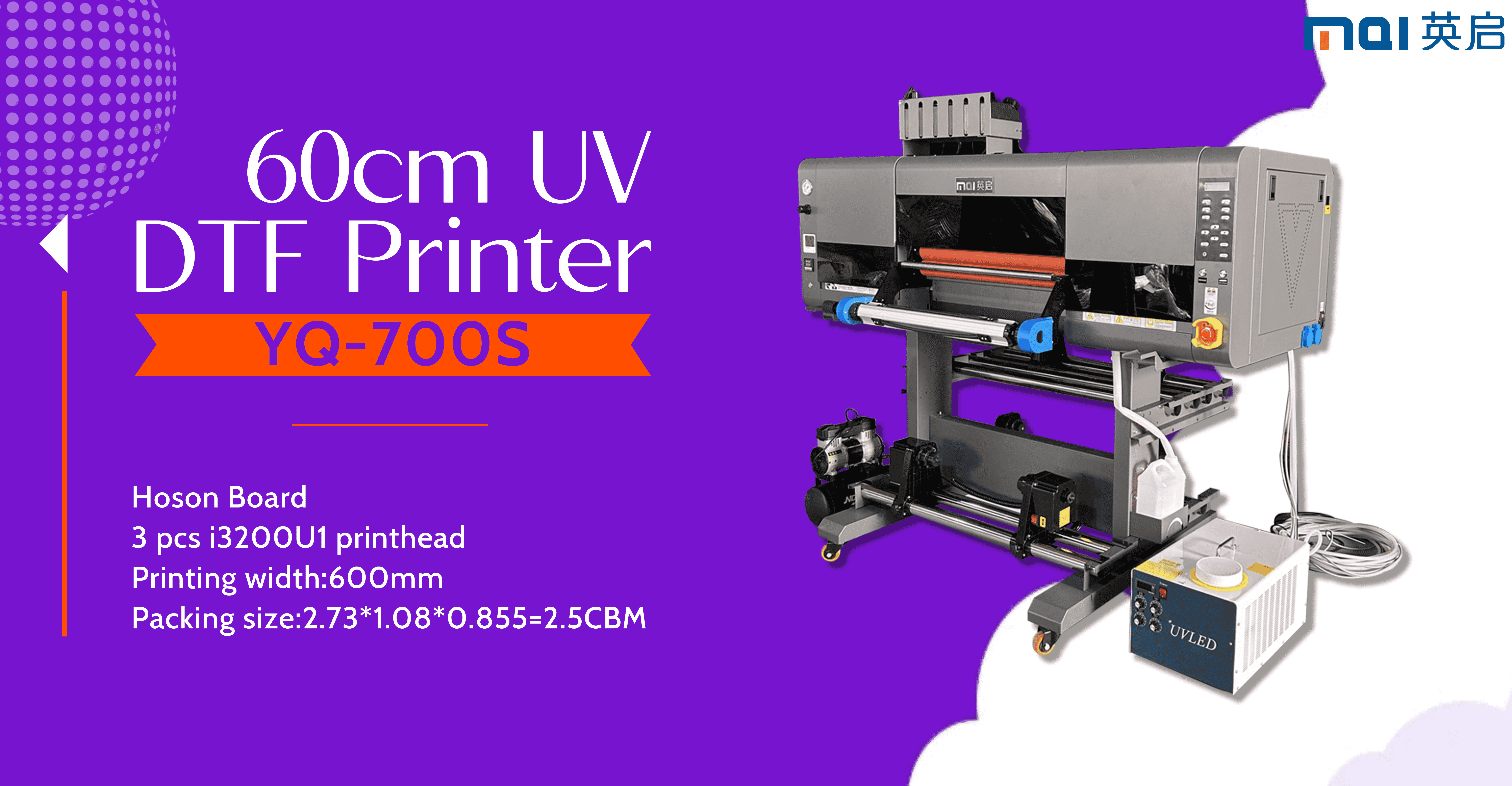
Why UV DTF Printing Excels for Personalized Packaging Applications
Advantages Over Traditional Methods: No Screens, Low MOQs, and Full-Color Photorealism on Rigid & Flexible Substrates
UV DTF printing gets rid of those pesky screens and expensive plates while still delivering amazing photo quality colors right onto all sorts of packaging materials. Companies can now print just 1 to 10 items at a time with no waiting around for setups, which cuts down wasted inventory by about 30% when compared to old school methods. Traditional pad printing struggles with textured stuff, but these UV inks stick like glue even on things like embossed boxes or shiny laminated films that would normally be tricky. Colors look great too, with smooth gradients and sharp details that stay consistent throughout production runs, so brands don't have to worry about their colors looking different on various materials. Plus there's no need to wait extra time after printing for everything to cure, meaning products get delivered faster for those rush orders that come in last minute.
Key Packaging Use Cases: Labels, Tins, Cosmetic Boxes, Beverage Sleeves, and Limited-Edition Retail Packaging
This technology dominates niche packaging verticals requiring rapid customization:
- Premium labels for craft beverages achieve metallic effects on shrink sleeves
- Cosmetic compacts and aluminum tins retain high-resolution imagery on curved surfaces
- Limited-edition boxes leverage variable data printing for serialized luxury items
-
Beverage sleeves withstand condensation while displaying vibrant seasonal designs
UV DTF excels in moisture-resistant applications like refrigerated goods packaging, where adhesion outperforms solvent-based inks. Its compatibility with recycled cardboard and bioplastic films also supports sustainable packaging initiatives for eco-conscious brands.
Critical UV DTF Printer Features for Packaging Production
Z-Axis Clearance, Flatbed Stability, and Media Thickness Handling for Rigid Boxes and Embossed Surfaces
When it comes to packaging materials such as sturdy gift boxes or those fancy embossed cosmetic containers, getting the printer specs right isn't just important—it's absolutely essential. The printer needs at least 100mm of vertical space to handle three-dimensional objects properly. Industrial quality flatbeds are also necessary because they stop those annoying vibrations that cause print errors when running at speed. Handling materials thicker than 40mm matters too. This makes all the difference for printing on things like corrugated inserts or chipboard packaging without getting stuck or jammed. Let's talk about vacuum beds for a moment. Weaker systems under 75 kPa lead to about 18% more waste on rough surfaces according to Packaging Impressions from last year. And remember, companies lose around $740,000 per batch when prints go wrong based on Ponemon research in 2023. These numbers explain why these specifications aren't something manufacturers can skip over—they're fundamental requirements for any serious operation.
Integrated Lamination, Precision Registration, and White Ink Reliability for Opaque/Transparent Packaging Substrates
Getting good results on transparent beverage sleeves or those fancy metallized labels requires some pretty specific ink handling techniques. The integrated lamination modules really matter because they stop mess from happening between the printing stage and the curing process. This becomes especially crucial when moving back and forth between different materials such as BOPP films versus matte cardboard surfaces. When dealing with white ink for those dark packages where visibility is key, operators should check if the equipment has continuous agitation features. Without this, sediment tends to settle at the bottom of the ink reservoirs over time, causing annoying clogs whenever production pauses. Most modern systems now come equipped with a four point optical registration setup that keeps everything aligned within about 0.1mm accuracy across both PET liners and shrink sleeve applications. This kind of precision saves money by cutting down on wasted prints and material costs.
| Feature | Failure Impact | Optimal Specification |
|---|---|---|
| White Ink Opacity | Faded graphics on dark tins | âÂ¥82% coverage (ISO 2471) |
| Vacuum Bed Strength | Shifting during embossing | âÂ¥75 kPa hold-down force |
| Print/Apply Alignment | Cropped labels | ±0.1mm registration tolerance |
Top UV DTF Printers Optimized for Packaging Workflows
Mimaki UJF-6042MkII: Industrial Precision for High-Mix, Short-Run Packaging Jobs
The industrial UV DTF printer offers remarkable accuracy for intricate packaging customization needs. Equipped with a generous 6 inch Z axis clearance and some pretty impressive registration features, this machine works wonders on embossed surfaces, those thick rigid boxes that go up to around 2.4 inches, plus all sorts of textured materials too. The printer comes with two sets of CMYK plus white inks which gets us close to 98 percent Pantone match accuracy. That means brands can get really lifelike prints even for small batches of special edition products. We also integrated automated lamination right into the system, cutting down on extra steps especially important when working with fragile stuff like foil covered cards or makeup packaging. And thanks to the vacuum bed system, everything stays stable at speeds of about 15 square meters per hour. Makes sense for orders below 500 pieces where getting things done fast without any mistakes is absolutely essential.
Roland BN-20D & SG12-64: Compact Flexibility for Labels, Small Tins, and POP Displays
Shops that need compact UV DTF printing options will find these machines pretty versatile overall. Take the 20 inch BN-20D model for instance it handles peel and apply films really well for things like metal tins, those round containers, and pressure sensitive labels too. This makes them great for small batch runs of craft beer bottles or beauty product samples. On the other hand, the SG12-64 comes with a roll to roll setup that can handle thicker materials up to about 1.2mm thick. That means businesses can print directly onto point of purchase displays and various types of retail signs without extra steps. Both models include built in contour cutting features along with Roland's ECO UV ink technology which works instantly even on tricky surfaces such as PET plastic and laminated materials. The relatively small size of these printers combined with workflows that only require one person operating makes them ideal for smaller operations that typically produce fewer than 200 packaging items each day.
Workflow Integration and Material Readiness for Reliable Packaging Output
Surface Prep Essentials: Priming, Coating, and Curing Protocols for Cardboard, PET, Aluminum, and Laminated Stocks
Getting the surface right before printing is really important for making sure things stick properly and last longer on different packaging materials with a UV DTF printer. For cardboard stuff, we usually apply some kind of sealant coating first because otherwise the ink gets soaked up too much and the fibers actually swell when printed on. Materials that don't absorb anything, like PET plastic or aluminum sheets, need special primer treatments so the ink has something to grab onto. And laminated papers? Those tricky ones require careful control of how they're cured under heat or else the layers start peeling apart after printing. Every single material type works differently in practice, which means operators have to follow completely separate procedures depending on what they're working with at the moment.
- Priming establishes adhesion foundations on challenging surfaces
- Coating ensures uniform ink receptivity across textures
- Curing parameters must balance bond strength with substrate integrity
Testing materials thoroughly helps avoid problems during production runs. The way things are done really depends on what we're working with aluminum needs totally different treatment compared to those coated cardboard materials for instance. Getting good results comes down to making sure the chemical prep matches the material characteristics. When companies skip this step or get it wrong, defects jump up around 65% based on some industry research looking at how materials interact. That's why most smart manufacturers run small test batches first before going full scale. It saves time and money in the long run when issues get caught early instead of causing major headaches later on.
Frequently Asked Questions
What is UV DTF printing?
UV DTF printing is a modern printing technique that combines UV-curable inks with direct-to-foil transfer methods to achieve high-quality, full-color prints on a variety of packaging materials, both rigid and flexible.
What are the advantages of UV DTF printing compared to traditional printing?
Unlike traditional methods, UV DTF printing does not require screens or plates, allowing for smaller minimum order quantities (MOQs) and faster setup times. It also provides photorealistic color quality and adheres well to both smooth and textured surfaces.
Which packaging applications benefit most from UV DTF printing?
UV DTF printing excels in applications like premium labels, cosmetics, aluminum tins, limited-edition boxes, and beverage sleeves, especially those requiring rapid customization and moisture resistance.
What are critical features of UV DTF printers for packaging?
Key features include Z-axis clearance for handling 3D objects, flatbed stability to minimize print errors, media thickness handling, integrated lamination, precision registration, and reliable white ink for opaque/transparent substrates.
Can UV DTF printing support sustainable packaging initiatives?
Yes, UV DTF printing is compatible with environmentally friendly materials, including recycled cardboard and bioplastic films, making it a good choice for brands focused on sustainability.