
 EN
EN
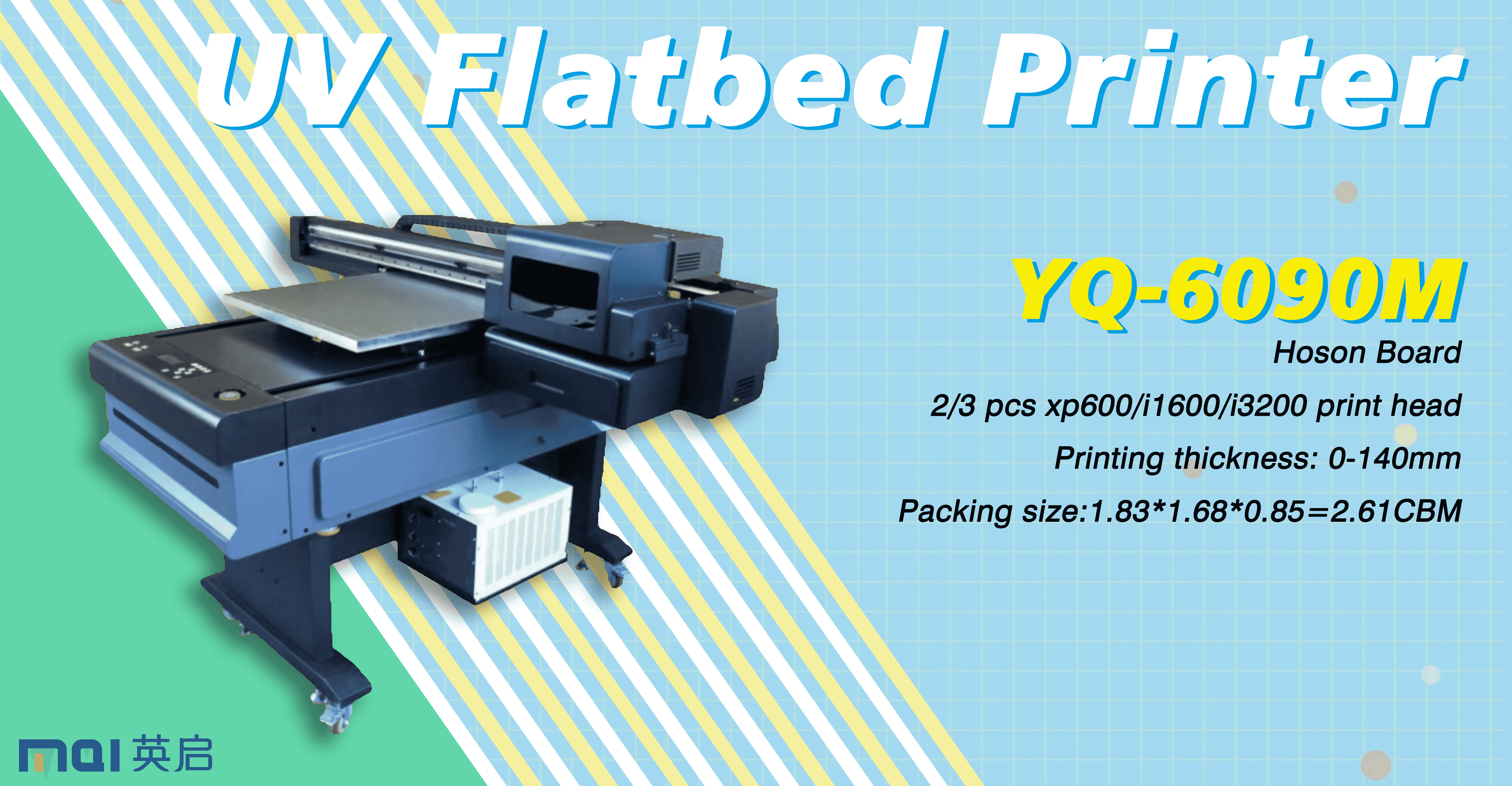
How UV Curing and Printhead Technology Enable True Multi-Material Printing
LED UV Curing: Instant Fixation Across Diverse Substrate Surfaces
The secret behind UV flatbed printers' ability to work with so many different materials lies in their LED UV curing tech. Specialized inks get deposited onto various surfaces, then exposed to UV light which activates chemical reactions that turn liquid ink into solid film almost instantly. This quick setting process stops problems with ink absorption differences on things like wood, and at the same time keeps prints from smearing on smooth surfaces such as glass. Traditional heat drying methods can warp sensitive materials like acrylics and PVC plastics, but UV curing keeps everything dimensionally stable. Another big plus is the ability to apply multiple layers one after another without waiting for each layer to dry first. Think about printing white bases underneath bright colors or adding textured finishes. The way these LED UV systems bond to surfaces works equally well whether printing on something porous or not, resulting in consistent shine and protection against scratches no matter what kind of material gets printed on.
Precision Printhead Alignment and Variable-Drop Technology for Texture & Thickness Adaptation
Advanced piezoelectric printheads adapt ink deposition to material variations through two critical innovations:
- Microscopic nozzle alignment ensures ±0.1mm droplet placement accuracy across warped or uneven surfaces, maintaining image integrity on corrugated board or molded plastics.
- Variable-drop technology dynamically adjusts ink volume from 3 to 30 picoliters per droplet. Smaller drops render fine details on smooth ceramics; larger drops fill textured surfaces like leather grain efficiently. This dual capability prevents ink pooling on thick materials and compensates for substrate height deviations up to 5 cm. Combined with anti-collision sensors, these systems automatically recalibrate printhead gaps during operation—enabling direct printing on assembled products with protruding components. Such precision supports photographic-quality output on materials ranging from 0.5 mm metal sheets to 10 cm foam boards.
Multi-Material Compatibility: Performance on Rigid, Flexible, and Hybrid Substrates
High-Density Materials: Glass, Metal, Acrylic, and Ceramic—Adhesion, Gloss Retention, and Scratch Resistance
UV flatbed printers work really well on hard materials such as glass and metal because they create strong bonds at the molecular level when using those fast LED curing processes. These bonds can take about five times more wear and tear compared to regular solvent based options, plus they keep around 95 percent of their original shine which matters a lot for things like building signs or factory labels that get handled regularly and face all sorts of weather conditions outside. When working with stuff like ceramic tiles or acrylic sheets, there are special inks available that won't fade under sunlight exposure for at least five years if placed outside. There's also this variable drop tech that puts just the right amount of ink onto tricky surfaces like curved metals or shiny ones without letting it pool up anywhere, so everything looks nice and even across the whole surface area. What we end up with are tough graphic prints that don't need any extra protective layers, perfect for places where normal printing would simply not survive.
Organic & Porous Substrates: Wood, Leather, PVC, and Corrugated Board—Ink Absorption, Flexibility, and Post-Processing Stability
When working with organic and porous materials, getting the right amount of ink is really important for finding that sweet spot between how much gets absorbed, how flexible the material stays, and keeping its overall strength. The newer generation of UV printers can actually change how thick or thin the ink is as they print, which cuts down on ink soaking into wood grain by around 40% compared to older techniques. This helps reduce those annoying bleed issues while still letting the material expand naturally over time. These special elastic UV inks stick pretty well too, lasting through hundreds of bends on things like leather and PVC without showing any cracks. What makes these printers stand out is their low heat curing process that doesn't warp cardboard when printing large volumes, so boxes keep their shape and strength. After all the printing is done, colors stay true even after cutting, embossing, or adding varnish layers. This matters a lot for creating those fancy mixed material displays seen in stores today where everything needs to look good and function properly together.
Business Impact: Industry-Specific Applications Enabled by UV Flatbed Printer Versatility
Retail & Signage: Mixed-Material Point-of-Purchase Displays and 3D-Textured Branding
UV flatbed printers are changing how retailers set up their spaces, making it possible to create eye-catching displays across different materials. Many point-of-purchase stands now mix hard acrylic backgrounds with soft PVC details that have those cool 3D textures people actually remember better after seeing them. Some studies from BPIAE in 2024 found these textured surfaces helped brands stick in customers' minds about 47% more effectively than regular prints. Stores love this flexibility for creating limited edition seasonal signs. They can get realistic wood grain looks on MDF panels, shiny metal effects on aluminum displays, and tough window stickers that dry right away under UV lights instead of going through the old screen printing process which saves around 30% on manufacturing expenses. The whole system lets businesses jump on new marketing ideas quickly without having to stockpile extra stuff just sitting around.
Industrial Manufacturing & Packaging: Functional Printing on Composite Panels and Custom Jigs
UV printers go way beyond just looking good in industrial settings. Factories now print right onto materials like composite panels and various tooling parts. They're putting non-slip textures on forklift grips, wiring diagrams straight onto control boxes, and even QR code tags for tracking inventory on metal parts. The instant drying process means workers can start assembling things right away instead of waiting around. Some companies report getting their projects done about two thirds faster than before, and these prints hold up against harsh chemicals and rough handling too. What makes this really interesting is how it turns prototype pieces into ready-for-production items in just a few hours time. All those separate steps for marking, labeling, and surface treatments get combined into one digital workflow that saves both time and money across manufacturing operations.
Selecting the Right UV Flatbed Printer: Key Evaluation Criteria for Multi-Material Workflows
Substrate compatibility should come first when evaluating printers. Look at how well the machine works with different materials like glass and metal surfaces, or flexible stuff such as PVC and leather products, plus those tricky hybrid composite materials. Pay special attention to whether the ink sticks properly and if the curing process stays consistent across all these substrates. If running large batches regularly, check out the speed of operation and what kind of automated features are available. Vacuum beds can be really helpful, along with adjustable print head heights that maintain quality even after hours of nonstop printing. Also think about how everything fits together within existing workflows. Make sure the bed dimensions work for most common projects, and double check if the shop has proper ventilation systems and enough electrical capacity to handle the equipment. And remember, while initial costs matter, so does ongoing efficiency. Good printhead calibration makes a big difference actually saving around 30% on wasted materials when dealing with multiple media types over time.
FAQ
What is LED UV curing technology?
LED UV curing technology is a process where specialized inks are exposed to UV light, causing chemical reactions that quickly turn liquid ink into a solid film. This technology allows for instant fixation across various substrate surfaces.
How does variable-drop technology benefit print quality?
Variable-drop technology allows for dynamic adjustment of ink volume in each droplet, ensuring fine detail rendering on smooth surfaces and efficient ink distribution on textured materials, thereby improving print quality on diverse substrates.
Why are UV flatbed printers preferred for multi-material compatibility?
UV flatbed printers offer versatility in printing on rigid, flexible, and hybrid substrates due to their strong bond formation, gloss retention, scratch resistance, and adaptability to material texture and thickness.
What should I consider when selecting a UV flatbed printer?
Important considerations include substrate compatibility, reliability of ink adhesion, curing process consistency, speed of operation, and alignment with existing workflows. Efficiency and initial costs should also be assessed.
Table of Contents
- How UV Curing and Printhead Technology Enable True Multi-Material Printing
- Multi-Material Compatibility: Performance on Rigid, Flexible, and Hybrid Substrates
- Business Impact: Industry-Specific Applications Enabled by UV Flatbed Printer Versatility
- Selecting the Right UV Flatbed Printer: Key Evaluation Criteria for Multi-Material Workflows
- FAQ