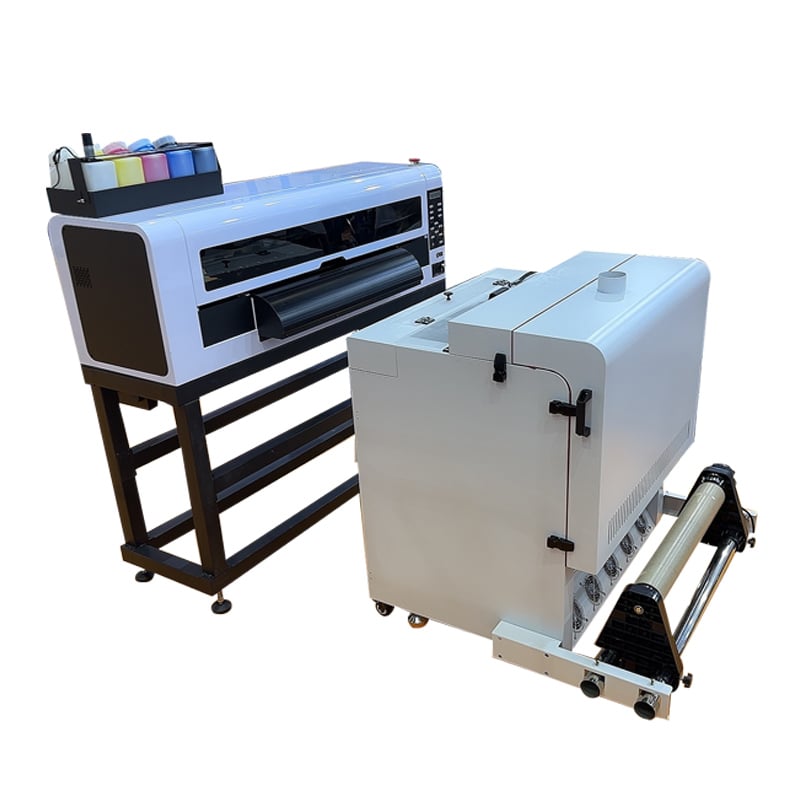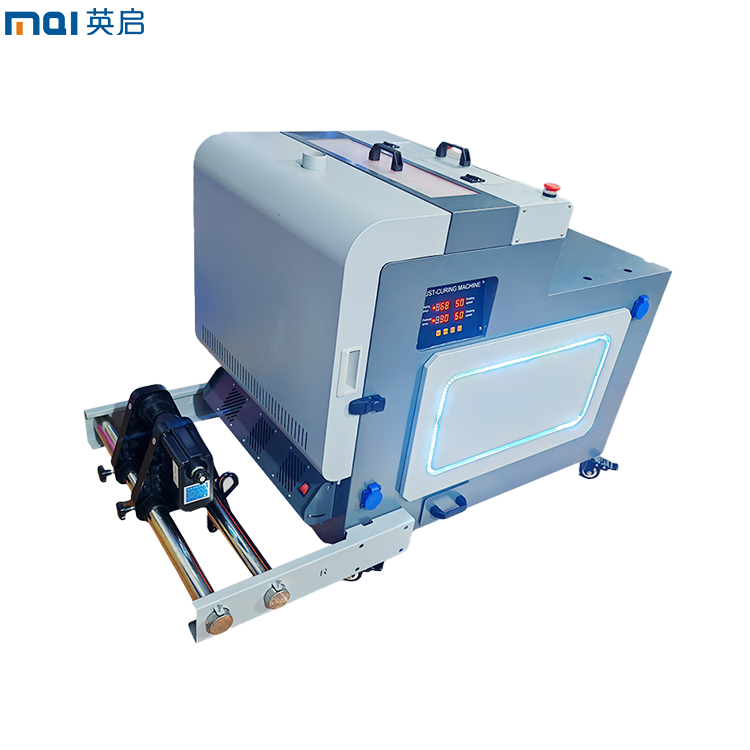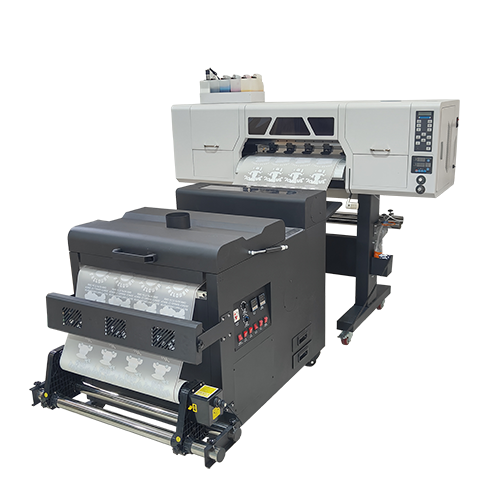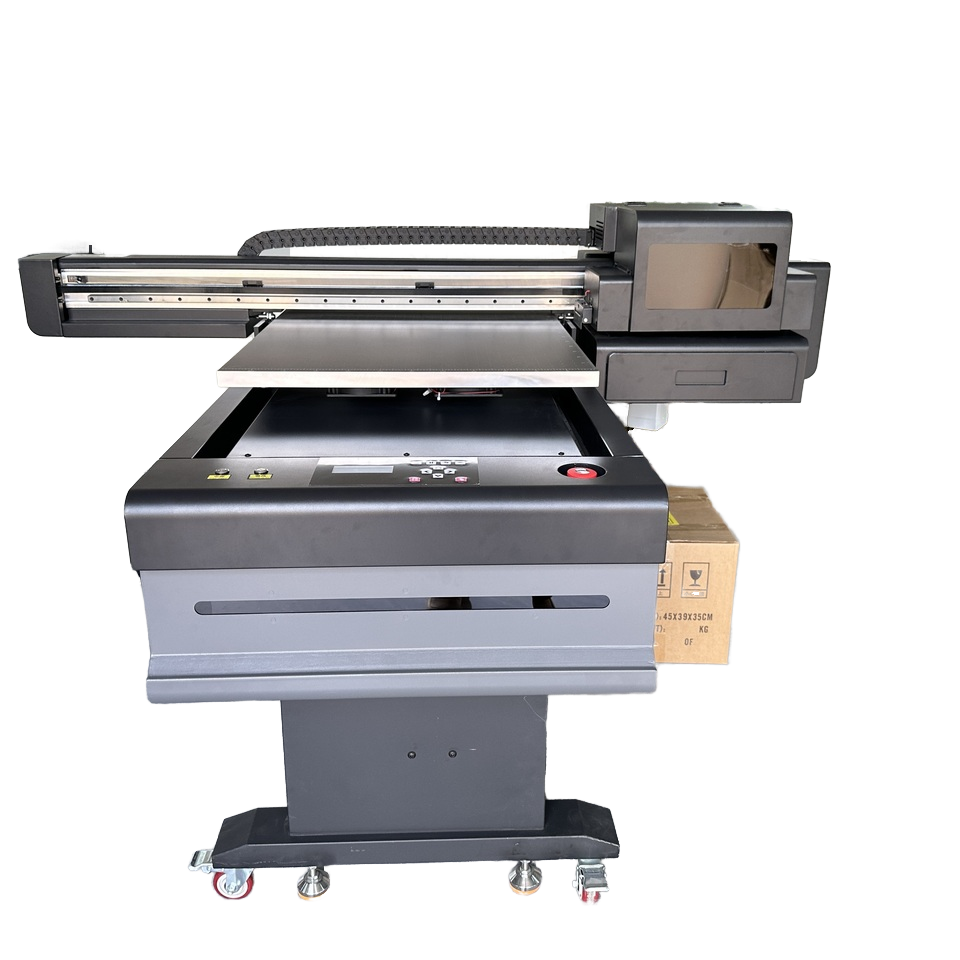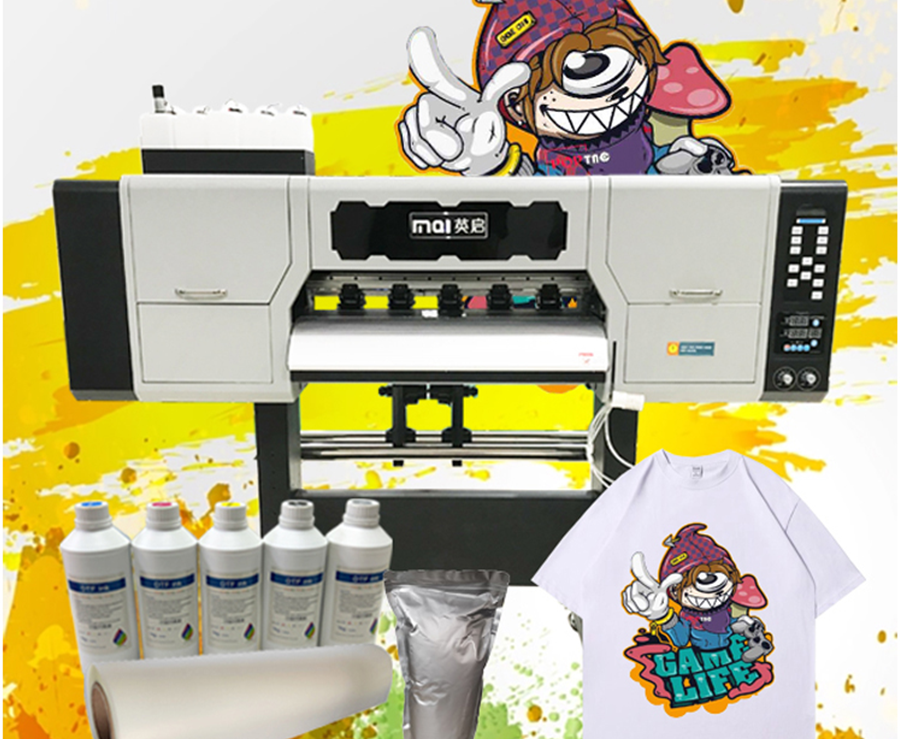
Choosing the right print width between 24 inches and 64 inches makes a real difference when scaling up production. Wider formats mean fewer print cycles needed for big orders, though they do come with a bigger price tag at the start. Industrial DTF printers can crank out over 300 transfers each hour thanks to their precision linear encoders and those powerful high torque motors we all know and love. Most companies go with roll to roll systems for mass production since they handle continuous media so well, saving about 40 percent on labor costs compared to sheet fed machines according to recent industry studies. Sheet fed setups still work best for small batches of specialty products where having control over how substrates align manually actually matters quite a bit.
Printhead engineering is the cornerstone of long-term ROI in bulk DTF printing:
The i3200’s ceramic-coated components extend service intervals by 200 hours compared to thermal alternatives—critical for uninterrupted enterprise workflows. White ink viscosity management varies significantly across models, directly affecting opacity consistency in multilayer designs.
Around three quarters of all production stops in busy manufacturing settings actually come down to pigment settling issues. The system uses special circulation systems that keep the ink flowing smoothly throughout, and there are these ultrasonic devices that stop particles from bunching together in storage tanks. When machines aren't running, automatic cleaning routines kick in to clear out any dried ink stuck in the lines, which cuts down on maintenance time needed by almost half. There are also built-in sensors for measuring air moisture levels, so the equipment can adjust itself based on what's happening in the workshop environment. This helps maintain good print results even after thousands upon thousands of prints have been made.
Smart gang sheet nesting programs place several designs onto one DTF film sheet, cutting down on wasted material. These systems can actually improve how much usable space gets used by around 27% when compared to what people do manually. The software also handles bleed control automatically, making sure designs go past those cut lines so there won't be any pesky white edges after transfer. This helps keep products looking professional and meets quality expectations for brands. Special algorithms work behind the scenes to adjust designs' size and orientation within printer boundaries. They'll tweak layouts from job to job depending on actual measurements and how many items need printing. For businesses running large volumes, this kind of precision translates into about 19% less film consumed each year. And best of all, it does all this without anyone needing to step in and make changes themselves.
Automation through RIP (Raster Image Processor) systems completely changes how production lines work by using batch queuing to handle hundreds of design files one after another. The hot folder feature keeps an eye on specific folders and automatically prints any new files that get uploaded, applying set resolutions and color settings right away. When it comes to calibration, preset ICC profiles ensure that white ink remains consistently opaque and colors stay accurate throughout all printers in the fleet, which cuts down on manual tweaking by around 85%. Error detection happens automatically too, stopping print jobs only when there's something really serious going on like a jammed film or running out of ink this makes round-the-clock operations actually possible. Standardizing these processes leads to about 98% consistency in outputs and saves money on labor costs for every thousand printed transfers.
When looking at what industrial scale direct to film printing really costs, there are several factors beyond just buying the equipment that need attention. Consumables eat up around half of ongoing expenses most of the time. Specialized inks alone run between $80 and $120 per liter, while good quality films cost anywhere from $1.50 to $3 per square foot plus those pesky adhesive powders. Maintenance is another big hit to the bottom line. Replacing printheads can set businesses back anywhere from $500 to $2000 each year depending on how much they print. But companies that invest in automated purge systems typically see their cleaning fluid bills drop by about 18%. Operational efficiency matters too when it comes to labor costs. Printers equipped with automated gang nesting features not only slash substrate waste by roughly 22%, but also save significant amounts of manual handling time. Energy bills vary quite a bit as well. For facilities running industrial DTF printers 12 hours a day, expect monthly electricity costs somewhere between $120 and $300. Smart businesses focus on machines with high material utilization rates and built-in maintenance alerts because these features tend to bring down the cost per print by 15 to 25 percent over three years according to industry standards.
When industrial DTF printers get connected to ERP or MES systems, companies can break down those annoying data silos and actually track materials in real time while orders route themselves automatically. The cloud based dashboards give plant managers a clear view of what's happening on the floor right now with print jobs waiting, how much transfer film is being used, and which garments are stuck at the heat press stage. This matters a lot when trying to handle over 5000 transfers each day without breaking a sweat. Printers talk to heat presses through synchronized protocols that tweak temperature and pressure settings depending on the fabric type, which cuts down on alignment mistakes by around 18% as recent textile automation reports show. Having everything connected from start to finish stops expensive production stoppages too. Factories that stick with old school disconnected setups typically waste about seven hundred forty thousand dollars every year just because of delays in operations. With all these processes working together smoothly, quality stays consistent across batches and there's roughly 30% less need for people to constantly check things manually, so large scale deployments become something businesses can grow into without worrying about sustainability issues down the road.
Print width significantly impacts production efficiency. Wider formats reduce the number of print cycles required for large orders, which can be beneficial in high-volume production settings.
Printheads like XP600, L1800, and i3200 offer various benefits. The XP600 provides high resolution suitable for fashion applications, while the L1800 offers cost-effective matte finishes. The i3200 is ideal for 24/7 industrial operations due to its durability.
White ink management systems prevent ink pigment settling and optimize uptime. Features like recirculation and auto-purge help reduce maintenance times and ensure consistent print quality.
Systems like gang sheet optimization and RIP software automation enhance production efficiency by reducing waste, optimizing design placement, and ensuring consistent print outputs without manual intervention.
Aside from the equipment cost, businesses need to consider ongoing expenses like consumables, maintenance, labor, and energy costs. Features reducing substrate waste and efficient energy consumption can lower total costs over time.
 Hot News
2025-04-18
2025-04-17
2025-04-16
2025-12-26
2025-10-15
2025-09-17

Guangzhou Inqi Electronic Instruments Co., Ltd. supplies advanced DTF printers, UV flatbed printers, and digital sublimation printers. With R&D, production, and global delivery across 150+ countries, we offer one-stop OEM solutions and reliable printing machinery for diverse industrial applications.
Room 407, 408, 4th Floor, Building 2, No. 19, Yongfeng Road, Shiji Town, Panyu District, Guangzhou
Copyright © 2025 by Guangzhou Inqi Electronic Instruments Co.,Ltd. Privacy Policy
 EN
EN