
 EN
EN
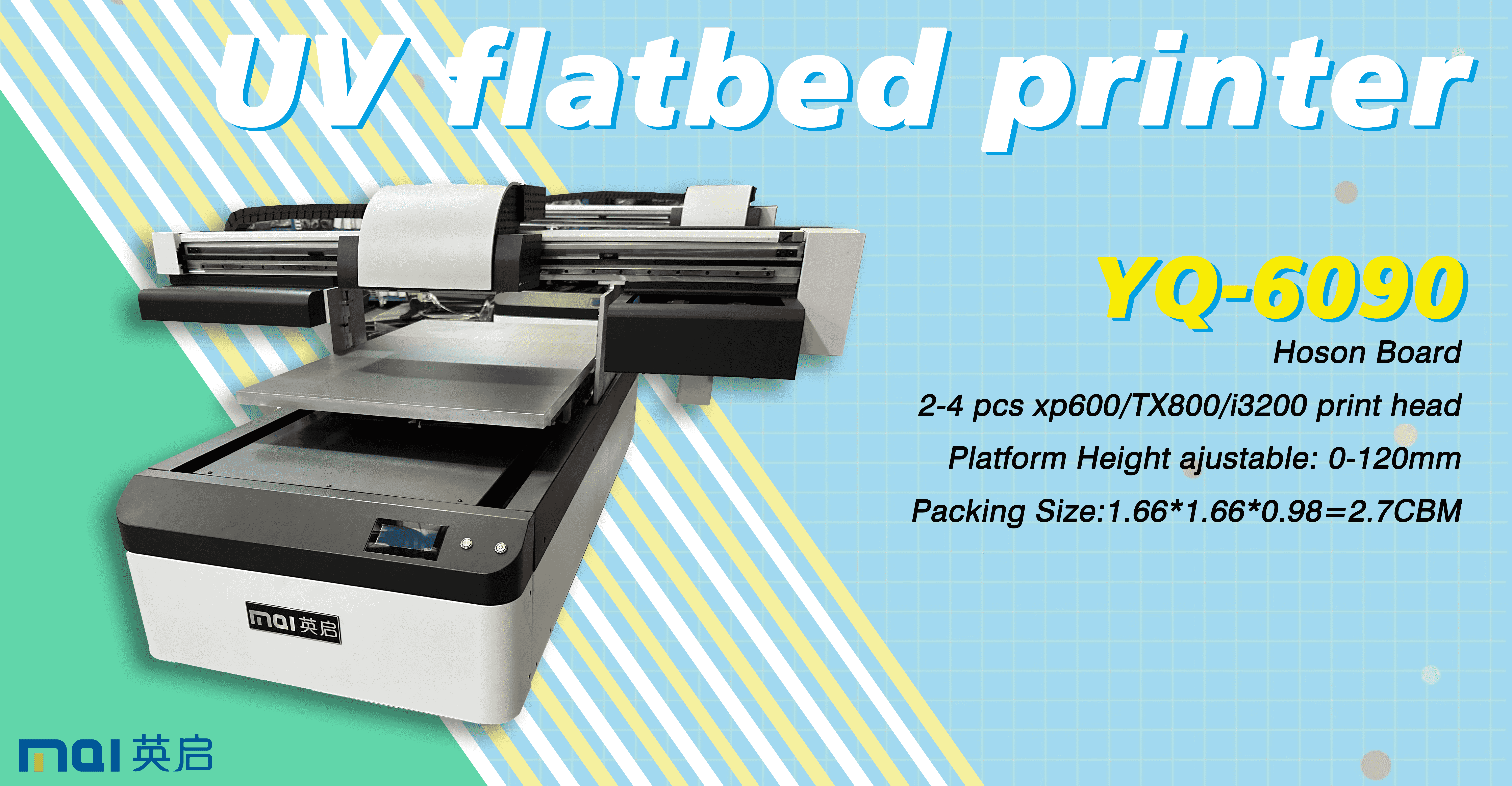
ՈՒՎ սահմանափակ պրինտերի հնարավորությունների հասկացությունը խոշոր ձևաչափի տպագրության համար
Ինչպես է ՈՒՎ սահմանափակ տեխնոլոգիան հնարավորություն տալիս տպագրել խոշոր կոշտ նյութերի վրա
Մեծ ձևաչափի տպագրության աշխարհը փոխվել է շնորհիվ UV ստեղծագործական տիպի տպիչների, որոնք աշխատում են՝ նյութերը տեղադրելով ֆիքսված սայլակի վրա, իսկ ցանցային լամպերի օգնությամբ չորացնելով: Այս սարքերը տարբերվում են ստանդարտ փաթաթային սնուցման համակարգերից, քանի որ թույլ են տալիս օգտագործողներին անմիջապես տպել պինդ օբյեկտների վրա, որոնց չափսերը մոտավորապես 43 դյույմ են 24 դյույմի վրա, առանց հարմարեցման խնդիրների մասին մտածելու: Բարձրակարգ արդյունաբերական տարբերակները հագեցած են առաջադեմ աղբյուրային տեխնոլոգիայով, որը պահպանում է պատկերի որակը՝ 1200 dpi լուծաչափով, նույնիսկ այն դեպքում, երբ աշխատում է դժվարին մակերեսների վրա, ինչպիսիք են կոպտացորեն փայտը, հարթ ակրիլային սալիկները կամ այն ալիքային մետաղական թերթերը, որոնք հաճախ օգտագործվում են շինարարական նախագծերում: Դրանց մեկ մեծ առավելություն այն է, որ այս տպիչները խուսափում են նյութի դեֆորմացիայի խնդրից, որը հաճախ առաջանում է հին տաքացման մեթոդների դեպքում: UV չորացման գործընթացը հիմնականում անմիջապես ամրացնում է ներկը կոնտակտի վրա, ինչը հանգեցնում է ամրության 98%-ին հասնող ցուցանիշի՝ ըստ 2023 թվականի Ponemon Institute-ի արդյունաբերական հետազոտության:
Հիմնական հատկանիշներ՝ Տպման սեղանի չափը, Բարձրության ազատ տարածք և Մականյակի կրող ունակություն
Լայնաֆորմատ ՈՒՖ հարթ սեղանի արդյունավետությունը որոշվում է երեք կարևորագույն սպեցիֆիկացիաներով՝
| Հատկություն | Արդյունաբերական ստանդարտ | Կիրառման Ազդեցությունը |
|---|---|---|
| Տպման սեղանի չափը | 43,4” x 24” | Ամբողջական դռան նշանակում մեկ անցումով |
| Z-առանցքի ազատ տարածք | 506 մմ | Կարող է տեղավորել 3D օբյեկտներ մինչև 20” |
| Մականյակի քաշի սահմանափակում | 220 ֆունտ | Աջակցում է մարմարի/ապակու սալեր |
Գերակշռող մոդելները ներառում են վակուումային սեղաններ և ավտոմատ բարձրության սենսորներ՝ նյութերը բարձր արագությամբ տպելիս (մինչև 1,500 քառ. ոտն/ժ) ապահովելու համար: Կոնվեյերի երկարացումները թույլ են տալիս շարունակական աշխատանք համար ճարտարապետական վահանակների կամ տրանսպորտային միջոցների փաթաթման սերիական արտադրության համար:
Ուսումնասիրություն՝ X5-T-ի (43,4” x 24”) արդյունավետությունը արդյունաբերական խոշորամասշտաբ կիրառություններում
2023 թվականի վերլուծությունը 42 արտադրական հզորությունների վերաբերյալ ցույց տվեց, որ UV սեղանային պրինտերները խոշոր ֆորմատի արտադրության ծախսերը 34% կրճատեցին ցանցային տպագրության համեմատ: X5-T կոնֆիգուրացիան հատկապես արդյունավետ էր այս դեպքերում.
- Ռետեյլ դիսպլեյներ : Արտադրեց ազգային ցանցի ակրիլային նշումների 84%-ը՝ օգտագործելով լրիվ 43,4” լայնությունը
- Արդյունաբերական պիտակներ : Տպեց UV-դիմացկուն անվտանգության նշումներ ուղղակի 18” հաստությամբ սարքավորումների կազմերի վրա
- Պատվերային մատակարարություն : Հասեց 0,2 մմ տեղադրման ճշգրտության 500+ կորուգացված ստվարաթղթի պրոտոտիպերի վրա
Սա համընկնում է Լայնաֆորմատ տպագրության միտումների զեկույցում նշված հայտնաբերումների հետ, որտեղ նշվում է 27% ավելի արագ կատարման ժամանակ, երբ ստատիկ տպման տեխնոլոգիան համակցվում է ավտոմատացված սուբստրատի կեղծափոխման հետ:
Տպման սեղանի չափսեր և բարձրության ազատ տարածք մեծ և հաստ սուբստրատների համար
Արտադրողականության առավելագույնի հասցում 43,4” x 24” տպման տարածքով և համատեղելիությամբ սալիկների և թերթերի հետ
Այսօր ՈՒՎ սահմանափակ տիպի պրինտերները շնորհիվ մոտ 43,4 դյույմ (մոտ 1102 մմ) լայնությամբ և 24 դյույմ (մոտ 610 մմ) երկարությամբ մեծ տպման տիրույթի՝ ապահովում են իրական արդյունաբերական արդյունավետություն, ինչը հնարավորություն է տալիս տպել մինչև 1,5 դյույմ (մոտ 38 մմ) հասնող հաստությամբ նյութերի վրա: Այս կառուցվածքի շնորհիվ օգտատերերը կարող են անմիջապես տպել լրիվ չափսի PVC թերթերի, ակրիլային վահանակների և նույնիսկ ամբողջական նշանների վրա՝ առանց անհրաժեշտության ձեռքով տեղաշարժելու այս ամենը: Մեքենաները սարքավորված են հզոր վակուումային համակարգերով և եզրային կցանքներով, որոնք ամրացնում են նյութերը տպման ընթացքում՝ ապահովելով մինչև 0,1 մմ ճշգրտություն, նույնիսկ աշխատելիս 4 ոտնաչափ լայնությամբ և 8 ոտնաչափ երկարությամբ ֆաների թերթերի հետ: Ինչպես ցույց են տվել արդյունաբերության շատ ներկայացուցիչներ, այս մեծ չափսերը նյութերի կորուստը կրճատում են մոտ 18 տոկոսով՝ համեմատած փոքր պրինտերների հետ, երբ պատրաստվում են շատ քանակով ճարտարապետական վահանակներ կամ առևտրային ցուցադրման մասեր:
506 մմ Z-առանցքի բացվածք. 3D օբյեկտների տպում՝ հնարավոր դարձնելով սառնարանների, սարքավորումների և այլնի վրա
Առաջատար UV սեղանի համակարգերում 506 մմ (20”) ուղղահայաց միջակայքը հեղափոխում է անմիջապես օբյեկտի վրա տպելու գործընթացը՝ հնարավորություն ընձեռելով տպելու հետևյալ առարկաների վրա.
- Արդյունաբերական սարքավորումների կազմեր (մինչև 19,7” բարձրությամբ)
- Վերևից կույտ դասավորված խրախուսական սառնարաններ
- Նախապես պատրաստված ավտոմոբիլային մասեր
Զ-առանցքի այս շառավիղը, զուգակցված դինամիկ բարձրություն սենսորային տպող գլխերի հետ, ապահովում է հաստատուն ներկի նստեցում անկանոն մակերեսների վրա: Օպերատորները հասնում են 1,200 dpi լուծաչափի մոտ կորացված մոտոցիկլի անվտանգության անվածածկերի և կորնիզավորված կոժինե դեղնարյունների վրա՝ արտադրության արագությունը չնվազեցնելով, ինչը գարնանային է արտադրողների համար, ովքեր պահանջում են ±24 ժամվա ընթացքում պատրաստել ստեղծագործական նմուշներ:
Մատերիալի ճկունություն և կպչունության արդյունավետություն տարբեր հիմքերի վրա
Տպում կոշտ, ճկուն և կոմպոզիտային մատերիալների վրա՝ UV ցանցման ճշգրտությամբ
Ժամանակակից UV սեղանի տպիչները ապահովում են աննախադեպ բազմաֆունկցիոնություն՝ անմիջապես ցանցելով ներկը, որն քիմիապես կպչում է գրեթե ցանկացած մակերեսին: Տեխնոլոգիան հասնում է 98,6% կպչունության արդյունավետության մատերիալների կատեգորիաներում (Ponemon 2023), ներառյալ.
- Կոշտ հիմքեր : Ալյումինե կոմպոզիտային սալիկներ (±2" հաստությամբ), պնդացված ապակի (6–19 մմ)
- Շարժական նյութեր : PVC գովազդային շարժանակներ (250–600 գ/մ²), ձգված կտավ՝ ±0,3 մմ մակերևույթային շեղումով
- 3D կոմպոզիտներ : Ածխածիր թերթեր՝ 6–8 մկմ մակերևույթային խոտանով
2024 թվականի պոլիմերային հիմքերի վերլուծությունը ցույց տվեց, որ UV-ով ցանկապատված տպագրությունները դիմանում են 500+ Տաբերի մաշվածության ցիկլերին կոշտ HDPE մակերևույթների վրա՝ ավելի լավ արդյունք ցուցադրելով, քան լուծիչի վրա հիմնված տարբերակները՝ 38 %-ով: Ընդհանուր նախնական մշակման մոդուլները թույլ են տալիս տպել ցածր մակերևույթային էներգիայով պլաստմասսաների վրա (32–38 դին/սմ)՝ առանց նախնական մշակման:
Իրական կիրառություն՝ բարձրորակ արդյունքներ կտավի, մետաղի և ստեղծագործական տախտակների վրա
ՈՒՎ սահմանափակ տիպի տպիչի նյութի ճկունությունը առանձնանում է արդյունաբերական կիրառություններում.
| Նյութ | Ակտիվացում | Դիմացկունության արդյունք |
|---|---|---|
| Պոլիմերային պատյանով մետաղ | Արդյունաբերական նշումներ | 7+ տարի արտաքին միջավայրում UV դիմադրություն |
| Տեքստուրավորված MDF | Ռետեյլ դիսպլեյներ | ±0.1% ներկի ճեղքեր 85% խոնավության դեպքում |
| Ակրիլիկ/PETG հիբրիդներ | Թանգարանային վերարտադրություններ | գույնի 99,8% ճշգրտության պահպանում |
Վերջերս կատարված կպման ուսումնասիրությունները ցույց են տվել, որ UV-ով ցանկապատված գրաֆիկաները պահպանում են կապի ամրությունը՝ գերազանցելով 4,5 ՄՊա-ն կորացված ալյումինե պրոֆիլների վրա (180° ծռում), ինչը թույլ է տալիս անմիջապես տպել նախնականորեն ձևավորված ճարտարապետական տարրերի վրա: Սա վերացնում է երկրորդային գործընթացները, ինչպիսին է լամինացումը, և նվազեցնում է արտադրության թափոնները 27%-ով համեմատած ավանդական ցանցային տպագրության հետ:
Լայն մակերեսների վրա UV ցանկապատման համասեռություն և տպագրության որակ
Մեծ տարածքներում ցանկապատման համապատասխանության ապահովում տևականության և փայլի համար
ՈՒՖ սահմանափակ տիպի տպիչների հավասարաչափ ցոլումը պայմանավորված է դրանց ճշգրիտ օպտիկական համակարգերով, որոնք, ըստ անցյալ տարվա «Տպագրական արդյունաբերություն» զեկույցի, UV-LED-ներից արտադրում են մոտ 20-30 տոկոսով ավելի մեծ էներգետիկ խտություն՝ հին դպրոցական լամպերի համեմատ: Իրական կիրառությունների համար սա նշանակում է, որ այլևս չենք ստանում այդ խնդրահարույց անց ցոլված եզրերը մեծ ձևաչափեր տպելիս: Ամբողջ մակերեսը պահպանվում է ճիշտ ցոլված, ուստի դիմադրում է գրավորումներին մեծ նշանների տախտակների ընթացքում կամ այնպիսի հսկայական մանրածախ ցուցադրումների դեպքում, ինչպիսիք որ բոլորը սիրում են այսօր: ԱնդրեսՋեթ տպագրական լաբորատորիայում 2024 թվականին կատարված վերջերս փորձարկումներն էլ ցույց են տվել մի բան, որն արժանի է հիացմունքի: Դինամիկ հզորության կարգավորմամբ տպիչները, այն նյութերի հետ աշխատելիս, որոնց մակերեսը գերազանցում է 1,5 քառ. մետրը, կպչողականության խնդիրները կրճատել են մոտ երկու երրորդով:
Լավ արդյունքներ ստանալը կախված է այն բանից, թե ինչպես ենք մենք համապատասխանում այս գործոններին՝ թանաքի հաստությունը, թե որքան արագ են շարժվում իրերը գծով եւ ինչպիսի լույսի ալիքի երկարություն ենք օգտագործում: Օրինակ, կարգավորվող UV LED համակարգերը թույլ են տալիս աշխատողներին ավելի մուգ գույներ տալ լույսի տակ լրացուցիչ 0.8 - 1.2 վայրկյան, երբ տպագրվում են կոմպոզիտային նյութերի վրա, ինչը օգնում է ստանալ հարուստ սեւ տեսք՝ առանց խառնաշփոթի դնում վահանակի ձեւը Այս պարամետրերը ճշգրիտ կարգավորելու ունակությունը հիմնականում լուծում է այն նյարդայնացնող փայլուն/հանգիստ կետերը, որոնք նախորդ տարի տանջում էին ճարտարապետական նշաններից յուրաքանչյուր հինգից մեկին, ըստ Digital Print Trends-ի արդյունաբերական զեկույցների:
Խուսափեք գծերի եւ գույնի փոփոխություններից մեծ չափի տպագրություններում
Բարձր արագությամբ UV հարթագագեղձային մոդելները պայքարում են ցողունների հետ եռակի ռեդունդանսի համակարգերի միջոցով.
- Երկակի երկաթուղային դռան կայունացումը նվազեցնում է դիրքի շեղումը ± 0.01mm
- 12-գույնի մատիտների կազմաձեւերը նվազեցնում են դանդաղման աստիճանը
- Իրական ժամանակում օգտագործվող UV ինտենսիվության սենսորները փոխհատուցում են լամպի տատանումները
Ըստ 2024 թվականին հրապարակված հետազոտության՝ որն ուսումնասիրել է 47 տարբեր արդյունաբերական պրինտերներ, այն մոդելները, որոնք սարքավորված էին ադապտիվ ցանկացման ալգորիթմներով, մետաղական թխկիների վրա մոտ 2,4 մետր երկարությամբ ալյումինե թերթերի վրա աշխատելիս գույների տեղաշարժման խնդիրները կրճատել են գրեթե 80%-ով: Պրինտերները գույները պահում են ընդունելի սահմաններում (մասնագետների կողմից կոչված Delta E՝ ստորև 2), նույնիսկ ամբողջական չափսի տպման տիրույթներում, ինչը շատ կարևոր է խանութների համար, որոնք ցանկանում են, որ դիսփլեները համընկնեն բրենդի ստանդարտների հետ: Մեկ այլ կարևոր գործոն կապված է այն բանի հետ, որ ապահովվում է արտադրանքի ջերմաստիճանի կայունությունը՝ ±1,5 աստիճան Ցելսիուսի սահմաններում: Սա օգնում է խուսափել ներկի հաստության փոփոխությունից, որը հանգեցնում է խոշոր ձևաչափի տպագրական աշխատանքների ընթացքում առաջացող խնդիրների մոտ հինգերորդ մասին, ինչպես նշված է նյութերի գիտությունը տպագրության մեջ ամսագրում անցյալ տարի:
UV սահմանափակ պրինտերների արդյունաբերական և առևտրային կիրառությունները խոշոր չափսի տպագրության մեջ
Տեսանշանների և մանրածախ ցուցադրման արտադրության մեջ գերակայություն
Այսօրվա մեծ ցուցանակների և խանութների դիսփլեյների պատրաստման գործում UV սահմանափակ պրինտերները գրեթե գերիշխող դեր են խաղում: 2024 թվականի Արդյունաբերական տպագրության զեկույցի վերջին տվյալների համաձայն՝ այս ոլորտի արդյունաբերական օգտագործողների մոտ երկու երրորդը այժմ հիմնված է դրանց վրա: Ինչն է այդքան լավ դարձնում այս սարքերին։ Դրանք կարողանում են տպել ամեն ինչ՝ այն դժվար արտաքին ռեկլամաներից, որոնք դիմանում են անձրևին ու արևին, մինչև չորս ֆուտ երկարությամբ մեծ միավոր գնման տեղերի ցուցադրություններ, ինչպես նաև ամբողջական խանութի պատուհաններ, որոնք լի են գրաֆիկայով: Այս ամենը տպվում է անմիջապես PVC տախտակների և dibond ալյումինի վրա՝ առանց լրացուցիչ քայլերի: Տպագրական սրճարանները նշում են, որ նրանք տեսնում են մոտ 40 տոկոսով ավելի բարձր արագություն հին ստեղնաշարային տպագրության համեմատ, հատկապես այն դեպքերում, երբ խոսքը գնում է 50-ից ավել մեծ վահանակների մեծ պատվերների մասին, որոնք անհրաժեշտ են ազգային առևտրային ցանցերի համար, որոնք ընդլայնում են իրենց տեղակայումները:
Աճող դեր հատուկ պրոտոտիպավորման և պատվերով արտադրության մեջ
Նույն ՈՒՖ հարմարեցման տեխնոլոգիան, որը թույլատրում է մեծ ձևաչափի տպում, հիմա կիրառվում է ճարտարապետական մոդելների և արդյունաբերական սկզբնական օրինակների պատրաստումը ժամանակին: 2023 թվականի դեպքի ուսումնասիրությունը ցույց տվեց 92% կպչունության ճշգրտություն՝ ֆունկցիոնալ մասեր տպելիս, ինչպիսիք են ղեկավարման վահանակները և սարքավորումների կողպեղները, նույնիսկ 506 մմ հասնող կորացված մակերեսների վրա: Այս հնարավորությունը թույլատրում է հատուկ պատրաստողներին՝
- Արտադրել սահմանափակ թողարկման ակրիլային արվեստի տարրեր (±5 միավոր) 63%-ով ցածր արժեքով, քան CNC մշակումը
- Տպել անմիջապես վերջնական արտադրանքի վրա, ինչպիսիք են արդյունաբերական սարքավորումների վահանակները, որոնք վերացնում են առանձին պիտակավորման գործընթացները
Վերջերս արդյունաբերության վերլուծությունը ցույց տվեց, որ UV սահմանափակ տեղադրման տպիչների 31% օպերատորներ այժմ իրենց եկամուտի ավելի քան կեսը ստանում են փոքր սերիաներից (<20 միավոր), ինչը ընդգծում է տեխնոլոգիայի տեղաշարժը դեպի ճկուն, հատուկ պատրաստված արտադրանք
Հաճախ տրվող հարցեր
Ինչ է UV սահմանափակ տեղադրման տպիչը?
ՈՒՎ սահնակի տեսակ ունեցող պրինտերը տպիչի մի տեսակ է, որն օգտագործում է արտաքին ազդանշանի լույս՝ անմիջապես ներկ խոնավացնելու տարբեր նյութերի վրա, ներառյալ պինդ և ճկուն հիմքեր: Այս տեխնոլոգիան թույլ է տալիս բարձրորակ տպագրություն մեծ մակերեսների վրա՝ առանց լամինացման նման լրացուցիչ քայլերի:
Ինչո՞ւ ընտրել ՈՒՎ սահնակի տեսակ ունեցող պրինտեր մեծ ձևաչափի տպագրության համար:
ՈՒՎ սահնակի տեսակ ունեցող պրինտերները իդեալական են մեծ ձևաչափի տպագրության համար, քանի որ ապահովում են գերազանց պատկերի որակ, արդյունավետություն և նյութերի բազմազանություն: Նրանք թույլ են տալիս անմիջական տպագրություն չափազանց մեծ հիմքերի վրա՝ առանց դեֆորմացիայի և նվազագույնի հասցնում են արտադրության թափոնները:
Ո՞ր նյութեր կարող են մշակել ՈՒՎ սահնակի տեսակ ունեցող պրինտերները:
ՈՒՎ սահնակի տեսակ ունեցող պրինտերները կարող են տպել տարբեր նյութերի վրա, ներառյալ փայտ, ակրիլային սալեր, մետաղական թերթեր, PVC գովազդանիշեր, կտավ, ածխածիր, և այլն, շնորհիս ՈՒՎ խոնավացման տեխնոլոգիային, որն ապահովում է բարձր կպչունություն:
Ինչպե՞ս է ՈՒՎ խոնավացումը բարելավում տպագրության որակը:
Ուլտրամանուշակագույն չորացումը անմիջապես ամրացնում է թանաքը շփման պահին, ինչը բարելավում է տպագրության որակը՝ կանխելով նյութի աղավաղումը և ապահովելով համապատասխան կպչունություն տարբեր տեսակի մակերեսների վրա, ինչի արդյունքում ստացվում են դիմացկուն և վառ տպագրություններ։
Կարո՞ղ են ՈՒՎ հարթ սեղանի տպիչները տպել 3D օբյեկտների վրա:
Այո, ՈՒՎ հարթ սեղանի տպիչները կարող են տեղավորել 3D օբյեկտներ՝ շնորհիվ իրենց զգալի Z-առանցքի միջակայքի, որը թույլ է տալիս տպել արդյունաբերական սարքավորումների կողպվածքների, սառնարանների և ավտոմոբիլային մասերի նման իրերի վրա:
Բովանդակության աղյուսակ
- ՈՒՎ սահմանափակ պրինտերի հնարավորությունների հասկացությունը խոշոր ձևաչափի տպագրության համար
- Տպման սեղանի չափսեր և բարձրության ազատ տարածք մեծ և հաստ սուբստրատների համար
- Մատերիալի ճկունություն և կպչունության արդյունավետություն տարբեր հիմքերի վրա
- Լայն մակերեսների վրա UV ցանկապատման համասեռություն և տպագրության որակ
- UV սահմանափակ պրինտերների արդյունաբերական և առևտրային կիրառությունները խոշոր չափսի տպագրության մեջ
- Հաճախ տրվող հարցեր