
 EN
EN
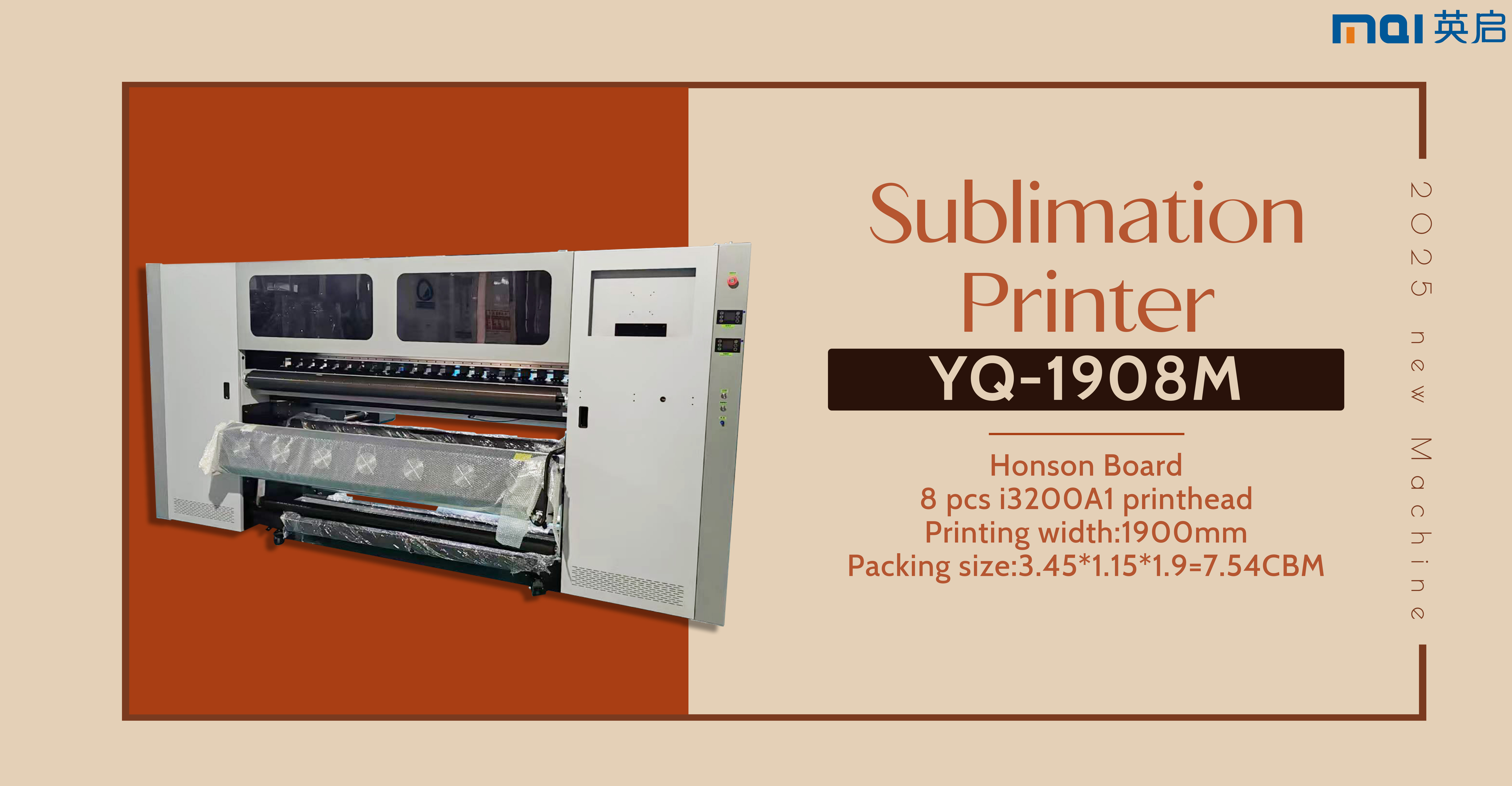
Understanding Sublimation Printer Technology and How It Works for T-Shirts
How Dye Sublimation Printers Work in T-Shirt Printing Workflows
Dye sublimation printers work by heating solid ink until it turns into gas around 380 to 400 degrees Fahrenheit. When this happens, the dye actually gets absorbed into the polyester fibers at a molecular level. What makes this process special is that it produces really bright colors across the entire fabric surface while keeping the original texture intact. Traditional methods basically paint color onto fabrics, but with sublimation printing, the color becomes part of the material itself. That's why these prints tend to last through multiple washes without fading away completely. Most people who've tried both techniques notice how much better sublimated prints hold up over time compared to regular screen printed items hanging around their closets.
- Printing designs onto coated transfer paper
- Aligning transfers with polyester garments
- Applying heat and pressure via a press for 45â60 seconds
Prints from leading systems retain up to 95% color after 50 washes (Textile Printing Association 2023), making this method ideal for performance apparel.
Piezoelectric vs Thermal Printing Technology: Implications for Fabric Printing
Printhead technology significantly affects color precision and scalability:
| Technology | Ideal For | Print Speed | Color Accuracy |
|---|---|---|---|
| Piezoelectric | Complex gradients | Moderate | ±0.5% ÎE |
| Thermal | High-volume orders | Fast | ±2.0% ÎE |
Piezoelectric printheads use micro-vibrations to control ink droplets, supporting 1440 dpi resolution for photorealistic output. Thermal systems offer faster speeds suited for bulk production but may struggle with subtle tonal transitions common in fabric designs.
The Role of Resolution and Print Quality in Vibrant T-Shirt Designs
Resolution (measured in dpi) directly impacts design sharpness:
- 600ÃÂ600 dpi: Suitable for basic geometric patterns
- 1440ÃÂ1440 dpi: Recommended for photorealistic skin tones and textures
Higher resolutions minimize pixelation on stretched fabrics but increase ink consumption by 18â22% (Dye-Sub Times 2022). For gradient-rich artwork, 8-color ink systems maintain 99% Pantone® Matching System (PMS) accuracy, outperforming 6-color systems, which achieve 91%.
Why Print Speed and Production Efficiency Matter for Small Businesses
Small businesses benefit from printers that balance speed and precision:
- 16â20á/hour: Best for custom runs (1â50 units)
- 40+á/hour: Designed for wholesale batches
According to a 2023 NAPCO Research study, variable droplet technology reduces production waste by 33% while maintaining 98.7% batch-to-batch color consistency. Leading workflow guides recommend pairing printers with automated transfer feeders to eliminate manual alignment errors.
Key Features to Look for in a Sublimation Printer for T-Shirt Production
When selecting a sublimation printer for t-shirt production, prioritize features that directly impact output quality and operational efficiency.
Evaluating Ink System and Color Range in Sublimation Printer Models
The ink system determines vibrancy and longevity. Choose printers with CMYK or expanded gamut configurations (CMYK+Orange/Green) to cover up to 98% of the Pantone Matching System. High-performance dye-sublimation inks must remain chemically stable at 400°F during heat pressing without pigment degradation.
Importance of Ink Compatibility With Sublimation Printers and Transfer Papers
Ink and paper mismatches cause 63% of print defects (Textile Printing Association 2024). Verify that your printer’s firmware supports your chosen sublimation paper weight (90â130gsm) and ink formulation. Acid-free, low-viscosity inks help prevent nozzle clogs during extended production runs.
Maximizing Results With High Color Accuracy and Consistent Print Quality
Select models equipped with built-in spectrophotometers for automatic color calibration. Printers achieving â ² ÎE (color deviation) deliver professional-grade results, essential for matching brand-specific colors accurately.
Printer Size and Maximum Print Area: Matching Your T-Shirt Design Needs
For full-front adult t-shirt designs (typically 16"x20"), opt for printers handling 13"x19" sheets. Compact 8.5"x11" models are better suited for children’s apparel with smaller graphics. Ensure adequate platen clearance when working with thicker polyester blends (â Â¥180g/m²).
Fabric and Media Requirements for Successful Sublimation T-Shirt Printing
Why Polyester and Polymer-Coated Materials Are Essential for Sublimation
The sublimation process works best when synthetic fibers actually bond with the gaseous ink. When heated, polyester molecules kind of open up, letting the dye penetrate deeply into the fabric. According to a recent study from Printful in 2023, their tests showed something interesting about fabric durability. Shirts made with at least 85% polyester kept around 32% more vibrant colors even after being washed fifty times compared to those cotton blends we all know and love. Now, what about those natural fabrics like cotton? Well, they need some help since they don't absorb dyes the same way. Manufacturers apply special polymer coatings to create this fake surface that acts somewhat like polyester would. Without treatment, regular cotton just can't hold onto color very well, getting only about 14% of what polyester manages. That's why these coatings become essential when working with mixed material fabrics.
Matching Sublimation Printer Capabilities With Transfer Paper Types
Transfer paper compatibility varies by printer. Heavyweight papers (â Â¥120 gsm) can jam entry-level models designed for â ¢90 gsm media, while low-absorption papers may bleed on high-flow ink systems. Key factors include:
- Nozzle size (affects droplet volume)
- Operating temperature (impacts coating stability)
- Sheet feed mechanism (influences alignment)
Testing Media Compatibility to Avoid Print Defects on Garments
Conduct A/B tests using 12â12â fabric swatches under default settings. Use a spectrophotometer to measure color accuracy and inspect for mottling or ghosting post-pressing. A 2022 garment printing study revealed 68% of sublimation defects stem from incompatible media, underscoring the value of pre-production testing.
Top Sublimation Printers Compared: Best Options for T-Shirt Businesses
Sawgrass SG1000: Performance, ease of use, and beginner-friendly setup
The Sawgrass SG1000 simplifies entry into t-shirt printing with automated color calibration and intuitive setup. Its 9.5-second per-page speed and integrated design software reduce the learning curve. Proprietary ink systems ensure reliable results across 500+ fabric types.
Epson F570 Pro: Precision, durability, and integration into professional workflows
Equipped with industrial piezoelectric printheads, the Epson F570 Pro delivers 98% color accuracy on polyester blends (2025 textile benchmarks). Oversized cartridges support continuous operationâvalidated in commercial trials for up to 72 hours without interruption.
Comparing cost-effectiveness and ongoing ink expenses across models
| Factor | Entry-Level Models | Mid-Range Models | Professional Systems |
|---|---|---|---|
| Cost per 100 prints | $18â$22 | $12â$15 | $8â$10 |
| Annual ink costs | $1,200â$1,500 | $800â$1,000 | $600â$750 |
| Data reflects 2024 North American sublimation ink market averages |
Real-world case study: ROI for small shops using Epson vs Sawgrass systems
A 12-month analysis of 140 boutique print shops showed systems using third-party inks reached breakeven 35% faster than those with proprietary inks. Shops using CMYK+LcLm configurations achieved 27% higher profit margins due to reduced material waste.
Controversy Analysis: Proprietary ink systems vs open-ink sublimation printers
While locked ink systems offer 99.9% nozzle reliability (Printing Industries of America, 2023), open-ink alternatives cut costs by 40â60% for high-volume users. Recent industry testing shows modern hybrid models now achieve comparable colorfastness (ÎE â 2.5) over 500 wash cycles, challenging long-held assumptions about quality trade-offs.
Integrating Your Sublimation Printer Into a Complete T-Shirt Workflow
The Necessity of a Heat Press in the T-Shirt Sublimation Process
Commercial grade heat presses work by applying just the right amount of heat around 380 to 400 degrees Fahrenheit along with pressure to turn those printed transfers into lasting designs on fabric. According to Textile Technology Quarterly from last year, this heating process actually makes up about forty percent of what determines how vibrant and long-lasting colors will be on polyester clothing. The whole sublimation thing works because the ink turns into gas and gets absorbed into the fabric, which simply won't happen unless there's enough continuous heat applied. When looking at businesses making over a hundred shirts each day, switching to hydraulic presses equipped with automatic timers cuts down on mistakes made by people by roughly two thirds when compared to those old fashioned manual clamshell models most folks still use.
Streamlining Production Workflows for Faster Turnaround Times
Aligning printer throughput with downstream pressing prevents idle time. Synchronized workflows using automated calibration and preset press profiles reduce production cycles by 34% (2024 Apparel Production Benchmark Report). Real-time monitoring of ink levels and press temperatures eliminates 19% of common workflow disruptions in small-scale operations.
Minimizing Bottlenecks Between Sublimation Printer Output and Pressing Stage
Strategic equipment layout is key: placing printers within 8 feet of heat presses avoids premature ink drying. Parallel processingâwhere one operator handles printing and another manages pressingâincreases hourly output by 28% (Garment Production Journal 2023). Pre-staging blanks and using palletized transfer systems save 15 seconds per shirt in material handling.
Frequently Asked Questions (FAQ)
What is sublimation printing?
Sublimation printing is a process where dye is heated and transformed into gas, which then penetrates polyester fibers at a molecular level to produce vibrant, long-lasting prints.
What materials are suitable for sublimation printing?
Polyester and polymer-coated materials are essential for sublimation printing because they allow the dye to bond effectively. Natural fibers like cotton require special coatings to hold dyes.
What are the advantages of piezoelectric printhead technology?
Piezoelectric printheads offer moderate print speed and excellent color accuracy, making them ideal for producing complex gradients and photorealistic designs.
How does print resolution affect t-shirt designs?
Higher print resolutions lead to sharper, more detailed designs but may increase ink consumption.
Table of Contents
- Understanding Sublimation Printer Technology and How It Works for T-Shirts
- Key Features to Look for in a Sublimation Printer for T-Shirt Production
- Fabric and Media Requirements for Successful Sublimation T-Shirt Printing
-
Top Sublimation Printers Compared: Best Options for T-Shirt Businesses
- Sawgrass SG1000: Performance, ease of use, and beginner-friendly setup
- Epson F570 Pro: Precision, durability, and integration into professional workflows
- Comparing cost-effectiveness and ongoing ink expenses across models
- Real-world case study: ROI for small shops using Epson vs Sawgrass systems
- Controversy Analysis: Proprietary ink systems vs open-ink sublimation printers
- Integrating Your Sublimation Printer Into a Complete T-Shirt Workflow
- Frequently Asked Questions (FAQ)