
 EN
EN
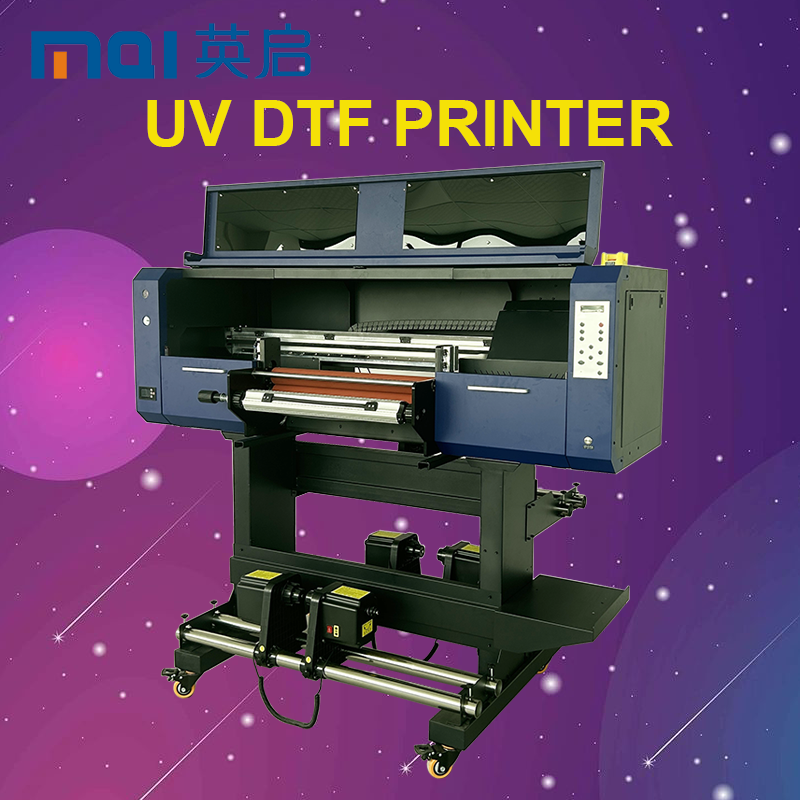
Production Capacity: Speed, Width, and Uptime for Reliable UV DTF Printing
Real-World Throughput vs. Advertised Speed: How CMYK+White+Varnish Layering Affects UV DTF Printer Output
The print speeds listed in advertisements don't usually match what actually gets produced when working with UV DTF printing. Every extra layer that goes on top of the basic CMYK colors needs its own curing pass. We're talking about the white underprint layer and then the varnish coat on top too. This whole process cuts down on how much can be printed in a day by around 35 to 40 percent compared to just doing regular four-color printing according to the Industry Efficiency Report from 2024. For businesses running high volume jobs, getting good results means focusing on several key things at once. The printheads need to maintain accurate droplet placement even when running fast for extended periods. They also require systems that can cure multiple layers simultaneously instead of waiting for each one individually. And let's not forget about keeping those nozzles clear through automated ink circulation systems during lengthy print sessions. Getting all these elements right together is what ultimately decides how much output a facility can realistically achieve day after day.
Print Width and Automated Film Handling: Key ROI Drivers for E-Commerce and Industrial UV DTF Printing
UV DTF printers designed for production scale and featuring 64 inch wide printing capabilities make it possible to process batches containing all sorts of products together. Think phone cases alongside larger items like signage panels in one go. The automation of film handling means no need for hands-on work anymore, which cuts down on labor time significantly around the shop floor maybe saving close to two full days each week depending on setup. When looking at what these machines can do for different markets, their optimized width lets e-commerce businesses transfer several small items across in just one pass through the printer. Meanwhile industrial operations get something else entirely from them continuous roll to roll systems that can manage film rolls stretching over 300 meters long and keep running non stop day after day. And let's not forget about those vacuum belts combined with optical registration technology they really help maintain quality even when pushing the machine to its maximum speed limits during busy periods.
Uptime Benchmark: Field Data from High-Volume UV DTF Printer Operations
Field tests at three printing plants showed that top UV DTF printers hit about 98.2% monthly uptime over full year production runs. The machines stay so reliable thanks to their modular parts which let technicians swap printheads in under 45 minutes. They also come with smart maintenance features that catch problems before they become serious headaches. Plus there's this clever dual ink system that keeps things running smoothly when changing cartridges. And remember, just a small 2% dip in uptime translates to roughly $24,000 lost each month due to missed print jobs according to industry standards. That's why keeping these printers going nonstop is absolutely essential for most operations.
Substrate Versatility and Scalability: Critical UV DTF Printer Selection Criteria
Beyond Polyester: Validated UV DTF Printer Performance on Rigid PVC, Metal Sheets, and Textile-Blended Composites
For UV DTF printers to be worth the investment, they need to produce reliable prints on all sorts of different materials. When working with rigid PVC, getting the ink to stick properly is critical so nothing starts peeling when subjected to stress. Metal sheets present another challenge entirely since they need special curing processes to achieve those durable, scratch resistant finishes we all want. Textile blended composites are tricky too because of their bumpy surfaces. These materials demand printers that can adjust droplet size and placement to hit that sweet spot of about 98% color accuracy. Print shops that handle jobs with multiple material types actually save around 40% on equipment expenses versus buying separate machines for each substrate type. And let's not forget about testing. The performance on these unconventional materials really matters. Anyone serious about making a purchase should always ask for independent test results first. Look specifically for reports that document how well prints hold up after repeated washing and scrubbing tests.
From Single Unit to Production Cluster: Scalable UV DTF Printer Integration with Shared RIP and Workflow Automation
When it comes to scaling up from just one UV DTF printer to running full production clusters, scalability makes all the difference while keeping quality intact. Most shops find that centralized RIP software works wonders for coordinating color profiles and print queues between different machines, which basically puts an end to those frustrating batch inconsistencies we've all dealt with before. Automating workflows means cutting and laminating can happen seamlessly together, so even complex orders get handled around the clock. Some facilities report getting their jobs done 30 percent quicker this way. For companies dealing with sudden spikes in online orders, production clusters equipped with shared material handling systems typically hit around 92% utilization rates. That kind of efficiency really matters during peak seasons. Looking ahead, it's worth investing in systems that have good API connections since they'll make integrating everything into existing ERP or warehouse management platforms much smoother down the road.
Comprehensive After-Sales Support for UV DTF Printers: Warranty, Parts, and Expert Assistance
Long-Term Confidence: 12-Month Comprehensive Warranty + 8-Year Guaranteed Spare Parts Availability for UV DTF Printers
The industrial printing world needs solid support structures that can handle the daily grind. Most manufacturers offer a full year warranty on key parts like printheads, curing units, and all those moving mechanical bits. This coverage handles any factory flaws that show up during those intense operation periods when machines are running flat out. But what really matters is something else entirely. The big deal here is that parts will still be available for eight whole years. No one wants their printer sitting idle because they can't find replacement parts anymore. When a company backs its equipment with this kind of long-term support, it shows real confidence in how tough these machines actually are. For shops doing massive volumes of UV DTF printing, this means saving serious money over time without constantly replacing entire systems just because parts became obsolete.
Proactive Technical Support: Live Remote Diagnostics, Onsite Installation, and Tier-2 Emergency Hotline (<2-Hour Response)
Getting quick technical help keeps production running smoothly when problems pop up. With live remote diagnostics, our techs can jump on software hiccups or calibration mistakes as they happen, no waiting around needed. When new printers arrive, certified engineers handle the onsite setup making sure everything is positioned right for maximum efficiency in the workflow. If something really goes wrong, we have a special emergency line for serious issues that gets someone out there within two hours flat. Our system works pretty well too resolving about 9 out of 10 problems before they cause any downtime at all. This means factories working with those tough UV DTF applications can stick to their output goals even when unexpected challenges arise during operation.
Frequently Asked Questions (FAQ)
What is UV DTF printing?
UV DTF printing is a process that uses ultraviolet light to cure ink on direct-to-film (DTF) substrates, allowing for high-quality and durable prints on various materials.
How does print speed affect UV DTF printer output?
Each layer in UV DTF printing requires its own curing pass. Additional layers, like white underprint or varnish, reduce daily output by about 35 to 40% compared to standard CMYK prints.
Why is substrate versatility important for UV DTF printers?
Versatility allows printers to work on diverse materials like rigid PVC, metals, and textiles, offering reliability and cost savings by eliminating the need for multiple devices.
What are key considerations for purchasing a UV DTF printer?
Key factors include production capacity, print width, uptime reliability, substrate versatility, scalability, and comprehensive after-sales support.
How do automated film handling systems benefit printing operations?
Automated systems reduce labor time and improve efficiency by allowing continuous operation without direct human intervention, beneficial for both e-commerce and industrial applications.
What does comprehensive after-sales support typically include?
Support often encompasses warranties, guaranteed spare parts availability, live remote diagnostics, onsite installation, and emergency hotline services for technical issues.
Table of Contents
- Production Capacity: Speed, Width, and Uptime for Reliable UV DTF Printing
- Substrate Versatility and Scalability: Critical UV DTF Printer Selection Criteria
- Comprehensive After-Sales Support for UV DTF Printers: Warranty, Parts, and Expert Assistance
-
Frequently Asked Questions (FAQ)
- What is UV DTF printing?
- How does print speed affect UV DTF printer output?
- Why is substrate versatility important for UV DTF printers?
- What are key considerations for purchasing a UV DTF printer?
- How do automated film handling systems benefit printing operations?
- What does comprehensive after-sales support typically include?