
 EN
EN
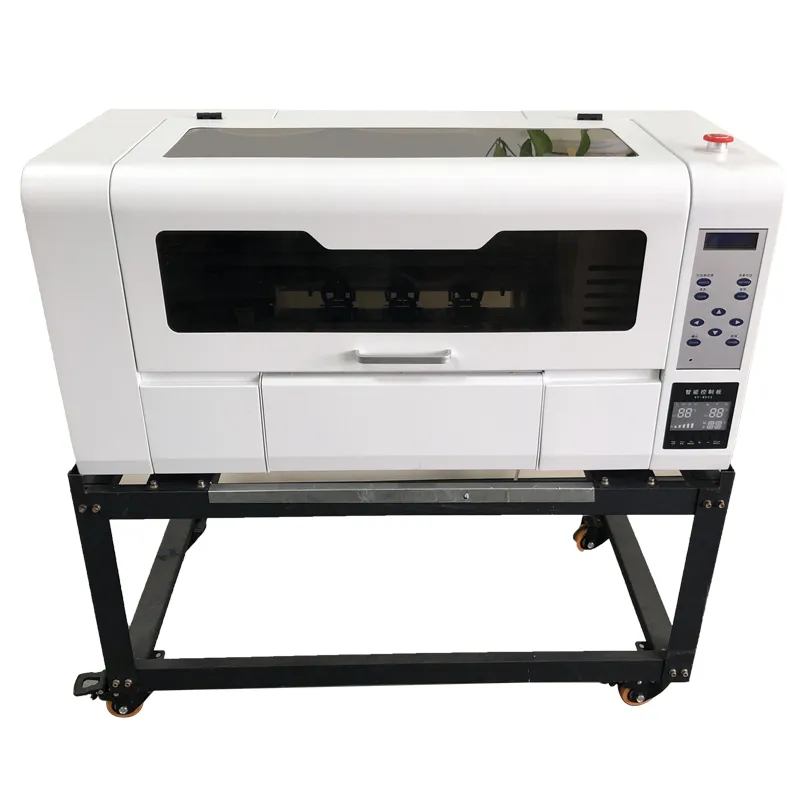
Mechanical Precision: How Plotter Hardware Enables Accurate Vinyl Cutting
Adjustable blade depth and cutting force for clean, burr-free vinyl cuts
Getting good results from vinyl cutting really comes down to how well the blade cuts into the material. Today's cutting machines can adjust blade depth within about 0.1mm accuracy thanks to those tiny adjustment mechanisms that stop materials from tearing but still cut all the way through the vinyl layer. The right amount of pressure matters too. Most folks find that somewhere between 20 and 500 grams works best. Lighter pressure is fine for thin, delicate films, whereas thicker heat transfer vinyl needs more oomph to get clean edges. Experienced operators tweak these settings depending on what they're working with, looking at both thickness and how smooth or textured the surface is. This kind of careful adjustment actually saves around 18% in material waste when compared to older fixed pressure systems according to what most manufacturers report.
Drag-cut vs. servo-driven motion: trade-offs in speed, accuracy, and plotter reliability
When it comes to cutting vinyl, there are basically two main ways machines move around: drag cut and servo driven systems. Drag cut plotters work by using the tension in the material itself to guide where the blade goes. They're great when speed matters most for those intricate shapes, but they tend to struggle with really tight corners or when running long pieces of material. On the other hand, servo driven plotters have motors that directly control where the blade cuts. This gives much better accuracy overall, staying within about 0.1mm even after cutting 10 meters straight. That kind of precision makes all the difference for big jobs like wrapping cars or making large signs. Sure, servos aren't as fast as drag cuts at their top speed maybe 15 to 20 percent slower actually but what they lose in speed they gain in reliability. Most shops find that these machines last about 40 percent longer between breakdowns during heavy use, which is why many manufacturers stick with them for their busy production lines.
Material Intelligence: Optical Registration, Vacuum Stability, and Vinyl-Specific Handling
Modern plotter systems now come equipped with smart material recognition features that tackle the tricky nature of vinyl work. These materials tend to stretch, vary in texture, and change dimensions when heated or stressed. The optical sensors in these machines can spot those tiny alignment marks we print out there on the material, usually within about 0.1mm accuracy range. This lets them make really clean cuts around complex shapes needed for things like car wraps or those special perforated stickers people want nowadays. Vacuum tables hold everything steady even during fast movements across the sheet. And there's this clever parameter adjustment system that actually learns as it goes along, making corrections for when materials either stretch out or shrink back after being cut. All this means our cuts stay sharp and accurate whether we're working on the very first piece or finishing up the last roll of material.
Optical sensors and contour cutting for precise registration mark recognition on printed vinyl decals
Optical sensors with high resolution work alongside smart image processing software to spot those registration marks pretty consistently, even when lighting changes or prints aren't perfectly aligned. The system keeps adjusting the cutting path based on where it finds these marks, so everything stays properly registered throughout processes like kiss cutting, making perforations, or creating multi-layer decals. When dealing with vinyl that gets stretched out or warped from heat, this kind of adjustment becomes really important. Without it, we might end up with cuts that go too deep into the backing sheet or leave parts of the design incomplete, which definitely messes up how well the final product applies to surfaces.
Vacuum table performance and media adhesion control for high-speed vinyl plotter operation
Vacuum tables with zoning capabilities provide focused suction between 0.8 to 1.2 psi over their whole surface area, which keeps different types of vinyl materials like calendered, cast, and textured varieties firmly in place without any warping or distortion. The powerful high flow pumps ensure that the holding force remains steady even when there are quick directional shifts or sudden accelerations, allowing for smooth cutting operations at speeds above 60 centimeters per second. With this kind of stability, problems caused by material slippage on various finishes such as glossy, matte, or embossed surfaces get significantly reduced. As a result, manufacturers experience far less waste from alignment issues in their production lines where output volumes are consistently high.
Adaptive Tooling & Parameter Control: Optimizing Plotter Performance Across Vinyl Types
Blade compatibility and automatic tool recognition in modern plotters
Today's plotting machines come with interchangeable cutting tools including standard cutters, creasing blades, and perforation options. The system automatically recognizes which tool is installed so there's no need to mess around with manual settings that often go wrong. When the machine detects the right tool, it adjusts force levels, angles, and speeds on its own as soon as the blade engages. For those tricky curved designs, these modern plotters adjust the blade angle while moving along complex shapes. This keeps the cutting path accurate within about 0.1mm precision even when working on rough or irregular materials. Setup times get slashed compared to older manual systems, sometimes cutting down preparation work by almost three quarters depending on what needs doing.
Dynamic pressure/speed calibration for vinyl variants
Different kinds of vinyl need different handling when it comes to machinery settings. Cast vinyl works best with lighter pressure around 150 to 250 grams and slower speeds so it doesn't stretch out too much. Calendered vinyl can take a beating though, handling pressures up to 300-450 grams and moving through machines about 40% faster which makes sense for large production runs. Heat transfer vinyl falls somewhere in between these extremes but needs careful temperature control to keep the adhesive properties intact. Modern cutting plotters have gotten pretty smart lately, automatically adjusting themselves based on what kind of material they detect. These machines use sensors to check thickness as they go along while pulling from preset profiles for various materials. This helps maintain that perfect kiss cut depth everyone wants, creates cleaner edges, and reduces waste overall. The savings really matter when working with fancy metallic or reflective vinyl that costs over fifteen dollars per square foot at retail stores.
Software Integration: How Plotter Workflow Software Ensures Consistent Vinyl Cutting Precision
Workflow software takes design files and turns them into repeatable, high quality cuts by combining smart hardware with automated processes. The system automatically changes blade pressure and cutting speed depending on what material is being used and how thick it is. This stops problems like cutting too much through thin materials or not getting clean cuts through tougher stuff. Special calibration features keep watching for any issues with the material as it goes through the machine, maintaining around 0.1mm accuracy even during long production runs. There's also optical registration that lines up printed designs with where they need to be cut, plus automatic tools that switch between different operations like cutting, creasing, and making holes without anyone needing to step in. When compared to old fashioned manual methods, these integrated systems cut down on mistakes by somewhere between 30% and 50%. That means better results when working on detailed stickers, tiny text, or complicated multi part graphic projects.
FAQ
What is the benefit of adjustable blade depth in vinyl cutting?
Adjustable blade depth allows for precise control over cutting through different materials, preventing tearing while ensuring complete cuts through the vinyl layer.
How do optical sensors improve vinyl cutting?
Optical sensors enhance precision by monitoring and adjusting cutting paths in response to registration marks, ensuring accurate designs even on misaligned or stretched materials.
Why do servo-driven plotters provide better accuracy than drag-cut machines?
Servo-driven plotters have motors that directly control blade motion, maintaining high precision over long distances, while drag-cut machines rely on material tension, which may affect accuracy on intricate designs.
How does workflow software contribute to vinyl cutting precision?
Workflow software ensures precision by using smart hardware integrations to automatically adjust blade pressure and cutting speed based on material type and thickness, significantly reducing errors.
Table of Contents
- Mechanical Precision: How Plotter Hardware Enables Accurate Vinyl Cutting
- Material Intelligence: Optical Registration, Vacuum Stability, and Vinyl-Specific Handling
- Adaptive Tooling & Parameter Control: Optimizing Plotter Performance Across Vinyl Types
- Software Integration: How Plotter Workflow Software Ensures Consistent Vinyl Cutting Precision
- FAQ