
 EN
EN
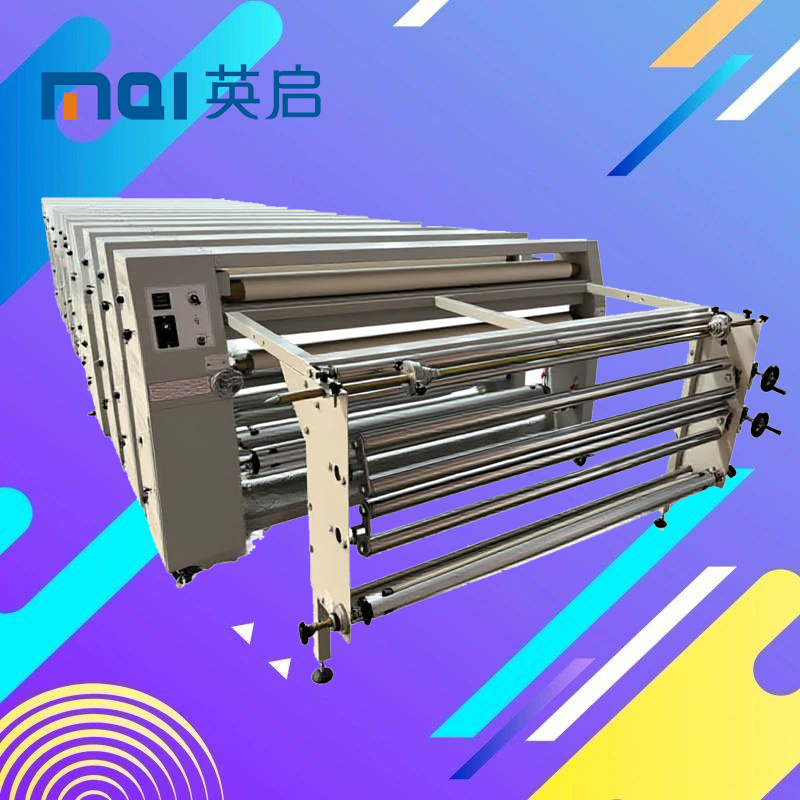
Varför HPGR-minskar den specifika energiförbrukningen med 20–35 % jämfört med kulanät
Mekanismen bakom energibesparingen: Kompressionsgrinding jämfört med slag-/attritionsgrinding
Högtryckskivmalmaskinerna, eller HPGR (eng. high pressure grinding rolls), som de ofta kallas, fungerar mycket bättre när det gäller energibesparing jämfört med traditionella kulanmalmaskiner. Kulanmalmaskiner bygger i princip på att krossa material genom hög energianvändning för stötpåverkan och gnidning, där malkulorna studsar runt mot malmassan. HPGR-metoden är däremot annorlunda: den pressar materialet mellan två stora rullar som roterar åt motsatta håll. Det som händer här är ganska intressant – rullarna skapar mikroskopiska sprickor i malmassan vid mycket höga tryck, cirka 100–300 MPa, vilket faktiskt fokuserar största delen av energin exakt där den behövs för att bryta ned materialet, istället för att slösa bort den på andra sätt. Studier har visat att denna typ av kompressionsmalmning kan minska energiförbrukningen med cirka 30–40 procent jämfört med vanliga stötbaserade metoder för att uppnå liknande resultat. Kulanmalmaskiner tenderar att förlora mycket energi som värme, generera mycket buller och slösa bort energi på slumpmässiga kollisionshändelser mellan kulorna som inte bidrar till malmprocessen. HPGR-tekniken minskar därför vanligtvis energikostnaderna med 20–35 procent samtidigt som den minskar bildningen av oönskade finpartiklar och ger en betydligt mer enhetlig slutprodukt överlag.
Verklig validering: Fallstudier från cement- och mineralprocessning
Potentialen för energibesparing med HPGR-teknik är väl dokumenterad inom cement- och mineralprocessningsverksamhet världen över. Cementtillverkare har sett minskningar i energiförbrukningen på mellan 25 och 30 procent när de ersatt sina sekundära eller tertiära kulanläggningar med HPGR-kretsar. Kopparkoncentratorer visar liknande fördelar, där HPGR-installationer enligt faktiska mätningar på plats (kWh per ton) minskar den specifika energiförbrukningen med cirka 20–35 procent jämfört med traditionella slipmetoder. Guldprocessanläggningar rapporterar också besparingar inom dessa intervall samt ytterligare fördelar, såsom minskad vattenförbrukning och betydligt mindre anläggningsytor. Med alla dessa konkreta förbättringar som observeras i verkliga driftsförhållanden står HPGR-tekniken ut som en praktisk lösning för att minska energikostnaderna samtidigt som man gör verklig framsteg mot hållbarhetsmålen inom gruvsektorn.
Optimering av integrationen av värmeöverföringsmaskiner för att minimera värmeförluster
Hur avancerade värmeöverföringsmaskiner återvinner och återcirkulerar spillvärme
Utrustning för värmeöverföring idag minskar slösad termisk energi tack vare smarta system för återvinning av spillvärme. Dessa system hämtar i princip extra värme som annars skulle släppas ut i luften och använder den på ett nytt sätt på andra ställen. Slutna vätskesystem plockar upp denna återstående värme precis där den är mest relevant i processer och vidarebefordrar den till platser som behöver uppvärmning eller ytterligare värmetillskott. Genom att återanvända den värme som redan finns istället for att skapa helt ny värme sparar företag pengar på sina energikostnader. Värmeväxlare med förbättrad form ger mer effektiva kontaktytor, och smarta flödesregleringar accelererar processen när det behövs. Anläggningar inom cement- och mineralbranschen rapporterar att de minskat sina extra uppvärmningsbehov med cirka 20–30 procent genom att använda dessa metoder. Vissa anläggningar har till och med börjat integrera fasändringsmaterial som absorberar värme när verksamheten är i full gång och sedan frigör den lagrade värmen tillbaka i systemet vid plötsliga ökningar av efterfrågan.
Synergi med HPGR: Anpassning av termiska lastprofiler för systemomfattande effektivitet
När högtryckskulvertar komprimerar malm uppstår, som förväntat, mycket friktionsvärme. Denna typ av värme är helt i linje med vad värmetransferanläggningar kan hantera. Att integrera HPGR:er med värmepåtervinningssystem gör det möjligt för bearbetningsanläggningar att sänka sina totala energikostnader. Värmetransferutrustningen fångar upp all den extra värmen som byggs upp i slipområdet – vilket vanligtvis ligger mellan cirka 150 grader Celsius och kanske 200 grader – och vidarebefordrar denna värme till ställen där den kan utnyttjas på ett effektivt sätt istället for att slösas bort.
- Fördröjning av råmaterial innan torkning
- Underhåll av slurryns temperatur
- Anläggningsuppvärmningskrav
Tillvägagångssättet med termisk symbios eliminerar behovet av traditionell kylning i HPGR-drift och tillhandahåller faktiskt vad vissa kan kalla "gratis" processvärme till andra delar av systemet. När lastprofilerna stämmer överens på rätt sätt extraheras spillvärmen precis då malningen sker, så att allt förblir inom det rätta temperaturområdet. Vi har sett att detta fungerar väl i kopparkoncentratorapplikationer, där kombinationen av HPGR och värmeåtervinningssystem minskar de termiska kostnaderna med cirka 2,8 USD per ton bearbetad material. Den totala energianvändningen sjunker enligt fälttester som utförts där med mellan 15 % och kanske till och med 25 % jämfört med att driva dessa system separat.
Maximera avkastningen på investeringen genom lågenergiteknologier som möjliggör effektiv drift
Servoelektriska aktuatorer jämfört med hydrauliska system: Kostnader under livscykeln och noggrannhetsavvägningar
Servo-elaktuatorer erbjuder bättre energieffektivitet jämfört med traditionella hydrauliska system, vilket minskar den driftrelaterade energianvändningen med 25–40 % under utrustningens livslängd. Även om hydrauliska lösningar har lägre initiala kostnader ger servo-elaktuatorer:
- Precisionskontroll (±0,01 mm upprepbarhet), vilket minimerar materialspill
- 60 % lägre underhållskostnader , eliminerar läckage av vätska och fel på grund av slitage
- Energåtervinning , omvandlar bromsrörelse till återanvändbar elektrisk energi
Kompromissen är en högre första investering – vanligtvis en premium på 20–30 % – men livscykelanalyser visar att återbetalning sker inom 3–5 år vid kontinuerlig drift.
Bästa praxis för VFD-ombyggnad: Uppnå återbetalning på mindre än 14 månader
Att uppgradera gamla motorer med frekvensomriktare (VFD) ger fortfarande företag den snabbaste avkastningen på investerade medel. Titta på alla de fallstudier som finns där ute och visar en genomsnittlig återbetalningstid på lite mer än ett år. När det gäller att installera dessa system finns det några viktiga saker att komma ihåg. För det första är hanteringen av harmoniskt störningar avgörande, vilket är anledningen till att många anläggningar väljer 12-puls-konfigurationer. Sedan gäller det att fastställa exakt vilken typ av lastprofil som är lämplig för varje applikation, så att VFD:n inte blir för stor eller för liten i förhållande till den vridmoment som motorn faktiskt behöver. Anläggningar som följer detta tillvägagångssätt ser konsekvent att deras energikostnader sjunker med mellan 22 % och 35 %, särskilt märkbart i områden där material flyttas runt kontinuerligt under hela dagen.
| Fabrik | Hydrauliskt system | Servoelektrisk |
|---|---|---|
| Energieffektivitet | 40–60 % systemeffektivitet | 80–90 % systemeffektivitet |
| Precisionskontroll | ±0,1 mm tolerans | ±0,01 mm tolerans |
| Underhållskostnad | 18 000 USD/år i genomsnitt | 7 000 USD/år i genomsnitt |
Källa: Motion Control Total Cost Analysis 2024
Vanliga frågor
Vad är den främsta fördelen med HPGR jämfört med traditionella kulanläppar?
HPGR-utrustning ger en betydande minskning av energiförbrukningen, vanligtvis mellan 20 % och 35 %, jämfört med kulanläppar.
Hur bidrar värmeöverföringsutrustning till energieffektivitet?
Värmeöverföringsmaskiner återvinns spillvärme och återcirkulerar den för andra processer, vilket minskar behovet av ny energitillförsel.
Vilka fördelar har servoelektriska aktuatorer?
Servoelektriska aktuatorer ger exakt styrning med lägre underhållskostnader och möjlighet till energiåtervinning, trots högre initiala kostnader.