
 EN
EN
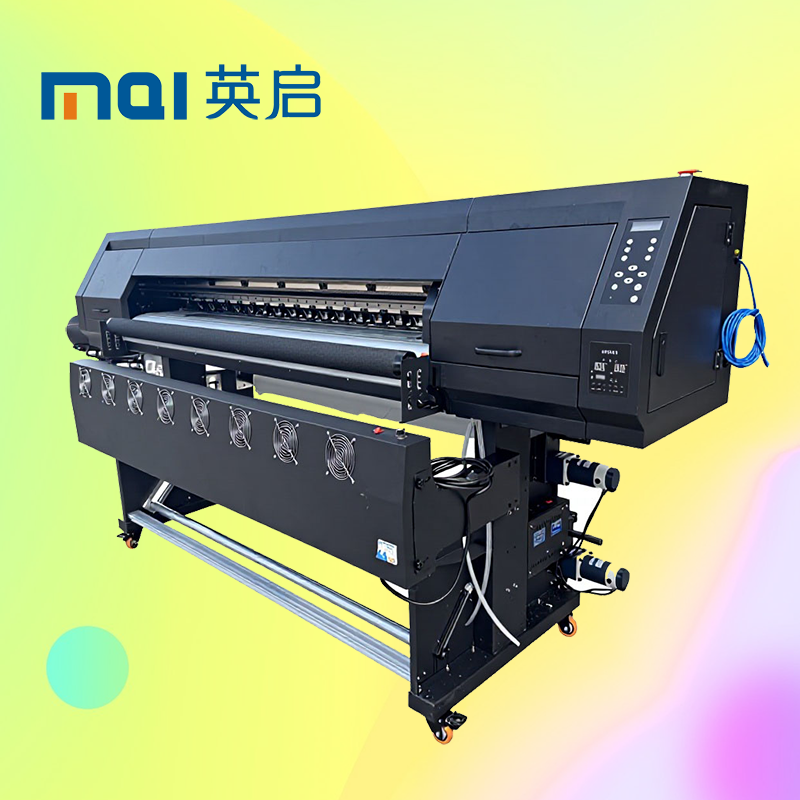
Varför sublimeringsprinters dominerar högvolymsproduktion av polyester
Vetenskapen bakom färgdiffusion: permanent, levande och skalbar bindning
Vad som gör sublimeringsprintning så effektiv för tyg beror på hur färgämnen interagerar med material vid höga temperaturer. Vid cirka 204 °C omvandlas det fasta färgämnet direkt till gas utan att först gå igenom en vätskefas. Denna gasform tränger sedan in i polyesterfibrerna. Värmen får de långa polymerkedjorna i tyget att kortvarigt separera, vilket gör att färgmolekylerna kan tränga in innan allt svalnar och återförsluts. Eftersom bilden blir en del av tyget självt, snarare än att ligga på ytan som vanliga inkjetutskrifter, får vi färger som håller längre och känns mycket mer naturliga mot huden.
- Permanent tryck som är motståndskraftiga mot sprickbildning efter 50+ tvättar
- 90 % eller mer färgretention i accelererade blekningsprov (AATCC TM16-2016)
- Levande, fotografiaktiga nyanser som inte går att uppnå med yttre appliceringsmetoder
- Lösningsorienterad skalbarhet från prototyper till partier om 10 000 enheter
Hela konceptet bygger egentligen på polyesterens syntetiska, icke-avsmältande egenskaper. Den kristallina strukturen hos dessa polymerer fungerar faktiskt som små fångare för de gasformiga färgpartiklarna under processen. Bomull och andra naturliga fibrer interagerar helt enkelt inte på molekylär nivå, vilket är anledningen till att de inte fungerar korrekt med verkliga sublimationstekniker. Denna specifika kemiska relation mellan polyester och färger grundar sig på något mycket intressant vetenskapligt område som involverar polymerer och värmeöverföringsprinciper. Det är i princip detta som gör sublimationsprintning så effektiv när det gäller att skapa långvariga, detaljrika mönster på polyesterväv. De flesta professionella inom textilindustrin betraktar fortfarande denna metod som den bästa tillgängliga för att få skarpa, levande dekorationer som tål slitage och tvätt över tid.
Genomströmningsfördelar: integrering i linjen, minimal efterbehandling och konsekvent kvalitet
För volymtillverkning ger sublimeringsprinters en oöverträffad arbetsflödeseffektivitet. Industriella enheter integreras direkt med automatiserade produktionslinjer – tyg rör sig kontinuerligt från tryckning till värmepressning utan manuell hantering. Viktiga fördelar inkluderar:
- Inline-bearbetning , vilket eliminerar flaskhalsar mellan stationer
- Omedelbar driftklarhet , vilket undviker härdnings-, tvätt- eller torkningssteg som krävs vid silkskärms- eller DTG-metoder
- Nära noll avfall , tack vare digital precision och realtidsreglering av registrering
| Utmätning av resultat | Sublimationsmaskin | Traditionella Metoder |
|---|---|---|
| Enheter/timme | 500+ | 50–100 |
| Monteringstid | Minuter | Timmar |
| Defektrate | <1% | 3–5% |
Konsistensen förstärks av digital färgstyrning: automatisk ICC-profilering och spektrofotometrisk validering säkerställer identisk nyans och täthet över tusentals enheter. Lean-manufacturinggranskningar bekräftar mindre än 0,5 % färgavvikelse i serier som överstiger 20 000 enheter – ett bevis på att minskad mänsklig ingripande stärker, snarare än kompromissar, kvalitetsjämnheten.
Skalbarhet för sublimeringsprinters: Från enskilda enheter till industriella linjer
Nyckelhårdvarufaktorer: Skrivhuvudkonfiguration, mediabehandling och RIP-optimering
Skalbarhet bygger på tre integrerade hårdvarupelare:
- Skrivhuvudkonfiguration : Flerradiga skrivhuvudanordningar med högfrekvent piezoteknik möjliggör industriell genomströmning samtidigt som mikronnivåns droppprecision bevaras – avgörande för att bibehålla fina detaljer vid hög hastighet.
- Mediabehandlingssystem : Rulle-till-rulle-mekanismer stödjer kontinuerlig textiltryckning i bredd upp till 1,9 m; styva flatbäddsversioner kan hantera specialartiklar med 20 % snabbare cykeltider jämfört med manuell inläsning.
- RIP-optimering : Avancerade rasterbildsprocessorer automatiserar ICC-profilering och linjärisering, vilket minskar färgkalibrering från timmar till minuter – nödvändigt för att bibehålla färglivlighet och registreringsnoggrannhet i flerskifts- och långvarig produktion.
Tillsammans gör dessa element det möjligt att utvidga verksamheten sömlöst – från bänkmonterade provningsenheter till modulära, fabriksintegrerade produktionslinjer – utan att förlora bildkvalitet eller återproducibilitet.
Verklig världens referens: Produktionslinje på 50 000+ enheter/månad med automatiserad torkare och färgstyrning
En verifierad produktionsmodell visar hur integrerad hårdvara uppnår konsekvent högvolymig produktion:
- Kontinuerliga sublimeringsprinters för rullmateriel med bredd på 1,9 m och åtta synkroniserade printshuvuden bearbetar 480 enheter/timme
- Integrerade spektrofotometrar utför inline-färgvalidering var 50:e enhet och utlöser automatisk omkalibrering vid avvikelser större än ±0,5 ΔE
- Automatiserade transportbandstorkare bibehåller exakta fixeringstemperaturer på 205 °C (±3 °C variation), kalibrerade enligt underlagets vikt och vävtdensitet
Denna konfiguration ger 50 000+ polyesterkläder per månad , med felkvoter under 0,8 % enligt lean-manufacturinggranskning (anläggning certifierad enligt ISO 9001:2015). En sådan prestanda bekräftar att korrekt dimensionerade sublimeringslösningar överträffar manuella eller halvautomatiska alternativ med 75 % när det gäller konsekvens i genomströmning – och gör detta utan att kompromissa med färgintegritet eller tygets känsla.
Obs: Verkliga mått är sammansatta referensvärden som hämtats från granskade textiltekniska fallstudier som publicerats av American Association of Textile Chemists and Colorists (AATCC) och verifierats i ISO-certifierade produktionsanläggningar.
När sublimering inte är lämplig: Jämförelse av alternativ för polyester
Silkskrivning — kostnadseffektivitet jämfört med risk för färgmigration på polyester
Silktryck är ofta ganska kostnadseffektivt vid beställning av stora mängder enkla polyesterartiklar, främst för att de initiala installationsavgifterna sprids över tusentals exemplar. Problemet uppstår dock med vanliga plastisol-färger. Dessa har visat sig orsaka färgutsmetning på prestationspolyestermaterial, särskilt efter varma tvättcykler eller torkning i torkmaskin. Vissa företag försöker lösa detta genom att använda tillsatsmedel med låg härdningstemperatur och noggrant kalibrera sina ugnar enligt standarder som ASTM D4267. Men ärligt talat? Att upprätthålla så strikta kontroller är helt enkelt inte praktiskt möjligt för verkstäder som hanterar många olika små partier. Silktryck fungerar utmärkt för stora logoprintningar eller enfärgade underlag, men är mindre lämpligt för återgivning av detaljerade bilder, mjuka tonövergångar eller andningsfrämjande sportkläder som måste röra sig fritt med kroppen utan begränsningar.
DTF-teknik – Hastighet, flexibilitet och fördelar med kallavtagning för hybridarbetsflöden
Direktskrivning på film (DTF) fyller vissa ganska viktiga funktioner som varken sublimering eller traditionella metoder hanterar särskilt bra. Processen fungerar genom att man applicerar färg med lim på speciell PET-film, som sedan överförs till tyg med hjälp av en värmpress. Fungerar utmärkt även på mörk polyester – ingen behov av förbehandling, som de flesta andra metoder kräver. En fördel med DTF är kallavlossningsfunktionen, vilket förhindrar skador på känsliga tyger under uppvärmningen. Dessutom sker hela arbetsflödet från tryckning till användning mycket snabbt, vilket gör det idealiskt när man bara behöver ett fåtal exemplar eller vill kombinera olika material. Till skillnad från sublimeringsutskrifter finns det inga krav på specifika fibrertyper här. Men det finns en kompromiss som bör nämnas: den klibbiga akryllagret kan göra kläderna mindre andningsförmående och kan faktiskt göra tyget styvare efter upprepad tvätt. För företag som tänker på saker som promotionskläder, evenemangsmerchandise eller komplicerade design som kräver snabb leverans över olika material är DTF-tryck ofta mer rimligt än att fundera på hur länge produkten kommer att hålla.
Optimering av härdning och torkning för maximal utdata från sublimeringsprinters
Att uppnå högsta produktivitet vid högvolymsutskrift på polyester kräver exakt kontrollerad härdning och torkning – inte bara tillämpning av rå värme. Sublimering kräver optimal leverans av termisk energi för att driva fullständig färgdiffusion och och återstängning av polymeren, samtidigt som defekter såsom migrering, spökning eller ojämn fixering undviks.
Viktiga strategier inkluderar:
- Anpassa torkkapaciteten till pressens hastighet , med variabelfrekvensdrifter för att eliminera flaskhalsar i genomflödet
- Installera förvärmningsenheter (t.ex. nära-infraröda för-torkare) för att accelerera den inledande fasen av färgomvandling – vilket minskar total tid i maskinen utan att påverka bindningsdjupet negativt
- Integrera infrarödsensorer i realtid som dynamiskt justerar temperaturprofilerna baserat på substratets aktuella tjocklek, fukthalt och omgivande luftfuktighet
Ny energisparande teknik, såsom nära infraröda torkare, hjälper till att minska värmskador på tyg och minskar elanvändningen med cirka 40 procent jämfört med traditionella konvektionstorkningsmetoder, enligt USA:s energidepartements senaste industriella effektivitetsundersökningar från 2023. Dessa system löser faktiskt flera problem som ofta uppstår under produktionen. Till exempel tenderar tygfärgämnen att rinna om de lämnas för länge i torkaren, färgerna blir matta om de inte fixeras korrekt och materialen blir spröda vid för hög värmpåverkan. När företag behandlar tygtorkning som en del av en exakt kemisk reaktion snarare än bara ett ytterligare mekaniskt steg i processen kan de bibehålla högsta kvalitet på utdata från sina sublimationsprinters. Detta innebär färre avvisade produkter som kräver efterarbete senare och bättre övergripande prestandaegenskaper hos färdiga klädesplagg.
FAQ-sektion
Vad är sublimationsutskrift?
Sublimeringstryck är en teknik som använder värme för att överföra färgämne till material, särskilt effektiv på polyesterkläder. Färgämnet blir en del av tyget, vilket resulterar i levande och slitstarka mönster.
Varför föredras sublimeringstryck för polyester?
Polyesters syntetiska, icke-avsugande natur gör att färgämnet bildar en stark bindning på molekylär nivå, vilket gör det idealiskt för sublimeringsprocessen som kräver höga temperaturer.
Vilka är fördelarna med sublimeringstryck?
Fördelar inkluderar permanenta mönster som inte spricker, hög färgretention, levande nyanser och skalbarhet från prototyper till stora serier.
Kan sublimeringstryck användas på bomull?
Nej, sublimeringstryck är inte effektivt på naturliga fibrer som bomull eftersom de saknar den icke-avsugande, kristallina strukturen som krävs för att färgämnet ska kunna binda korrekt.
Vilka alternativ finns till sublimeringstryck för polyester?
Alternativ inkluderar silkskärning för kostnadseffektivitet, även om det finns en risk för färgmigration, samt direkt-till-film (DTF)-tryck, som erbjuder flexibilitet och snabbhet, särskilt för mörka eller blandade material.
Innehållsförteckning
- Varför sublimeringsprinters dominerar högvolymsproduktion av polyester
- Skalbarhet för sublimeringsprinters: Från enskilda enheter till industriella linjer
- När sublimering inte är lämplig: Jämförelse av alternativ för polyester
- Optimering av härdning och torkning för maximal utdata från sublimeringsprinters
- FAQ-sektion