
 EN
EN
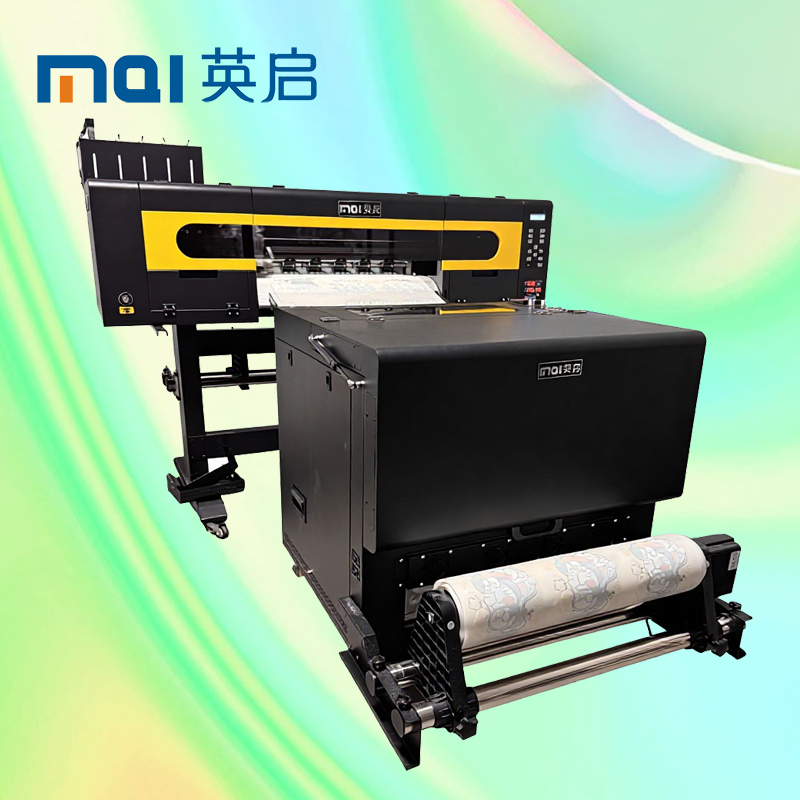
Stabilność drukarek DTF: inżynieria, środowisko pracy i konserwacja
Niezawodność kluczowych elementów sprzętowych: głowice drukujące, system dostarczania atramentu oraz konstrukcja stacji zamykającej
Zgodnie z najnowszymi danymi branżowymi z 2024 roku zatkane głowice drukujące odpowiadają za około dwie trzecie wszystkich problemów występujących w drukarkach DTF. Nowsze generacje piezoelektrycznych głowic drukujących są wyposażone w wbudowane czujniki, które wykrywają zmiany w konsystencji atramentu jeszcze zanim staną się one poważnymi problemami. Te systemy zawierają również wiele warstw filtrów oraz zapewniają stały przepływ atramentu w całym układzie, co zapobiega osadzaniu się drobnych cząsteczek i utracie przez biały atrament przejrzystości. Obecnie drukarki często wyposażone są w specjalne uszczelnione kapturki, które znacznie lepiej utrzymują wilgotność dysz niż starsze modele. W naszych środowiskach testowych zaobserwowaliśmy, że dzięki tym ulepszeniom znacznie skrócono czas schnięcia.
- Wykonywanie codziennych, zautomatyzowanych cykli przemywania głowic
- Użyj linii atramentowych z usunięciem powietrza w celu wyeliminowania pęcherzyków powietrza
- Zamieniaj tłumiki co sześć miesięcy
Odporność środowiskowa: optymalizacja temperatury, wilgotności i integracji przepływu pracy w celu zapewnienia stałej wydajności drukarek DTF
Warunki otoczenia bezpośrednio wpływają na zachowanie się tuszu i przyczepność folii. Utrzymuj wilgotność względną na poziomie 40–60%, aby zminimalizować rozproszenie proszku podczas transferu, i stabilizuj temperaturę w zakresie 20–25°C (68–77°F), aby zapobiec zmianom lepkości. Zintegrowane systemy przepływu pracy dodatkowo izolują wydajność od zmienności warunków środowiskowych:
- Stacje nagrzewania wstępnego doprowadzają folię transferową do optymalnej temperatury 40°C (104°F) przed zastosowaniem
- Susarki taśmowe są wyposażone w odprowadzanie wilgoci, umożliwiające kontrolę jej gromadzenia się
- Automatyczne wstrząsacze proszku zastępują ręczne obsługę, redukując ryzyko zanieczyszczenia
Takie środki kontroli wydłużają żywotność głowicy drukującej o 70% i zmniejszają odpady podłoży o 45% („Textile Manufacturing Journal”, 2023).
Wsparcie posprzedażowe zapewniające długotrwałą gotowość do pracy drukarek DTF
Wielokanałowa pomoc techniczna: narzędzia AI, zdalna diagnostyka i eskalowana obsługa na miejscu
Wyprzedzanie problemów zanim spowodują one poważne zakłócenia stało się kluczowe dla nowoczesnych operacji produkcyjnych. Inteligentne systemy oparte na sztucznej inteligencji potrafią wykrywać powtarzające się błędy znacznie szybciej niż tradycyjne metody, a nasze bezpieczne podejście do zdalnej diagnostyki rozwiązuje około dwóch trzecich wszystkich problemów bez konieczności pojawienia się kogoś na linii produkcyjnej – według najnowszych danych branżowych z 2023 roku. W tych rzadkich przypadkach, gdy nadal wymagana jest interwencja bezpośrednia, dysponujemy wykwalifikowanymi technikami, którzy zazwyczaj docierają do klientów w ciągu jednego dnia. Cały ten pakiet działa lepiej niż tradycyjne rozwiązania typu „jedno okienko”, skracając niemal o połowę czas zwykle potrzebny na usunięcie usterki na linii produkcyjnej.
Proaktywny ekosystem wsparcia: zapas części zamiennych, programy zapobiegawczej wymiany komponentów oraz certyfikacja dystrybutorów
Utrzymanie sprzętu w sprawnej kondycji przez długie okresy czasu zależy przede wszystkim od przewidywania momentu potencjalnego uszkodzenia poszczególnych części, a nie od oczekiwania na ich awarię. Najlepsi dostawcy dysponują certyfikowanymi zgodnie z normami ISO magazynami rozłożonymi po całym świecie, w których znajdują się niezbędne części zamienne – takie jak głowice drukujące i elementy grzejne – gotowe do wysyłki jeszcze tego samego dnia, jeśli zajdzie taka potrzeba. Ich programy zapobiegawczej wymiany części również działają bardzo dobrze. Zastępując te najbardziej narażone na zużycie komponenty podczas regularnych przeglądów serwisowych, większość maszyn wykazuje przedłużony okres użytkowania o około 2 lata i 3 miesiące zgodnie ze standardami branżowymi. Nie należy także zapominać o certyfikacji dystrybutorów. Te certyfikaty to nie tylko dokumenty papierowe – wymagają one rzeczywistych audytów technicznych przeprowadzanych co trzy miesiące, aby zapewnić, że wszyscy członkowie sieci serwisowej utrzymują ten sam poziom wiedzy i umiejętności w zakresie napraw.
Drukarki Coldesi DTF: rzeczywisty punkt odniesienia pod względem stabilności i integracji wsparcia
Drukarki DTF firmy Coldesi rzeczywiście pokazują, co dzieje się, gdy solidna inżynieria łączy się z dobrą obsługą klienta, zapewniając długotrwałą niezawodność. Te maszyny są wyposażone w wytrzymałые głowice drukujące oraz specjalne systemy sprzężenia zwrotnego, które zapewniają prawidłowy przepływ farby nawet po tysiącach cykli druku. Mówimy o ok. 10 000 cyklach przed koniecznością konserwacji. To, co czyni je wyjątkowymi, to wbudowane zabezpieczenia środowiskowe. Drukarki posiadają wewnętrzne obszary z kontrolą wilgotności oraz funkcje zarządzania temperaturą. Dzięki temu zapobiegane są problemom, z jakimi najczęściej borykają się użytkownicy w trakcie długotrwałej eksploatacji – np. zatkaniem dysz lub zmianami w konsystencji farby podczas wykonywania zleceń przez kilka dni bez przerwy. Producentom, którzy potrzebują niezawodnej wydajności, jest to szczególnie ważne dla ich wyników finansowych.
System wsparcia Coldesi wykracza poza sam sprzęt. Zawiera funkcję zdalnej diagnostyki opartej na sztucznej inteligencji, która wykrywa problemy wymagające konserwacji znacznie wcześniej, zanim przekształcą się w poważne awarie. Te alerty wspierane są przez sieć certyfikowanych techników, gotowych szybko przystąpić do działania w razie potrzeby. Firma zarządza również zapasami części zamiennych centralnie, dzięki czemu zwykle komponenty zastępcze docierają w ciągu dwóch dni. Zautomatyzowane systemy śledzą zużywalne materiały i automatycznie zaplanowują zadania konserwacyjne. Wszystkie te funkcje działają łącznie, skracając czas nieplanowanego postoju o około 40% w porównaniu do tradycyjnych układów DTF. Oznacza to, że drukarki przestają być jedynie maszynami stojącymi na hali produkcyjnej i stają się niezawodnymi aktywami gwarantującymi stałą wydajność produkcyjną.
Często zadawane pytania
Jakie są główne przyczyny zatykania się głowic drukujących w drukarkach DTF?
Większość problemów z zatykaniem wynika ze zmian konsystencji atramentu lub osadzania się cząsteczek. Nowoczesne głowice drukujące piezoelektryczne pomagają złagodzić te problemy dzięki wbudowanym czujnikom, filtróm oraz ciągłemu przepływowi atramentu.
W jaki sposób warunki otoczenia wpływają na wydajność drukarek DTF?
Czynniki środowiskowe, takie jak temperatura i wilgotność, znacząco wpływają na zachowanie atramentu oraz przyczepność folii, dlatego do zapewnienia stabilnej pracy drukarki konieczne są optymalne warunki.
Jakie systemy wsparcia zostały wdrożone w celu zwiększenia czasu gotowości do pracy drukarek DTF?
Do systemów wsparcia zaprojektowanych w celu utrzymania czasu gotowości do pracy drukarek należą: diagnostyka zdalna oparta na sztucznej inteligencji, wielokanałowa pomoc techniczna, programy zapobiegawczej wymiany komponentów oraz sieć certyfikowanych techników.
W jaki sposób drukarki DTF marki Coldesi przyczyniają się do niezawodności branżowej?
Drukarki Coldesi łączą solidną inżynierię z odpornymi rozwiązaniami chroniącymi przed wpływami środowiska oraz kompleksowymi systemami wsparcia, zapewniając tym samym lepszą długoterminową stabilność i minimalizując czas przestoju w porównaniu do tradycyjnych konfiguracji.