
 EN
EN
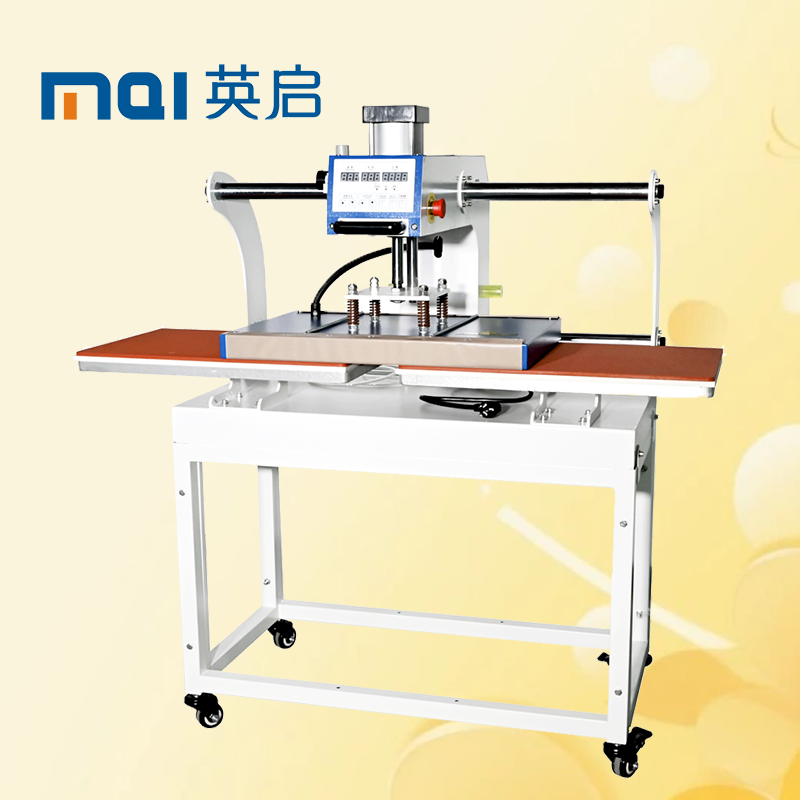
Hvorfor temperaturkonsistens er viktig for storstilt varmepresseproduksjon
Å få temperaturen akkurat riktig gjør alt forskjellen når man utfører varmeoverføringer i stor skala. Trykker du hundrevis av samme plagg? Små endringer i temperatur kan virkelig ødelegge alt. Hvis temperaturen er for lav, fungerer limet ikke ordentlig, så overføringene begynner å løsne etter noen vasker og kundene sender tilbake varen. Men hvis du øker temperaturen for mye, brennes stoffene, og perfekte skjorter blir til søppel. Tallene forteller også en historie som er for dårlig for produsentenes lommer. Ifølge nyere bransjeforskning fra Ponemon fra 2023 koster disse temperaturproblemmene bedrifter rundt 740 000 dollar hvert år bare i feilretting og kassering av skadede produkter.
Ting blir virkelig dårlige når vi snakker om større produksjonsløp. Bare en temperaturforskjell på 5 grader Celsius over platenoverflaten fører til merkbare kvalitetsproblemer i store partier. Tenk på det: én armhylse kan vise et matt, korporativt logo, mens den andre ser lys og skarp ut. Problemene forsterkes også i storproduksjon. Når temperaturene ikke er konsekvente over hele overflaten, har arbeiderne ingen annen valgmulighet enn å stanse alt og justere innstillingene igjen og igjen. Denne typen nedetid ødelegger produktiviteten fullstendig. For bedrifter som produserer tusenvis av varer hver dag, er det ikke lenger bare god praksis å holde temperatursvingningene innenfor pluss eller minus 2 grader. Det avgjør bokstavelig talt om de tjener penger eller taper alt.
Viktige funksjoner i varmepresser som sikrer termisk stabilitet i stor skala
Å oppnå konstante temperaturer i storproduksjon med varmepress krever utstyr som er konstruert for presisjon. To funksjoner er kritiske for å opprettholde termisk stabilitet under lengre produksjonsløp.
PID-styrt dobbeltsones oppvarming for jevne platentemperaturer
Enkle termostater kan svinge med opptil 10 grader Fahrenheit i begge retninger, men avanserte PID-reguleringssystemer fungerer annerledes. Disse intelligente systemene justerer kontinuerlig oppvarmingselementene slik at temperaturen holdes innenfor kun 2 grader over hele platens overflate. Dobbelsonenoppsettet er en annen stor fordel, siden det styrer temperaturen separat på hver ende av maskinen. Dette hjelper til å motvirke de irriterende temperatursenkningene som oppstår under intens produksjon. Uten å gå for teknisk i detalj betyr dette at det ikke lenger oppstår kalde soner som ødelegger overføringer. Enkeltesonesystemer har ofte problemer der hjørnene blir omtrent 15 grader kaldere enn midtdelen når maskinen går raskt. Når bedrifter må produsere store mengder, gir disse forbedringene virkelig utslag. Vi har sett at verksteder reduserer avfall fra dårlige trykk med omtrent 40 prosent ved å bytte fra eldre analoge reguleringssystemer til disse nyere systemene.
Industriell konstruksjon: Støpte aluminiumsplater og termisk isolasjon
Aluminiumsplater som er minst 1,5 tommer tykke fordeler varme ganske jevnt og beholder varmen mellom presseoperasjoner. Dette bidrar til å opprettholde gode overføringsresultater selv etter hundrevis av påfølgende sykler. Det er også keramisk isolasjon integrert i systemet mellom oppvarmingsdelene og selve pressebordet. Denne oppsettet reduserer varmetap til omgivelsene med omtrent 30 prosent, noe som selvfølgelig også sparer penger på energiregningene. Hele enheten er bygget så robust at den tåler alle disse trykkendringene dag ut og dag inn uten å bøye seg ut av form. Det er forståelig, siden de fleste verksteder produserer over 500 artikler per dag. Når disse platene begynner å deformeres på grunn av konstant bruk, påvirkes både trykkfordelingen og temperaturkontrollen fullstendig, noe som fører til inkonsekvent produktkvalitet.
Tilpasse type varmepresse til ditt volumbestillingsprofil
Enkeltpresse vs. flerplattes presse: Avveining mellom produksjonshastighet, SKU-fleksibilitet og konsekvens
Valg mellom enkeltpresse og flerplattes presse påvirker direkte produksjonseffektiviteten for store ordre. Enkeltpresser gir enkelt drift og overlegen termisk stabilitet – ideelle for virksomheter som prioriterer jevn kvalitet på 500+ identiske artikler daglig. Deres konsekvente kalibrering minimerer avvik under lange produksjonsløp, noe som støtter merkevarekrav og reduserer behovet for omproduksjon.
Flerplatteskonfigurasjoner (dobbel- eller firkantplattes) øker produksjonshastigheten med 40–60 %, men introduserer kompleksitet:
- Samtidig pressing av flere klær øker produksjonen
- Kompatibilitet med blandede SKU-er tillater håndtering av mangfoldige ordre
- Krever nøyaktig lastbalansering for å unngå temperaturvariasjon mellom platene
Når man kjører storseriefremstilling på over ca. 1000 enheter per dag, gir flatepresser med flere platener definitivt raskere prosesshastigheter. Men det er en ulempe ved behandling av ulike materialtyper samtidig. Rapporten «Textile Industry Benchmark» fra i fjor viste noen interessante resultater. Enkeltplatepresser holdt temperaturen sin innenfor ca. 1,5 grader Celsius gjennom en hel arbeidsdag på åtte timer. I mellomtiden varierte temperaturene mye mer i flatepresssystemene med flere platener, og nådde ca. 3,2 grader forskjell under de samme testbetingelsene. Dette er svært viktig ved oppgaver med blandede tekstilmaterialer, der selv små temperaturendringer kan føre til problemer. Fabrikker som skiftet til utstyr med enkeltplatepresser rapporterte en reduksjon i kastet materiale og omfremstilling på ca. 17 prosent, bare fordi de unngikk forurensningsproblemer mellom ulike stoffbatcher under fremstillingen.
Vedlikehold av langvarig temperaturnøyaktighet: beste praksis for kalibrering og verifikasjon
Ved masseproduksjon av varmepresningsoperasjoner er det å opprettholde konstante temperaturer mer enn bare ønskelig – det er avgjørende for kvalitetskontrollen og reduserer også spild av materialer. Virkeligheten er at etter flere måneder med drift begynner disse sensorene og oppvarmingselementene å avvike fra spesifikasjonene, noe som fører til feilaktige overføringer og dyre omgjøringer av alle slag. De fleste erfarna operatører kjenner dette fra egen erfaring. Ifølge ulike bransjerapporter reduserer riktig kalibrering av temperatursondene termisk drift i omtrent 80 % av tilfellene. Denne typen vedlikehold sikrer at platens overflater opprettholder en konstant temperatur innenfor ca. 2 grader Fahrenheit av den ønskede verdien, noe som gjør en enorm forskjell ved produksjon av tusenvis av produkter dag etter dag.
Nøkkelpraksiser inkluderer:
- Planlagte kalibreringer: Utfør kvartalsvise verifikasjoner ved hjelp av NIST-sporbare utstyr, og øk frekvensen for høyvolumproduksjon.
- Dokumentasjonsrutiner: Før loggføring som detaljerer kalibreringsdatoer, teknikeres signaturer og målinger før/etter justering for revisjonsformål.
- Sjekk av sensorplassering: Bekreft at sonder kommer i korrekt kontakt med platens overflate, da feiljustering forårsaker betydelige avlesningsfeil.
Komplettér disse med daglige stikkprøver ved hjelp av infrarøde termometre for å oppdage avvik mellom formelle kalibreringer. Denne proaktive tilnærmingen beskytter din investering i varmepresse og sikrer at hver storbestilling oppfyller ensartede kvalitetskrav.
Ofte stilte spørsmål
Hvorfor er temperaturkonstans avgjørende i produksjon med varmepresse?
Temperaturkonstans er avgjørende for å sikre at overføringer fester seg riktig og beholder kvaliteten over tid. Ujevne temperaturer kan føre til at overføringer løsner seg og til skade på tekstilene.
Hvilke funksjoner bidrar til termisk stabilitet i varmepresser?
Avanserte PID-reguleringssystemer og oppvarmingssystemer med to soner hjelper til å opprettholde konstante temperaturer. Industriell konstruksjon, som tykke aluminiumsplater og termisk isolasjon, bidrar også til stabiliteten.
Hvordan skiller enplate- og flerplatepresser seg fra hverandre?
Enplatepresser tilbyr enkel drift og konsekvent kvalitet, mens flerplatekonfigurasjoner øker produksjonshastigheten, men kan føre til utfordringer med temperaturvariasjon.
Hvordan kan produsenter opprettholde temperaturnøyaktighet ved varmepressing?
Regelmessige kalibreringer og verifikasjonsrutiner, for eksempel planlagte kalibreringer og daglige stikkprøver med termometre, hjelper til å opprettholde langvarig temperaturnøyaktighet.
Innholdsfortegnelse
- Hvorfor temperaturkonsistens er viktig for storstilt varmepresseproduksjon
- Viktige funksjoner i varmepresser som sikrer termisk stabilitet i stor skala
- Tilpasse type varmepresse til ditt volumbestillingsprofil
- Vedlikehold av langvarig temperaturnøyaktighet: beste praksis for kalibrering og verifikasjon
- Ofte stilte spørsmål