
 EN
EN
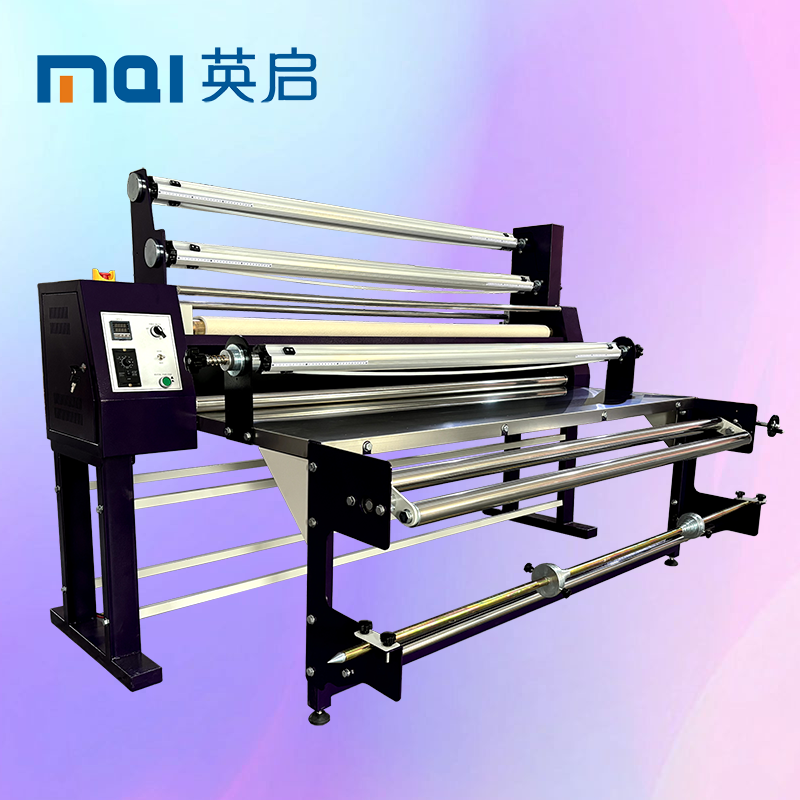
Quid Machinam ad Transfertum Caloris Vere Exigentem Curae Facit?
Machinae ad transfertendum calorem exiguae curae revera in simplicibus formis et robustis structuris insidunt, ut saepius non deficiant. Corpora ex duris alligamentis conficiuntur, quae calorem sustinere possunt sine crepitatione, ita ut partes fere quadraginta per centum diutius manent quam in machinis vulgaribus. Haec machinae cum diagnosticis sapientibus veniunt, quae technicos monent cum aliquid corrigendum est antequam vere deficiat. Praeterea, platens specialibus tegminibus munitae sunt, quae glutinum a retinendo post transfertiones prohibent. Aliud magnum commodum est systema refrigerationis circuitu clauso, quod illas molestas mutationes filtrorum, quas plerique in antiquioribus modellis oderunt, tollit. Et axis sigillati sunt, ita ut plus quam tria milia horarum inter singulas curas durare possint. Tabulae imperii valde faciles ad usum sunt, cum pulsatoribus pro celeribus constitutionibus, quae errores minuunt qui tempus perdunt. Haec omnia simul impensas curarum fere dimidiant et machinas in fabricis pene tota die in actu tenent. Bonus ingenium ab initio omnem differentiam facit, non modo emendatio problematum postquam acciderunt.
Indicia Fideliātis: Rātīōs Īnstantiārum Defectūs et Tempus Operis Continuī Praeclārārum Machīnārum ad Trānsferendum Calōrem
Cum machīnae ad trānsferendum calōrem aestimantur, indicia fideliātis ut rātīōs īnstantiārum defectūs et tempus operis continuī directē influunt in efficāciam prōductiōnis. Ars mechanica moderna hās normās praecipuē spectat ut tempus intermissiōnis improuisae minuatur—factor criticus ubi ūnus horārum inactivitātis fabricantibus plus quam 50 000 dōlāria in prōductō amissō cōstāre potest [Institūtum Ponemon, Cūrā Inactivitātis Industriālis , 2023].
LT40 cōntra LTE cōntra Mōdēlōs Antīquōs: Data Reālia de Medio Tempore Inter Defectūs (MTBF) et Intervallis Servīciī
Data ex locō contrāstēs manifestant inter machīnās ad trānsferendum calōrem hodiernās et vetustiōrēs. Sēriēs LT40 ostendit medium tempus inter defectūs (MTBF) quod superat 10 000 horās operātiōnis—duplum performatiōnis unitātum antiquārum decenniōne ante factārum. Similiter, mōdēla LTE intervalla servīciī ad 750+ horās prōlongant per:
- Compōnēntēs sē ipsōs unguentēs , quae frāctūrās ex attrītiōne minuunt
- Compōsitionēs modulārēs , quae rēparātiōnēs partiales sine interrūptiōne plēnā permittunt
- Aliis metallorum corrosioni resistente , minuens fatigationem materiae
Machinae veteres mediocriter 3,5– plures interruptiones imprevistas mensuales habent propter frequentes necessitates calibrandi et degradatio partium. Haec differentia fiduciae ad costus manutentionis annuales 18–22% altiores pro unitatibus vetustioribus conducit. Licet factores ambientales, ut instabilitas substrati, omnes machinas afficiant, designa moderna 95%+ tempus operis continuare possunt etiam sub cyclis productionis continuorum—melioratio 30% super praedecessores.
| Index Perfectionis | Serie LT40 | Serie LTE | Machinae Veteres |
|---|---|---|---|
| Medius MTBF (horae) | 10,200 | 9,400 | 4,800 |
| Intervalla Servitii (horae) | 800 | 750 | 350 |
| Tempus Inoperosum Annuum (%) | <5% | 5–7% | 15–20% |
Haec progressio ex protocollis rigoris experimentorum pressionis et analysi modorum defectus oritur, quae in generationibus prioribus absunt. Pro operationibus quae constantiam fluxus producendi praecipue spectant, novae machinae transmigrationis caloris redditum mensurabilem per minorem frequentiam interventionum et productivitatem continuam praebent.
Integratio Intelligens Manutentionis: Quomodo Diagnostica Praedictiva Tempus Inoperosum Minuunt
Sensoria IoT, Emendationes Firmware, et Calibratio Automatizata in Modernis Machinis Transmigrationis Caloris
Conceptus manutenentiae praedictivae, breviter PdM, funditus mutat rationem qua de cura instrumentorum cogitamus: non exspectamus quousque aliquid frangatur, sed potius praevinemus difficultates antequam eveniant. Hi parvi sensorum IoT adhaerent ubique in machinis ad transfertum caloris et observant res ut variationes temperaturarum, vibrationes motorum, et an pressiones anormales incipiant esse. Haec omnia data statim ad systemata analysiōs mittuntur, ubi programmmata computatōria sagācia paterna signa detegunt quae indicare possunt partes iam absumi longe antequam quisquam aliquid pravum animadvertat. Interdum autem cuneī iam ante hebdomades vitiantur aut calefactōrēs anōmalē agunt, et haec systemata ea tempestīvē percipiunt. Software etiam sē ipsum automātice āctualizat, ita ut semper melius fit in detegendīs difficultatibus, sine opere manuālī cuiusdam qui parametrōs commūtāre debeat. Exemplī grātiā, rītūs calibrātiōnis sē ipsōs adiūstant secundum quae sensorēs nūntiant, ita ut registrātiōnēs impressiōnum summe accurātae maneant, fortasse ad dimidium millimetrum aut fere. Societātēs quae huiusmodī systemata implementant solent vidēre tempus intermissum inopinātum decrescere inter triginta et quinquāgintā percentum, atque expensās manutenentiae inter vīgintī et trīgintā percentum quoque minuī, quoniam nunc partes superflūē nōn substituuntur.
Summa Dominii Expensarum: Ultra Pretii Initialis ad Longinquam Efficiendam Conservationem
Cum machinae ad transfertendum calorem aestimantur, si soli pretio emptionis attenditur, periculum est ut expensae longinquae criticae praetermittantur. Analyse completa Summae Dominii Expensarum (TCO) ostendit quod conservationes, consumptus energiae, et efficiencia operativa saepe 60–80% expensarum vitae representent. Ad haec pertinent:
- Conservatio Preventiva : Machinae quae quartaliter curari debent, non mensualiter, impensas laboris annuas minuunt 35%
- Efficientia Energiae : Unitates modernae usque ad 40% minus potentiae consumunt quam modelia antiqua, expensas operativas notabiliter deminuentes
- Effectus Temporis Inutilis : Interruptiones productionis fabricatoribus in medio $260 000 per horam constare solent, secundum studia de efficiendia fabricandi
- Expensae consumibilium : Inkae speciales et materiae ad transfertendum usque ad $18 000+ addere possunt annuatim pro operationibus magnae voluminis
- Duratio vitae : Instrumenta quae decem annos servire possunt 45% altiorem reditum super investitionem (ROI) praebent quam ea quae tantum quinque annos durant
Designa parum curae exigentia, cum sensoribus se ipsos diagnosticantibus et componentibus modularibus, ulterius interventus serviles minuunt per 30%. Modello optime pretiis comparata investituram praesentem cum his efficaciis operativis aequilibrant—demonstrans quod aestimatio strategica totius pretii possessionis (TCO) meliora exitus pecuniarios praebet quam decisiones emptionis reactivae.
Frequenter Interrogata (FAQ)
Quae sunt commoditates machinarum ad transfertum caloris parum curae exigentium?
Machinae ad transfertum caloris parum curae exigentes durabilitatem et simplicitatem praeponunt, frequentionem defectuum minuentes. Earum designa robusta sunt, cum alligamentis fortibus, diagnosticis sapientibus, et cuneis obsignatis, quae vitam operativam protractant et impensas curae minuunt.
Quomodo machinae ad transfertum caloris modernae ad modellos antiquiores conferuntur quoad tempus operationis?
Machinae ad transfertum caloris modernae, ut series LT40 et LTE, modellos antiquiores superant cum multo altiore media temporis inter defectus (MTBF) et intervallis servilium. Illae plus quam 95% temporis operationis retinent et tempus inoperationis annuum minuunt per 30% comparatione ad unitates vetustiores.
Quae est functio sensorum IoT in manutentione praedictiva machinarum ad transfertum caloris?
Sensores IoT colligunt data de praestantia machinae in tempore reali, quibus systemata manutationis praedictivae adiuvantur ut potestiales difficultates ante quam graviores fiant agnoscant. Illi permittunt calibraturam automatam et mutationes firmware, quae ad minuendum intermissiones imprevistas et impensas manutationis conferunt.
Cur Totius Dominii Pretium (TCO) importante est cum machina ad transfertum caloris seligitur?
Aestimatio TCO certificat ut fabricatores impensas longi temporis, ut manutentio, efficacia energiae, et effectus intermissionis, considerent. Formae modernae impensas operationis minores praebent propter manutionem preventivam et proprietates efficaces energiae, quae meliorem reditum investitionis (ROI) generant.
Index Contentorum
- Quid Machinam ad Transfertum Caloris Vere Exigentem Curae Facit?
- Indicia Fideliātis: Rātīōs Īnstantiārum Defectūs et Tempus Operis Continuī Praeclārārum Machīnārum ad Trānsferendum Calōrem
- Integratio Intelligens Manutentionis: Quomodo Diagnostica Praedictiva Tempus Inoperosum Minuunt
- Summa Dominii Expensarum: Ultra Pretii Initialis ad Longinquam Efficiendam Conservationem
-
Frequenter Interrogata (FAQ)
- Quae sunt commoditates machinarum ad transfertum caloris parum curae exigentium?
- Quomodo machinae ad transfertum caloris modernae ad modellos antiquiores conferuntur quoad tempus operationis?
- Quae est functio sensorum IoT in manutentione praedictiva machinarum ad transfertum caloris?
- Cur Totius Dominii Pretium (TCO) importante est cum machina ad transfertum caloris seligitur?