
 EN
EN
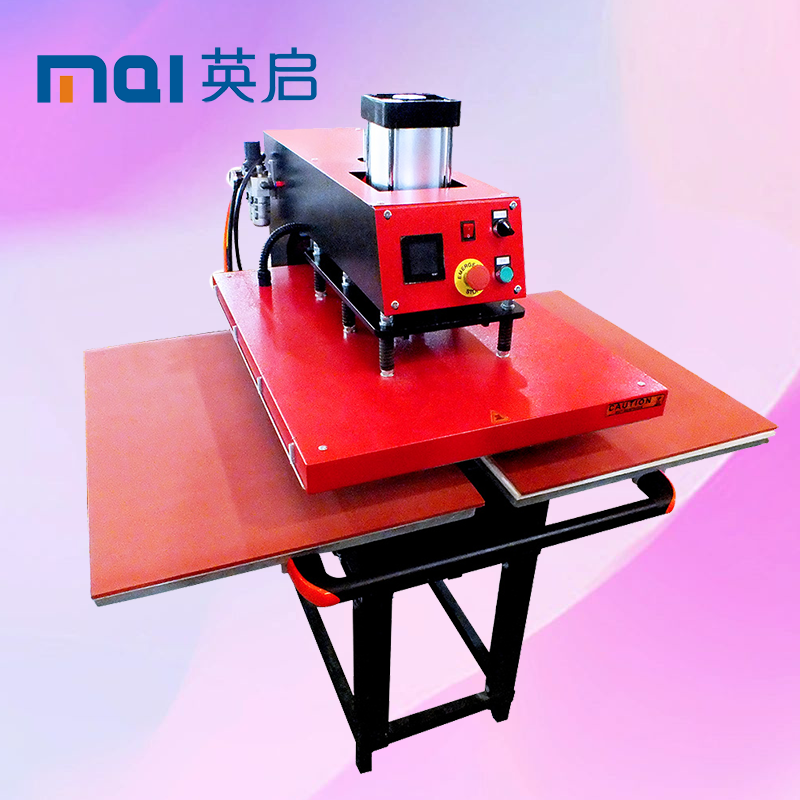
Põhikuumutuspressi tehnilised andmed: temperatuur, rõhk ja aeg
Miks tagab täpne temperatuurtäpsus usaldusväärse ülekandekleebi kinnitumise
Mitteühtlane soojus põhjustab 27% ülekandevigadest seetõttu, et kleebi aktiveerumine on eba täielik või materjal on põletatud (Textile Printing Journal 2023). Täpsed digitaalsed termostaadid säilitavad ±5°F täpsust, tagades optimaalse polümeeri sidumise kogu riide ulatuses. Sublimeerimisülekannete puhul nõrgeneb värvaine läbitungimine temperatuuri kõrvalekaldumisel üle 380°F, vähendades pesukindlust 40%.
Ühtlane rõhujaotus ja selle mõju servaservani trükkimisega kvaliteedile
Mitteühtlane rõhk teeb „kummalisi kujundeid“ (heledamad alad) ja vähendab toote eluiga 65%. Tööstusliku klassi pressid kasutavad hüdraulilisi süsteeme või kahevedru mehhanisme, et tagada püsiv rõhk 15–80 PSI kogu plaatidel. Kalibreeritud plaadid takistavad ääriete tõmbumist tekstuuriga materjalidel, näiteks kangas, saavutades 98% ülekande täielikkuse vastu 74% madala jäikusega raamidel.
Aegseadistuse täpsus ja sünkroonimine materjalispetsiifiliste kuumutamisnõuetega
Polüester nõuab 15-sekundilisi kuumutusi 160 °C juures, samas kui puuvillaseid segu nõuab 45 sekundit 177 °C juures. Ülekuumutamine põhjustab disainide väljatõmbumist; alakuumutamine põhjustab kihistumist. Automaatsed ajastid ±0,5-sekundilise täpsusega sünkroonitakse alusmaterjali soojusmassiga – see on kriitilise tähtsusega segapõhiste riidepartiide puhul, kus 5-sekundiline üleeksponeerimine põhjustab elastanesegevate riidete pöördumatut kokkutõmbumist.
| Juhtimistegur | Kriitiline vahemik | Materjali mõju |
|---|---|---|
| Temperatuur | 149–204 °C | Määrab kleepuva aine aktiveerumissügavust |
| Rõhk | 103–552 kPa | Määrab ülekandepinna kontakti |
| Aeg | 10–60 sekundit | Reguleerib polümeeride kuumutamise lõpetamist |
Need omavahel seotud spetsifikatsioonid moodustavad operatsioonilise kolmiku, mis määrab professionaalse tulemuse kvaliteedi. Nende sünkroonimise valdamine elimineerib töö taas tegemise ja vähendab energiakulusid aastas 22 protsenti.
Kuumutuspressi tüüp ja ehituskvaliteet: disaini ühendamine kasutusotstarbega ja vastupidavusega
Klammerpress vs. liugpress vs. tõmbe-stiilis kuumutuspressid: kasutusjuhtude kompromissid
Õige soojuspressi seadistuse valimine mõjutab tõesti selle, kui sujuvalt protsess toimub ja millised tulemused lõppkokkuvõttes saavutatakse. Klambrilised pressid võtavad vähem ruumi, kuna nad sulgumise ajal liiguvad vertikaalselt – see on väga hea lahendus piiratud põrandaruumi korral. Siiski märkivad inimesed, kes töötavad paksude materjalidega, sageli rõhu ebavõrdset jaotumist. Swing-away-mudelitel on täielik ülevaade soojenduspinnast, mistõttu saab näiteks T-särgid ja muud riided täpselt õigesse asendisse paigutada. Töötajad hindavad seda eriti, kuna see vähendab koormust, kui päevas tehakse sadu ülekandeid. Tõmmepressid on peaaegu täielikult mõeldud mitte tasaste esemete jaoks, näiteks kausid või söögiklaasid. Neis on libisevad laudad, mis tagavad kogu aeg õige joondumise soojusotsese rakendamisel. Enamik töökohasid, kus töödeldakse erinevaid tooteid, leiab, et swing-away-pressid pakuvad ideaalset kompromissi erinevate ülesannete täitmise ja töötajate mugavuse tagamise vahel nende tööpäeva jooksul.
Plaatide tasasus, kütteelemendi eluiga ja raami jäikus kui ehituskvaliteedi peamised näitajad
Kui rääkida seadmete kasutusajast, on tegelikult kolm olulist inseneritegurit, millest kõige rohkem sõltub. Esiteks peab plaat olema mikromeetri tasemel väga tasane, et soojus leviks pinnal ühtlaselt. Muul juhul tekivad need tüütud varjupildid või osalised ülekanded. Tööstusstandard nõuab, et kogu pindala ulatuses ei tohi kõrvalekalle olla suurem kui 0,005 tolli. Seejärel tuleb arvesse võtta soojendusseadet ise. Selle eluiga sõltub suuresti sellest, kui palju võimsust see ruuttolli kohta talub. Kaubandusliku klassi seadmed peavad olema soojuskatsete andmetel vähemalt 1800 vatti võimsusega, et vastu pidada umbes 400 °F-ni (umbes 204 °C) jõudvatele temperatuuridele 10 000 tsükli jooksul. Ärge unustage ka raami tugevust. Surve all peavad head raamid vastu pidama ilma paindumata või kõverdumata ka siis, kui stressikatsete ajal rakendatakse neile üle 2000 naela ruuttolli kohta (umbes 13,8 MPa) suurt survet. Seadmed, mis vastavad kõigile nendele nõuetele, kestavad tavaliselt tootmisetingimustes pidevalt 8–12 aastat, mis vähendab kogukulusid ligikaudu 30 protsenti odavamate mudelitega võrreldes, mis lihtsalt pole ehitatud pikaajaliselt kasutamiseks.
Alusmaterjali ühilduvus ja meediumi paindlikkus tavalistes rakendustes
Kunstloom, polüester, segumaterjalid ja kõvad esemed: soojuspressi võimaluste vastavus materjalitöötluse nõuetele
Materjalide ühilduvuse õige määramine teeb kõik erinevaks, kui kasutatakse soojuspressi. Puuvill sobib kõige paremini temperatuuril 320–360 °F keskmise rõhu rakendamisel, et riideaine ei põletuks. Polüesteri puhul muutub temperatuuri reguleerimine väga oluliseks, sest üle 360 °F tõusmine võib põhjustada silmapaistvaid kollaseid laiku – seepärast usuvad paljud professionaalid sünteetiliste materjalide puhul digitaalseid temperatuurinäitajaid. Kui tegemist on puuvillaga segatud polüesteriga, soovitavad enamikku kogemustega operaatoreid enne suuremate partii trükkimist teha väikeste proovitükkidega testtrükid, et leida see ideaalne tasakaalupunkt aeg ja soojusnivoo vahel. Viimaste tööstusaruannete kohaselt on mõned töökohad igal aastal just nende seadete vale määramise tõttu kaotanud peaaegu kolmsada tuhat dollarit. Ja ärgem unustagem ka mitte-rõivaste esemeid, näiteks keramiikast tassid või klaasplaadid, mille puhul on vaja erikujulisi soojenduspindu. Ebakorrapäraste pindade ühtlane soojenemine põhjustab umbes kolmandiku ebaõnnestunud ülekandeid selles kategoorias, nagu me seda kogu sektoris näeme.
Peamised kaalutlused:
- Kunstloom: Keskmise rõhu kasutamine, vältida ülekuumenemist
- Polüester: Madala migreeruvusega ülekanded, range temperatuuripiirang
- Segud: Testida väikseid partii, et optimeerida aeg–temperatuur tasakaalat
- Kõvad esemed: Reguleerida rõhku pinnakõveruse järgi, kasutada silikoonpadsid
Veenduge alati, et teie soojuspress sobib erinevate plaatide paksustega ja materjalide kuumutamisnõuetega, et vältida raisatud ülekandeid.
Kauplemiskäpsus: Garantii, tugi, pinge ja kogu omamiskulu
Kui hinnata, kas seadmed on ärikasutuseks valmis, tuleb arvesse võtta palju rohkem kui lihtsalt tehnilisi üksikasju. Head garantii, mis hõlmavad näiteks soojendusosi ja konstruktsioonielemente, aitavad oluliselt vähendada hilisemaid kalliste remontide kulusid. Samuti aitab lihtne juurdepääs tehnilisele toe teenusele vähendada ajakadu, kui masinad lähevad katki tootmisprotsessi ajal. Mõelge sellele numbritele Ponemon Institute’i 2023. aasta uuringust: ettevõtted kaotavad ootamatute seiskumiste tõttu igal aastal üle 740 000 dollari. Ka pingeühilduvus on väga oluline. Veenduge alati, et masina tehnilised andmed vastavad teie töökohas saadaolevale elektrivõrgule, et vältida ohtlikke elektriprobleeme. Enne otsust osta soojenduspress tuleb põhjalikult analüüsida selle kogukulude pilti. See hõlmab mitte ainult esialgset hinna, vaid ka kõiki varjatud kulusid, mis aeglaselt kogunevad.
- Algne omaniku hind
- Energiasoodsuse kasutamismustrid
- Hooldus- ja tarbekaupade kulud
- Treeningute ja seiskumiste kulud
- Elutsükli kestus versus asendamise ajastus
See terviklik rahaline vaade takistab eelarveületamist, mille põhjustavad peidetud toimingu kulud. Äriklassi seadmed nõuavad äriklassi kaitsemeetmeid – esitage eelis müüjatele, kes demonstreerivad tugevat vastutust ka pärast ostu.
KKK jaotis
K: Miks on temperatuuri reguleerimine oluline soojuspressi töös?
A: Täpne temperatuuri reguleerimine tagab optimaalse polümeeride sidumise ja takistab ülekandevigu, mis võivad tekkida täieliku kleevi aktiveerimata jäämisest või materjali põletumisest.
K: Miks on ühtlane rõhk oluline soojuspressi töös?
A: Ühtlane rõhujaotus takistab nähtust, mida nimetatakse 'kummaliseks' (ghosting) või vähenenud intensiivsusega alade tekkele ning tagab ühtlase trüki kvaliteedi servast servani ning pikendab toote eluiga.
K: Kuidas mõjutab aegseadistuse täpsus soojuspressimist?
A: Aeg täpselt on oluline materjalispetsiifiliste kuumutamise nõuete täitmiseks. Vigane aegumine võib põhjustada disaini voolamist või lahtikukkumist.
K: Kuidas valida soojuspressi masina konstruktsioon oma rakenduse jaoks?
A: Kaaluge oma töökohta, materjalitüüpe ja tootmistähti. Klaaslaevas, liikuv ja tõmbe stiilis masinatel on igaühel oma erilised eelised ja piirangud.
K: Millised tegurid mõjutavad soojuspressi masina vastupidavust?
A: Plaadi tasasus, kütteelemendi eluiga ja raami jäikus on olulised tagamaks pikaajalist toimivust intensiivsete tootmistingimuste all.