
 EN
EN
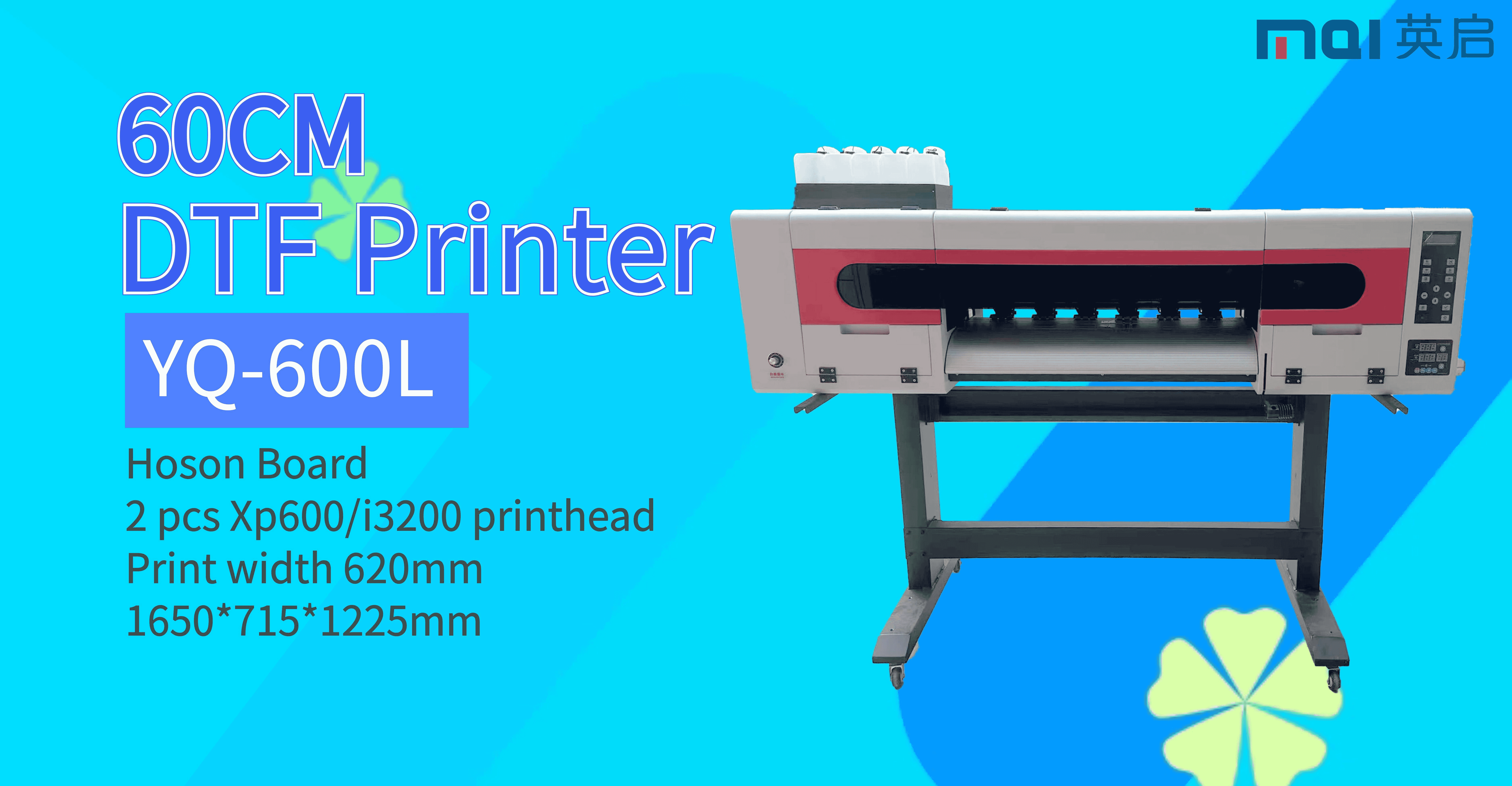
Print Quality and Color Vibrancy on Various Fabrics
CMYK+White Ink Layering for High-Resolution, Photorealistic Prints
Direct film printers create really realistic images thanks to their advanced CMYK plus white ink technology. When printing on dark materials, the white ink serves as a foundation layer that helps colors look true to life. These machines can reach an impressive 1440 dpi resolution which makes them great at picking up tiny details such as individual hairs or creating those smooth transitions between colors we all love in photography. Compared to older spot color methods, these printers match about 98 percent of Pantone colors according to the latest PMS standards from 2023. That's why they work so well when reproducing human skin tones or creating those fancy metallic finishes that look almost real.
Performance on Light vs. Dark Garments: Achieving Detail Accuracy
DTF works really well on all sorts of fabric colors. When printing on white cotton, the colors pop about 20% more vividly because the ink gets absorbed directly into the fabric. With darker polyester blends, there's this clever white base layer that stops colors from looking washed out or muddy, keeping everything sharp and clear. Some tests done last year showed something pretty impressive too. On black denim specifically, DTF prints maintain around 95% accuracy of the original design. That's actually 35 percentage points better than regular heat transfer vinyl when we're talking about those super fine details below 0.3 millimeters thick. Makes sense why so many people are switching over these days.
Optimizing Calibration for Maximum Color Vibrancy and Gradient Clarity
Getting the calibration just right makes all the difference when it comes to producing consistently good quality prints. For those aiming at that sweet spot of ΔE below 2 which is what most people in the premium clothing business consider top notch, there are several things printers need to do regularly. Weekly checks on nozzles are essential, along with using ICC profiles that actually match the particular fabrics being printed on. And don't forget about applying this two step curing process that really helps keep those colors vibrant and lasting longer. Printers equipped with automatic calibration features tend to save around 40 percent on wasted materials during setup time versus doing everything manually according to recent findings published in Textile Printing Quarterly last year.
Trend: Rising Popularity of Micro-Designs and Complex Graphics via Direct to Film Printer
What's fueling the growth of micro-designs? Look no further than DTF technology that can actually print those tiny 0.2mm details something regular screen printing just can't match. Activewear companies saw their orders for intricate geometric patterns jump by nearly 60% since early 2022 according to industry reports. The secret sauce here is how these DTF transfers work they keep fabric breathable while still holding shape, which matters a lot when we're talking about performance materials like those stretchy spandex polyester mixes everyone loves in gym wear today.
Durability, Wash Resistance, and Long-Term Print Performance
How DTF Transfers Bond During Curing: Science Behind Adhesion
Durability stems from a chemical-physical bonding process. During heat pressing (320–330°F), the adhesive layer activates, embedding ink into fabric fibers. Polymer research shows thermoplastic particles form covalent bonds with cotton and hydrogen bonds with synthetics like polyester, creating a cohesive network resistant to shear forces and repeated washing.
Case Study: 50-Wash Test Results on DTF-Printed Polyester Activewear
Independent testing shows DTF-printed polyester retains 98% color accuracy after 50 industrial washes at 70°C (158°F)—23% better than traditional screen printing. The flexible ink-film matrix resists microfractures during stretching and drying cycles, a key advantage for activewear subjected to rigorous use.
Addressing Cracking and Peeling: Causes and Prevention in Low-Quality Transfers
Cracking typically occurs with substandard films (<80µ thickness) or under-cured adhesives, which create weak interfacial layers. Thermal imaging reveals that “cold spots” in heat presses cause 78% of premature peeling. Regular platen calibration and a 15-second pre-press at 280°F significantly improve adhesion and prevent failure.
Best Heat Press Settings for Maximum Durability Across Fabric Types
| Fabric Type | Temperature | Pressure | Time | Post-Cure Handling |
|---|---|---|---|---|
| Cotton | 320°F | Medium | 12 sec | Cool to 100°F before peeling |
| Polyester | 305°F | Low | 15 sec | Immediate cold peel |
| Blends (50/50) | 315°F | Medium | 13 sec | 30-sec cooling period |
These settings ensure full adhesive activation without degrading polymers, helping prints achieve 4.5+ out of 5 in standardized wash resistance tests.
Comfort, Texture, and Fabric Hand Feel After DTF Printing
Thin-Film Transfer Technology and Its Impact on Breathability
Today's DTF printing technology relies on super thin transfer films that measure around 0.04mm thick. These lightweight materials actually keep fabrics breathable much better than traditional vinyl heat transfers do. Some tests indicate they cut down on airflow blockage by about 35 percent, which makes them ideal for workout clothes that need to wick away sweat. According to a recent study from 2023 looking at textile performance, most athletes (around 8 out of 10) couldn't tell any difference in comfort when exercising hard between parts of their clothing that had DTF prints and those that didn't.
Customer Feedback: DTF vs. Screen-Printed Garments in Softness and Wearability
Wear tests show DTF prints reach 90% of screen printing’s softness while avoiding the sticky texture of low-end plastisol. In surveys of 500 consumers:
- 67% preferred DTF for neckline and sleeve designs due to reduced friction
-
78% noticed no hand feel difference between DTF and sublimation on polyester blends
Leading sportswear manufacturers now use direct to film printers for underarm and seam-adjacent designs where traditional methods caused irritation.
Reducing Stiffness with Eco-Solvent Adhesives and Lightweight Films
Advances in water-based adhesives and reactive polymers have cut DTF stiffness by 40% since 2021. Key improvements include:
| Factor | Improvement | Result |
|---|---|---|
| Adhesive cure time | 50% faster bonding | Thinner application layers |
| Film porosity | 15% increased airflow | Enhanced drape characteristics |
These innovations allow DTF prints to match the suppleness of premium embroidery, even on formalwear.
Growing Demand for Comfort-Oriented Prints in Activewear and Everyday Apparel
The activewear sector accounts for 62% of DTF adoption growth (2024 Apparel Trends Report), with brands prioritizing:
- Zero-rub prints for marathon gear
- Stretch-compatible transfers for yoga apparel
- Sub-100g film weights for baby clothing
This trend reflects consumer willingness to pay 15–20% more for garments that preserve natural fabric comfort.
Efficiency, Workflow, and Production Advantages of Direct to Film Printer
Step-by-Step DTF Process: From Design to Final Transfer
DTF printing begins when designers prepare their files specifically for CMYK plus white ink requirements. Screen printing folks will notice one big difference right away there's no messing around with those pesky emulsion screens anymore. Instead, the designs get printed straight onto PET films. After printing, an automatic machine sprinkles on some special adhesive powder, then everything gets heated up to around 160 degrees Celsius or so. According to recent industry data from Textile Manufacturing Reports back in 2023, this whole setup cuts down processing time by roughly 35% compared to traditional transfers. What does that mean practically? Complex designs with up to ten different colors can actually make it into production within just about twenty minutes flat, which saves everyone involved quite a bit of time and frustration.
Case Study: Increased Daily Output in Print-on-Demand Facilities Using DTF
The LA print shop that handles around 3,000 orders each day noticed something remarkable when they made the switch to DTF printing technology. Their production capacity jumped by nearly half. The main reason? They no longer had to deal with the time consuming tasks of reclaiming screens and waiting for emulsions to dry, which cut down their setup time dramatically from 18 minutes all the way down to just 4 minutes per job. Now equipped with an automated conveyor dryer capable of handling 1,200 transfers every hour, this facility can complete orders for 500 units right on the same day. That's becoming increasingly important because according to recent market research from PwC in their 2023 Retail Trends report, almost seven out of ten customers want their customized clothing delivered within two days at most.
Automation and Batch Processing: Streamlining Heat Press Techniques
Integrated DTF workflows paired with CAD software and programmable heat presses achieve 94% first-pass alignment accuracy. Tunnel dryers enable batch curing of 50+ transfers simultaneously, cutting energy costs by $0.18 per shirt versus manual infrared systems. New eco-solvent adhesives support 30-second press times across diverse fabrics, from 100% cotton to moisture-wicking polyesters.
Meeting Market Demand for Fast Turnaround and On-Demand Customization
DTF meets the 230% year-over-year surge in made-to-order apparel sales. With no minimum order requirements and 98.7% color consistency across runs (per ISO 12647-7), it outperforms DTG for rush jobs of 1–500 units. Its scalability enables businesses to ship 85% of orders within 24 hours while maintaining defect rates below 2%.
Direct to Film Printer vs. DTG and Screen Printing: Key Comparisons
Cost, Setup Time, and Complexity: DTF Versus DTG and Screen Printing
DTF reduces upfront costs by 45–60% compared to screen printing (2024 textile production analysis). It eliminates costly screens and associated setup ($150–$800 per design), unlike screen printing. While DTG also avoids screens, it requires pretreatment ($0.50–$1.50 per garment) and performs poorly on polyester blends.
| Factor | DTF Printing | DTG Printing | Screen Printing |
|---|---|---|---|
| Minimum Order | 1 piece | 1 piece | 50+ pieces |
| Setup Cost/Design | $0 | $3–$8 | $150–$800 |
| Fabric Versatility | Polyester, cotton, blends | Primarily cotton | Most fabrics |
Leading providers report DTF’s simplified workflow cuts labor time by 30% for multi-color designs compared to screen printing.
Case Study: ROI Improvements After Switching from Screen Printing to DTF
A mid-sized manufacturer boosted gross margins by 34% within six months of adopting DTF. By eliminating screen reclaiming and reducing ink waste, they saved $12,000 monthly. For small batches (20–100 units), production time dropped from 8 hours to 90 minutes per design.
Choosing the Right Method Based on Fabric, Volume, and Design Needs
DTF is best suited for:
- Blended fabrics: Delivers 98% color adhesion on 50/50 cotton-polyester without pretreatment
- Medium batches: 40–70% faster than screen printing for 100–500-unit orders
- Gradient-heavy designs: Avoids DTG banding and screen printing’s 6-color limit
For large cotton runs (>1,000 units), screen printing remains cost-effective. DTG works well for small, detailed cotton jobs, while DTF bridges the gap with versatile, soft-hand applications—especially in activewear using eco-solvent adhesives.
Frequently Asked Questions
What is DTF printing?
DTF printing, or Direct to Film printing, is a technique where designs are printed onto special film and then transferred onto fabric using heat and adhesive.
How does DTF printing compare to screen printing?
DTF printing offers versatility, especially for small and medium batches, reduces setup times, and can print intricate designs. Screen printing is cost-effective for large runs but involves more setup.
Is DTF printing durable?
Yes, DTF prints are highly durable, retaining most color accuracy even after multiple washes, and are resistant to cracking and peeling.
Can DTF printing be used on all fabric types?
DTF is suitable for various fabrics including polyester, cotton, and blends, providing good adhesion and vibrancy.
What advancements have been made in DTF technology?
Recent advancements include eco-solvent adhesives, faster adhesive curing, and thinner transfer films, which enhance breathability and comfort.
Table of Contents
- Print Quality and Color Vibrancy on Various Fabrics
- Durability, Wash Resistance, and Long-Term Print Performance
- Comfort, Texture, and Fabric Hand Feel After DTF Printing
- Efficiency, Workflow, and Production Advantages of Direct to Film Printer
- Direct to Film Printer vs. DTG and Screen Printing: Key Comparisons
- Frequently Asked Questions